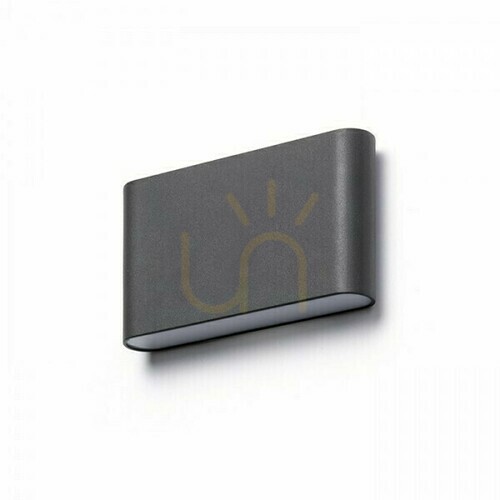
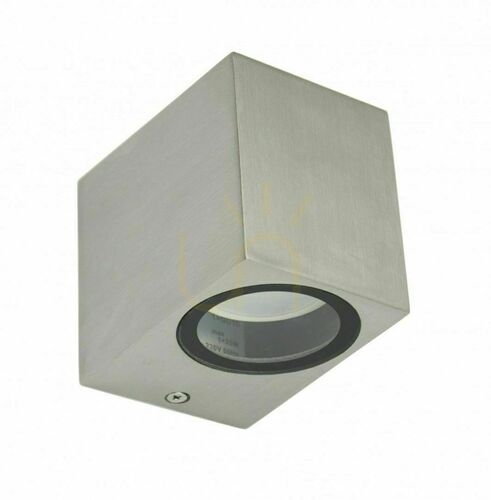
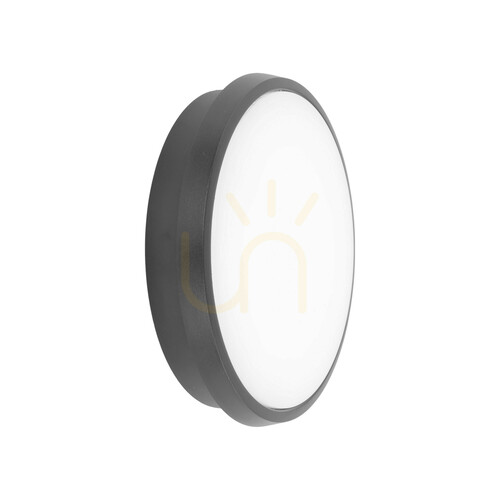
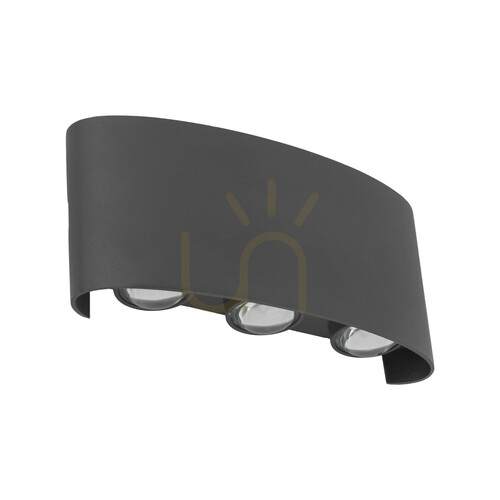
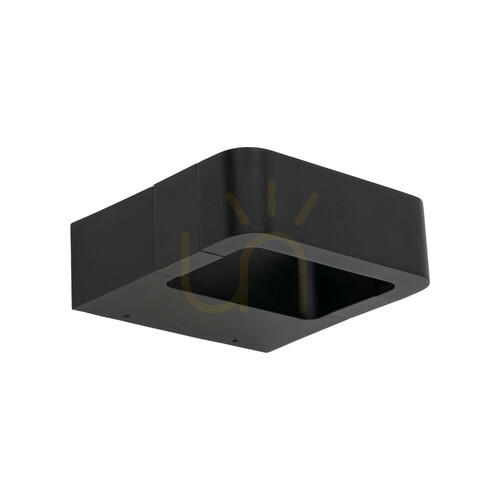
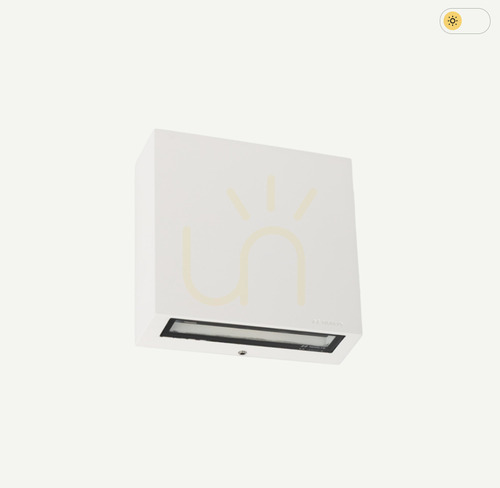
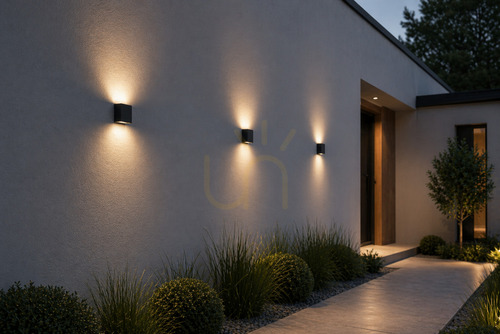
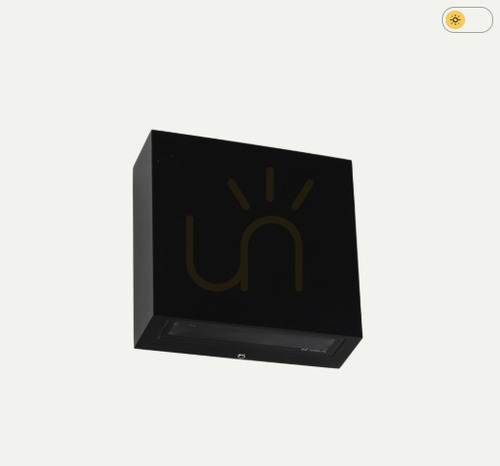
Fence lighting is the only outdoor lighting most people see from the street, and it is mounted lower than anything else on the plot — usually between knee and shoulder height, on a structure that moves. Those two facts, low mounting and a moving substrate, decide almost every choice on this page.
Three completely different mounting jobs
| Position |
Fitting type |
What it has to cope with |
| On top of a post |
Post cap light (sized to the post: 70, 90 or 100 mm square is typical) |
Full sky exposure, standing water on the cap |
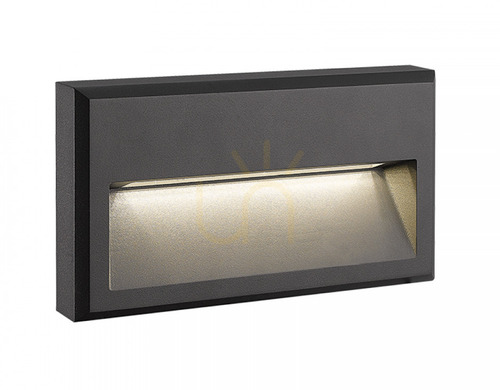
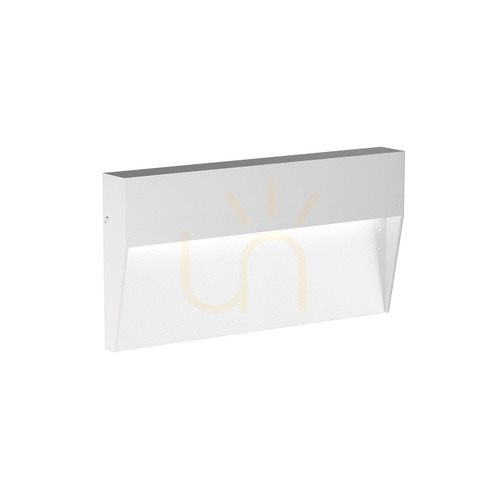
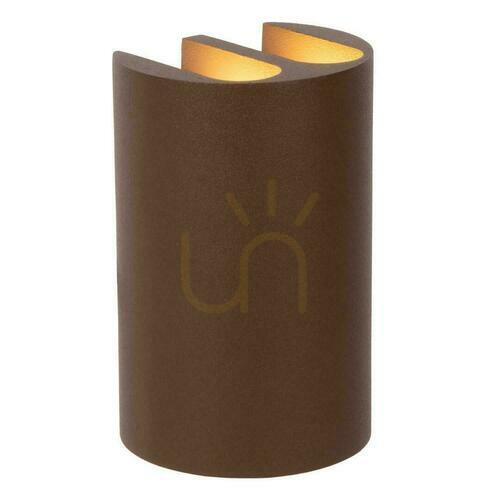
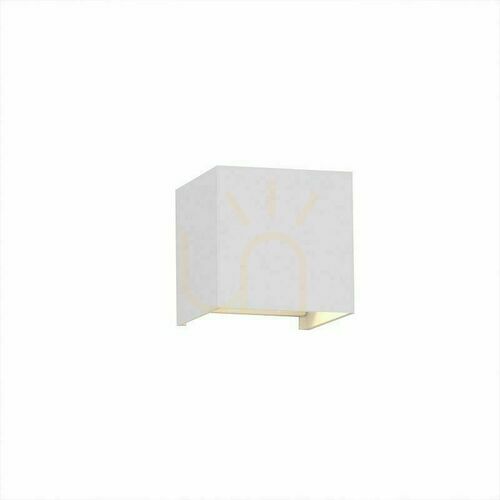
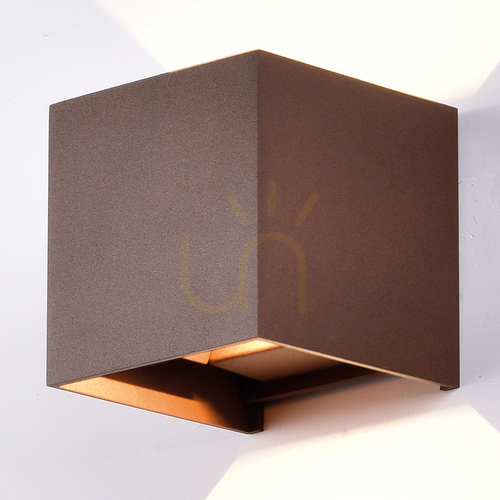
| On the face of a panel or board |
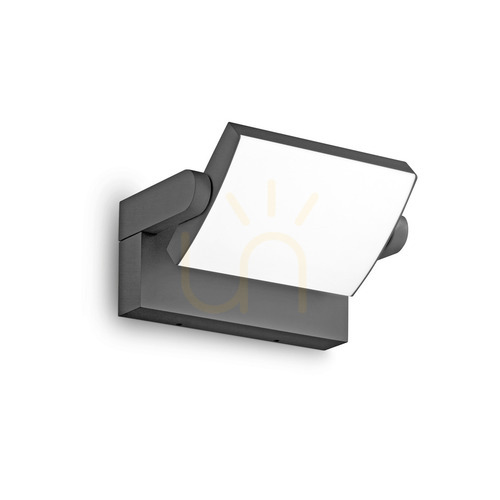
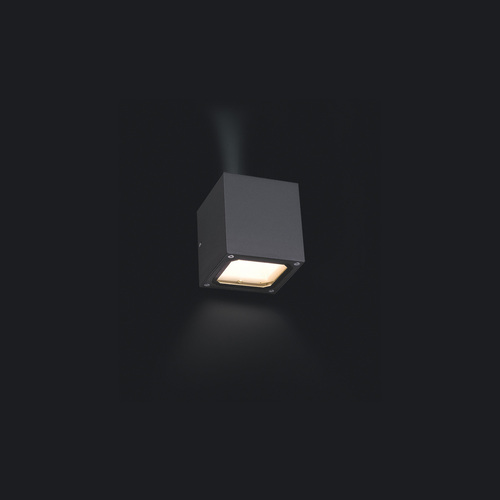
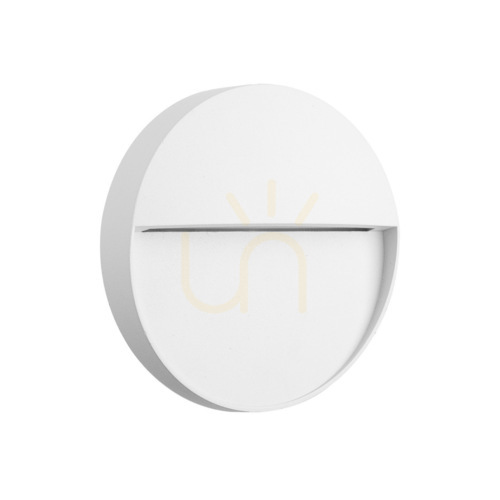
Slim wall light, downward or up-and-down |
Timber that swells, shrinks and twists with the seasons |
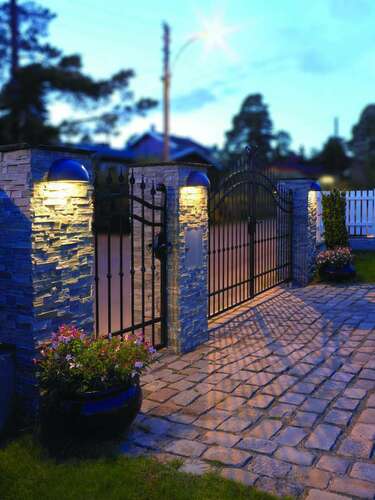
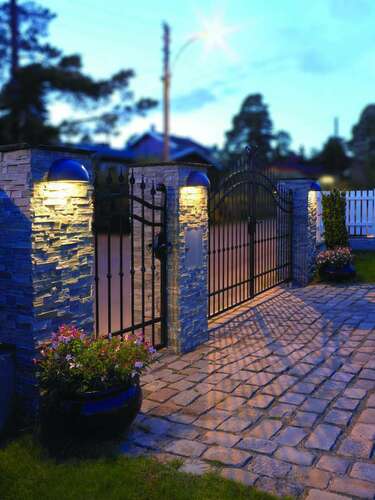
| On the side of a masonry pillar |
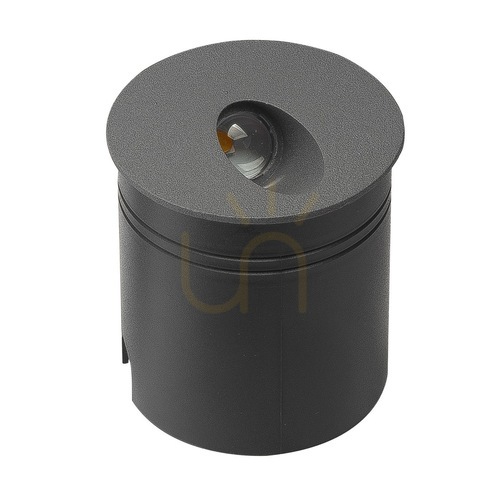
Wall lantern or bollard-style fitting |
Rain running down the pillar face, cable chased in |
Post caps and panel-face fittings are not interchangeable. A cap has to match the post section, so measure the post before ordering rather than after; a fitting made for a 90 mm post will not sit square on a 70 mm one, and the gap is where water gets in.
Fixing into timber that will not stay still
A close-board fence moves several millimetres across a year. Screwing a rigid backplate hard onto two boards ties them together, and the next dry spell pulls the fixing out or splits the board. Fix into the post or into a rail wherever you can, use stainless screws rather than the plated ones in the box, and leave the fixing firm rather than crushed. On a composite or metal fence, drill and use the manufacturer's spacer so the backplate is not clamped onto a flexing panel.
How much ingress protection you actually need
This is where fence lighting differs from a house wall. There is no eave, no overhang and no shelter of any kind, so nothing on a fence qualifies as a protected position. IP44 is only adequate under the lip of a cap where the electrical compartment is genuinely shielded. Anything exposed on a panel face or a post top should be IP65, and a fitting that will sit in a border where a sprinkler reaches it, or where snow banks up against the fence, is better at IP65 with a gasketed lens and a drainage weep than at IP44 with a decorative shade.
12 V or 24 V, not 230 V
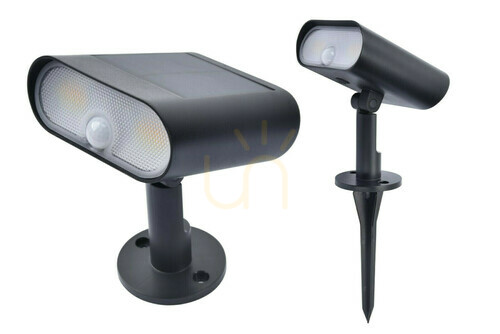
A fence sits on a boundary, gets hit by garden tools, and is the first thing a hedge trimmer meets. Running mains along it is a poor idea and in many cases will fail an inspection. Extra-low-voltage systems solve it properly: the transformer lives in a protected position, the cable can be clipped along the back of the rail or run inside a hollow post, and a cut cable is an inconvenience rather than a hazard. Solar is the other realistic option for a fence, with one honest caveat — a north-facing or hedge-shaded run will disappoint from October onwards.
Aim it down, and think about who is on the other side
Because the fitting sits at eye level, a fence light that throws sideways puts glare straight into the face of anyone on the pavement and into the neighbour's ground-floor windows. Downward-only optics, a recessed lens, or a louvre behind the aperture fix that in one step. Warm white between 2200 K and 2700 K is the right choice here: it flatters timber and stone, keeps the boundary looking like a home rather than a compound, and attracts far fewer insects than cooler light. If the run exists mainly for security, put the low-level fence lights on all evening and let a separate sensor floodlight do the sudden bright work — mixing the two jobs into one fitting gives you a boundary that flashes on every time a cat walks past.
Corrosion on a boundary
Fences take spray from the road, and in coastal towns they take salt air first. Powder-coated aluminium is the safest general choice; 316 stainless earns its price within sight of the sea, while 304 will pit and streak. Avoid a bare steel fitting bolted to an aluminium post or vice versa unless there is a nylon washer between them, because that contact corrodes from the inside out.
Questions people ask
How far apart should fence post lights be?
Follow the fence, not a formula — one per post on a short run, every second or third post on a long one. Even rhythm matters more than distance.
Will fence lights annoy my neighbours?
Only if they throw light sideways or upward. A downward-shielded fitting at low level is one of the least intrusive things you can install outdoors.
Can I fit them myself?
A 12 V or solar set, yes. Anything mains-fed on a boundary should be designed and connected by a qualified electrician.
For fittings mounted on the house itself rather than the boundary, browse the full outdoor lighting range.