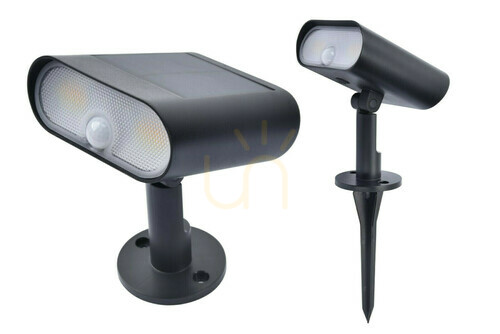
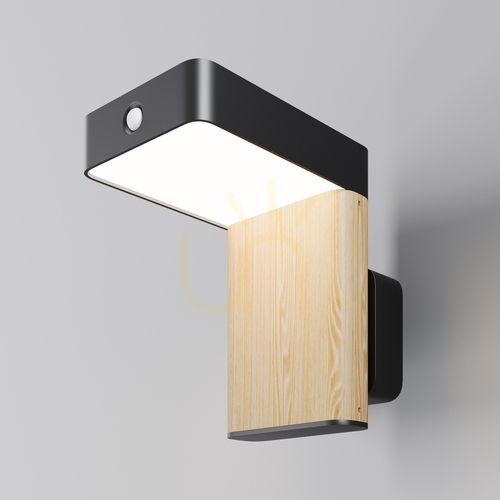
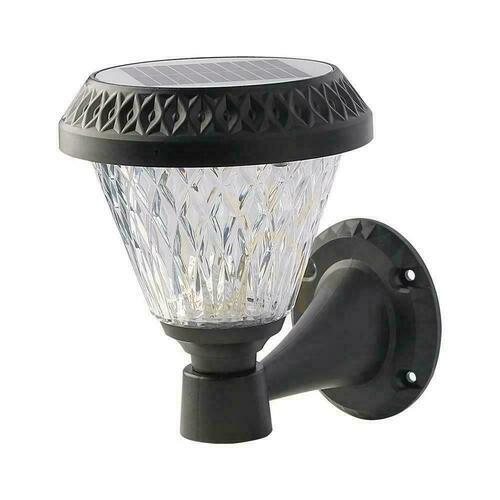
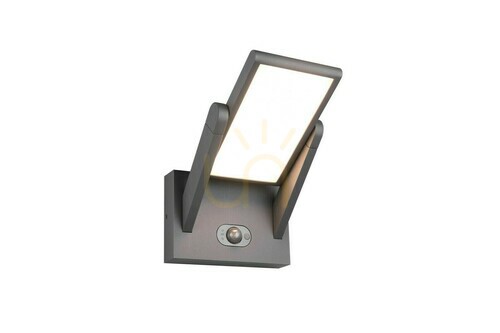
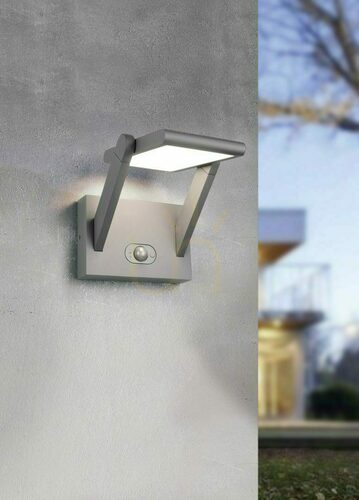
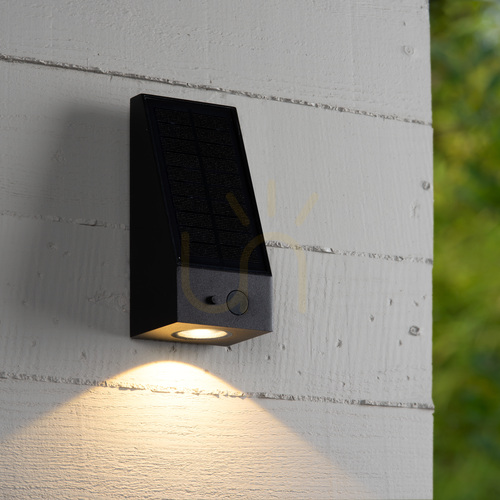
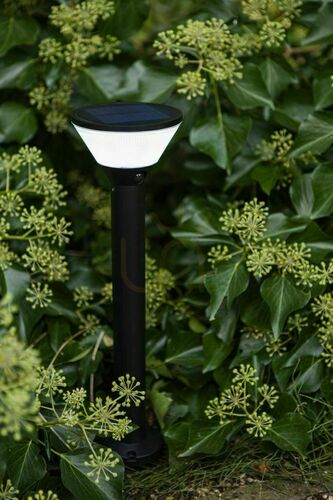
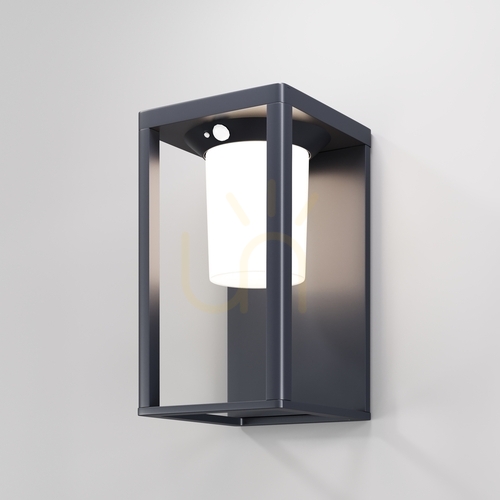
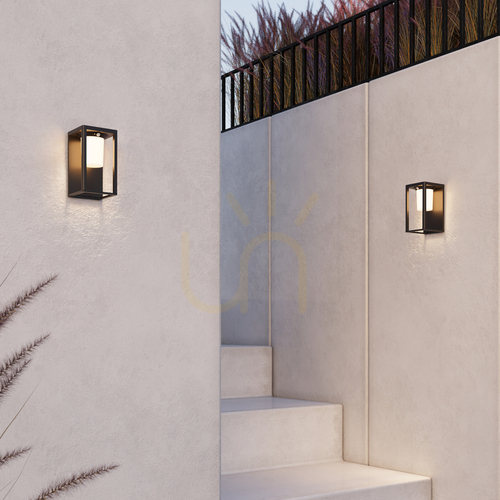
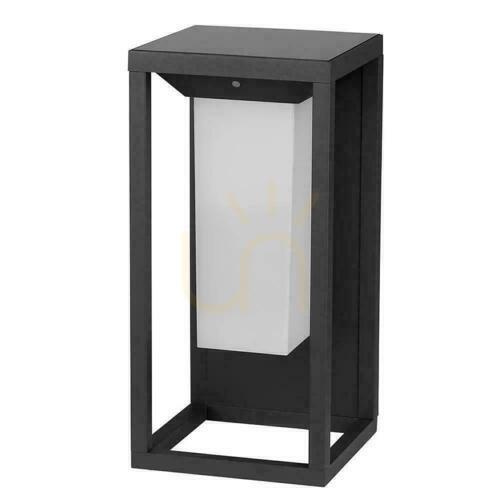
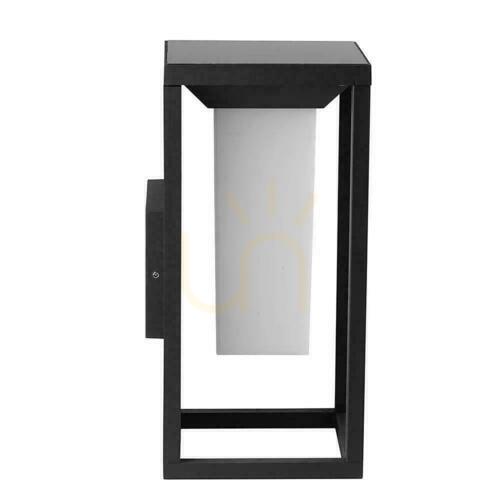
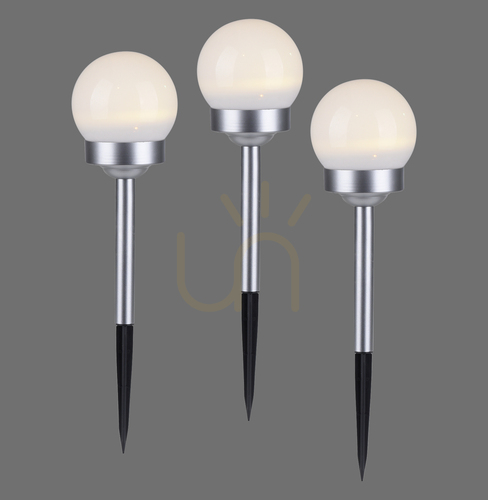
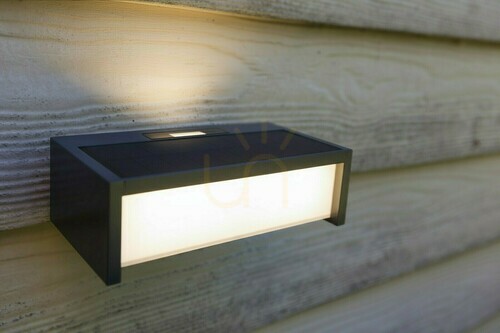
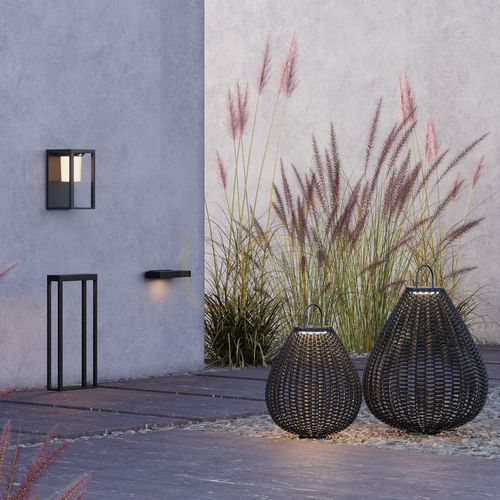
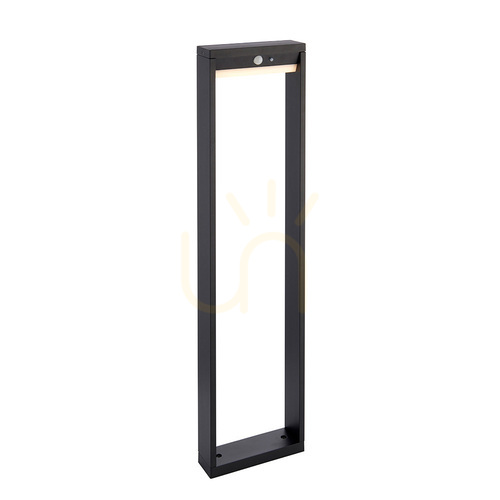
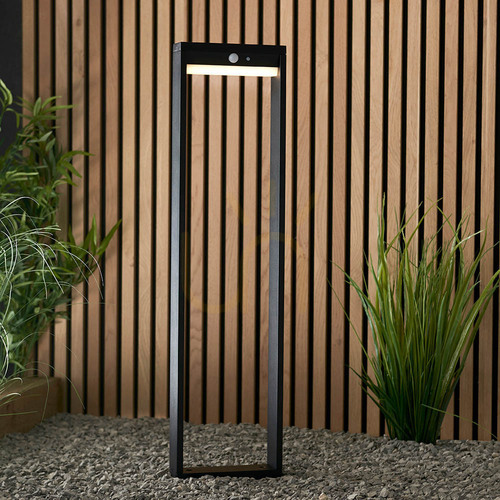
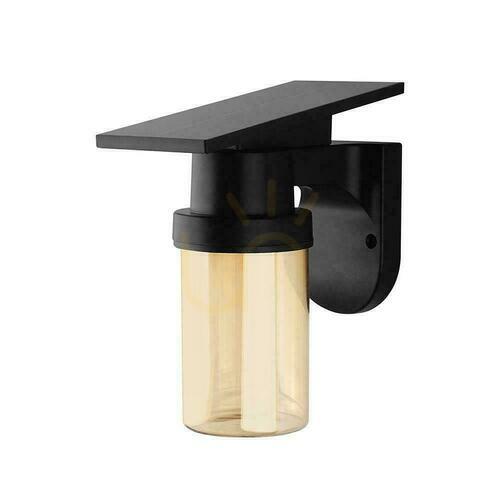
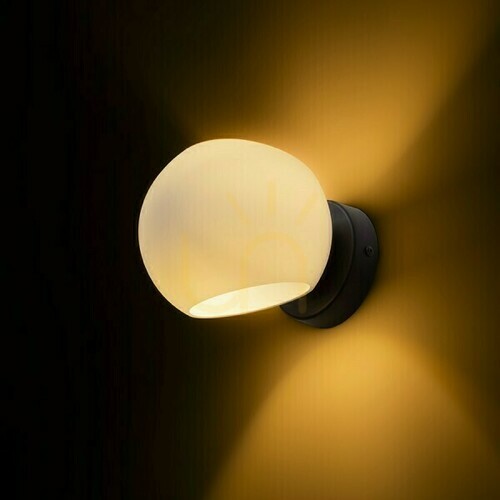
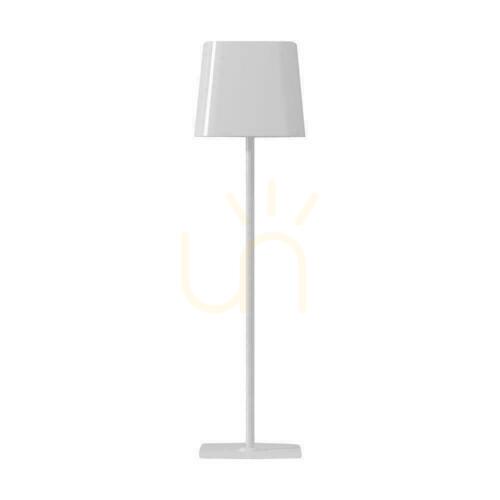
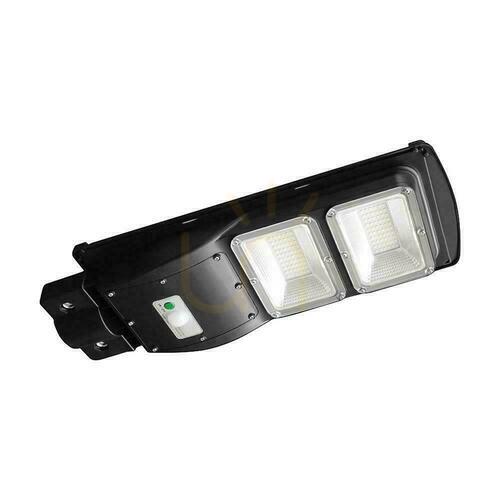
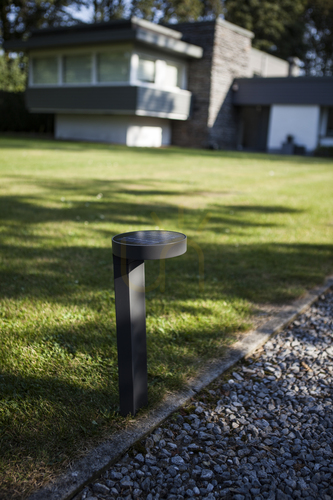
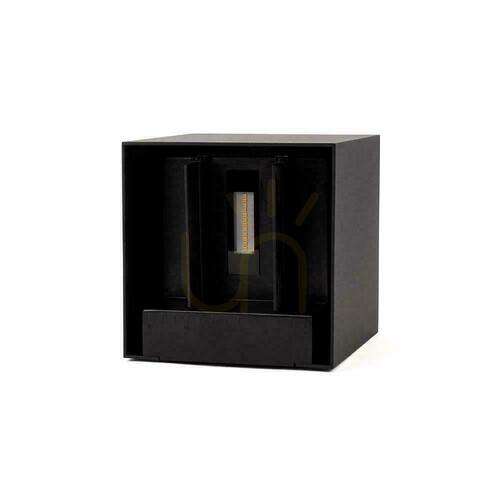
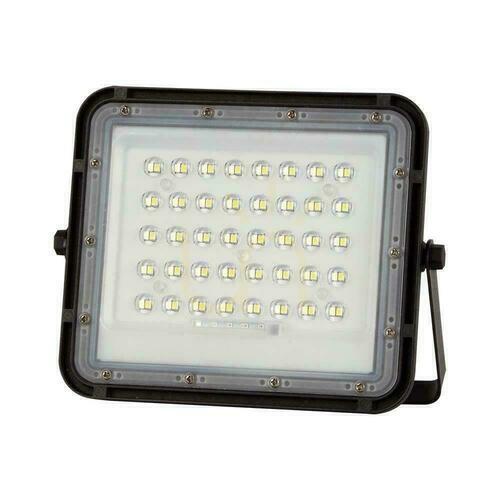
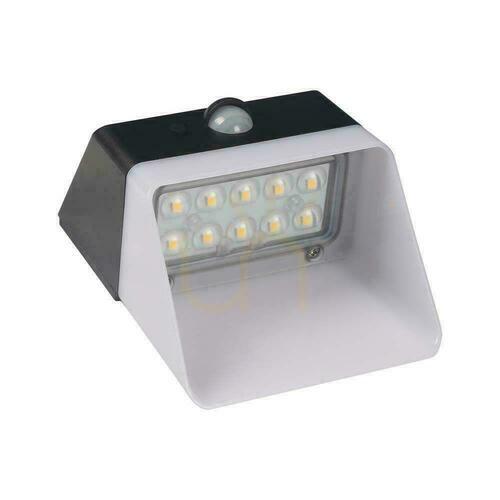
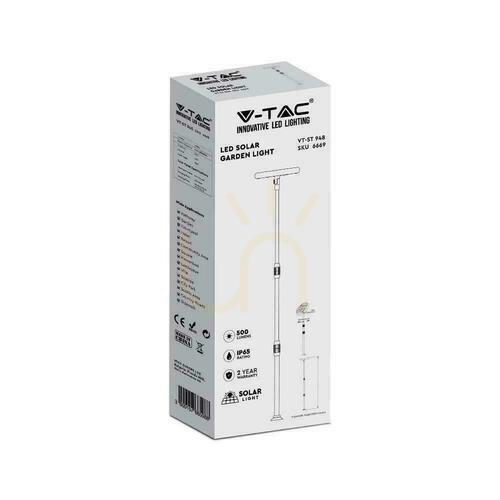
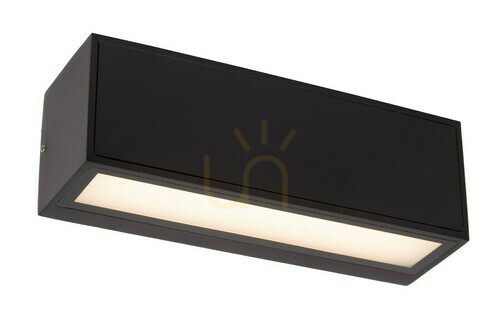
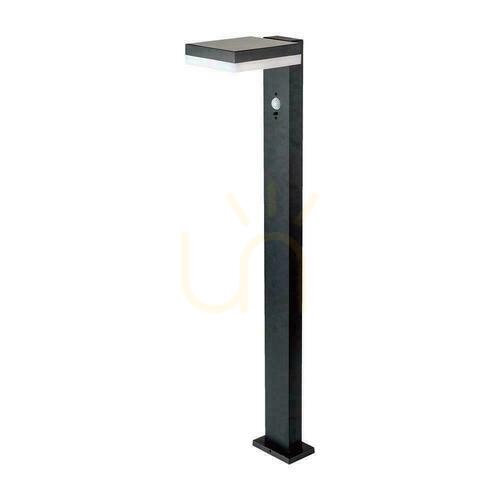
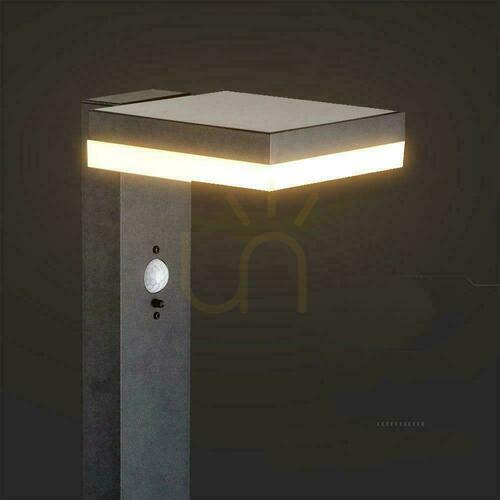
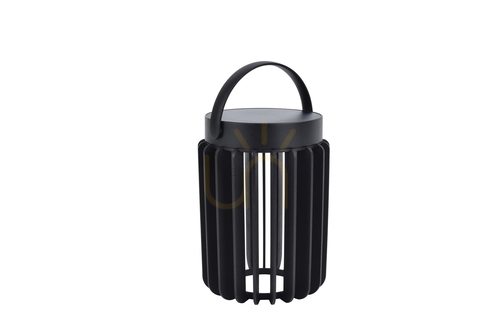
Contemporary solar lights are garden lights with clean, geometric shapes – slim bollards, cubes, globes, flat wall lights – that charge from a built-in panel during the day and switch themselves on at dusk. What sets them apart from Victorian-style lanterns or flickering candle effects is restraint: a dark or brushed-metal finish, a panel tucked into the lid, and light that draws a line along a path rather than imitating a flame.
That restraint has a technical cost. A neat, flush panel is often smaller than the one on a basic stake light, and in a British winter every square centimetre counts. So with a modern design, it pays to look past the shape to what is inside.
What makes a solar light look contemporary
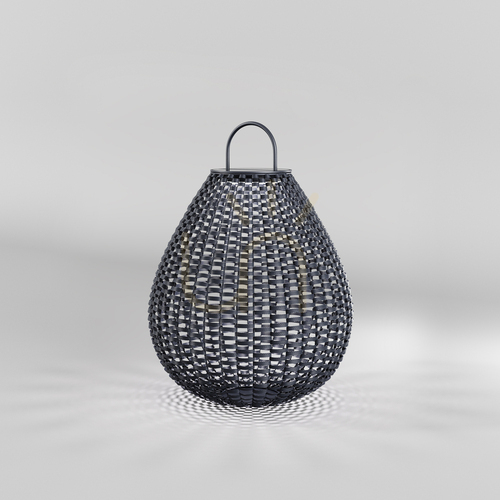
Mostly it comes down to form and finish. Expect simple shapes that repeat well in a row, anthracite or matt black housings that disappear after dark, brushed stainless steel or powder-coated aluminium, and opal glass or polyethylene diffusers that soften the LED into an even glow. Some designs direct light downwards onto paving or gravel, others use cut-out patterns to throw a graphic shadow. Separate panels on a cable are common too, which lets a sleek fitting sit in a shady corner while the panel catches the sun elsewhere.
Cheap or well made: what to check
Cheap solar lights can look surprisingly sharp in the photos. The differences show up after one wet winter. These are the points worth comparing before you buy:
| Feature |
Budget design |
Better-built design |
| Housing |
thin plastic, may yellow in UV |
aluminium, stainless steel or glass |
| Panel |
small polycrystalline |
monocrystalline, sized to the light output |
| Battery |
NiMH, typically 1–2 years |
lithium-ion 3–5 years or LiFePO4, ideally replaceable |
| Weather protection |
IP44, fine under a canopy |
IP65 for open ground and driving rain |
| Light colour |
often cool or bluish white |
warm white, roughly 2700–3000 K |
| Winter run time |
can fade within an hour |
usually 3–5 hours after a short sunny day |
Brightness should match the job, not the box. Around 10–40 lm is plenty for a decorative globe in a border, 50–100 lm marks a path, steps need about 80 lm, and a driveway or front door calls for 100–200 lm. The brighter the light, the larger the panel it needs to keep going all evening.
Getting the most from a British garden
Daylight is the limiting factor here. In midwinter you may get as little as seven hours of weak light, with the sun sitting low in the south. Place panels where they face south, clear of hedges, fences and the shadow of the house, and if a panel can be tilted, angle it towards the low winter sun. In summer, a full charge after six to eight hours of direct sun typically gives 8–12 hours of light.
For layout, contemporary schemes work best with fewer, more deliberate lights:
- bollards 30–60 cm tall along a path, every 1.5–2.5 m and staggered either side;
- flat wall lights by patio doors and above steps, washing light downwards;
- a pair of glowing cubes or globes beside a seating area on the decking;
- small spike spotlights uplighting ornamental grasses or a clipped shrub.
Keep one colour temperature throughout. With minimalist shapes, a single cool-white fitting in a warm-white row stands out immediately.
Care through the seasons
A film of pollen, bird droppings or autumn leaves on the panel can halve its charge, so wipe it with a damp cloth every few weeks and clear snow off after a fall. Rinse brushed stainless steel now and then, especially in coastal gardens where salt air leaves surface marks. If a light is plastic or the instructions advise it, charge it fully, switch it off and store it somewhere dry and frost-free over the coldest months. Metal fittings rated IP65 can usually stay out all year.
Frequently asked questions
Are cheap solar lights any good?
For a single season of decoration, sometimes. For year-round use, cheap units tend to let water in, lose battery capacity fast and fade in winter. A sturdy housing, a decent panel and a replaceable lithium battery make the bigger difference over time.
What are common problems with solar lights?
Dim light usually means a dirty or shaded panel. Short run times point to an ageing battery. If a new light will not come on at all, check the small on/off tab, often hidden underneath, and make sure nothing covers the panel. Moisture inside the housing is a sign of a poor seal.
Do solar lights work in winter in the UK?
Yes, but for shorter spells. After a bright winter day expect a few hours rather than all night, and less after a run of grey days. LiFePO4 batteries cope better with the cold.
Are solar garden lights waterproof?
They are weather resistant to a stated IP rating. IP44 handles splashes, IP65 copes with heavy rain and hose spray, and lights set into the ground need IP67.
What is the best garden solar light for a modern garden?
One that suits the spot: low bollards for paths, wall lights for steps, globes or cubes for accent. Look for a metal or glass body, warm white light and a panel large enough for the brightness you want.
Can I replace the battery in a solar light?
Often, yes. Use the same chemistry, voltage and size as the original, never single-use batteries. A good metal fitting can outlast several batteries.
For how solar lights work and how to choose them whatever the style, see outdoor solar lights. If you would rather the light came on only when someone walks past, read about solar motion sensor lights.