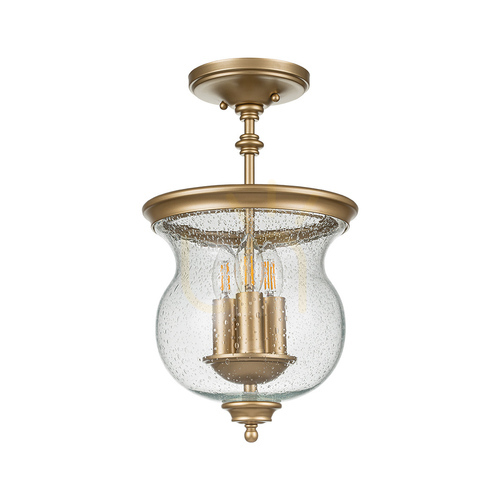
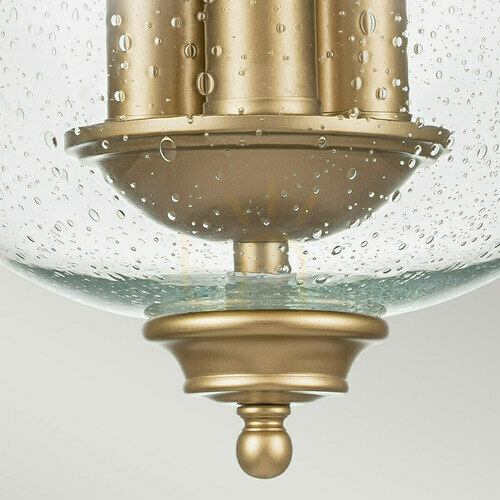
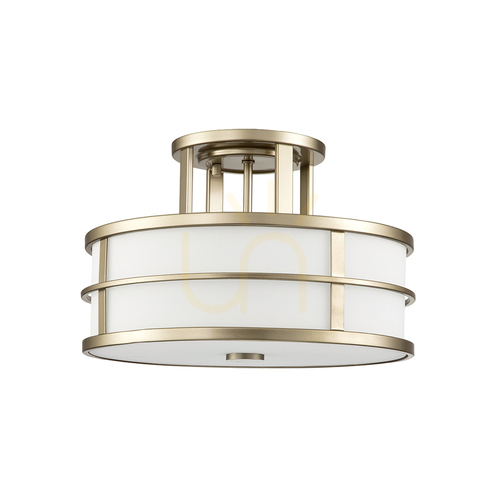
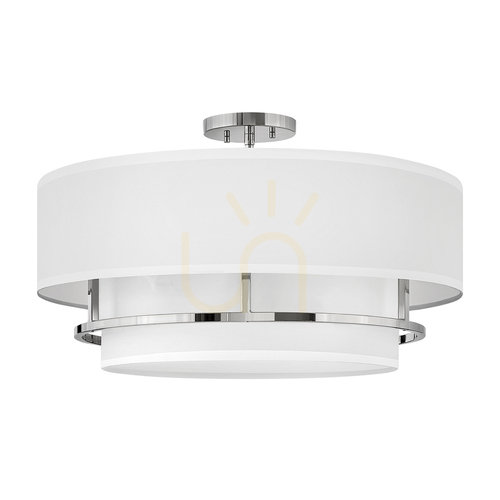
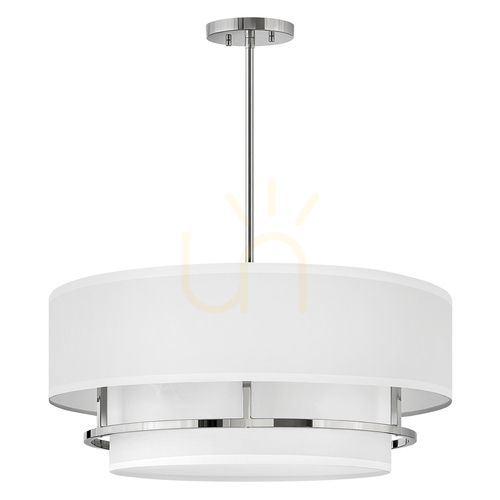
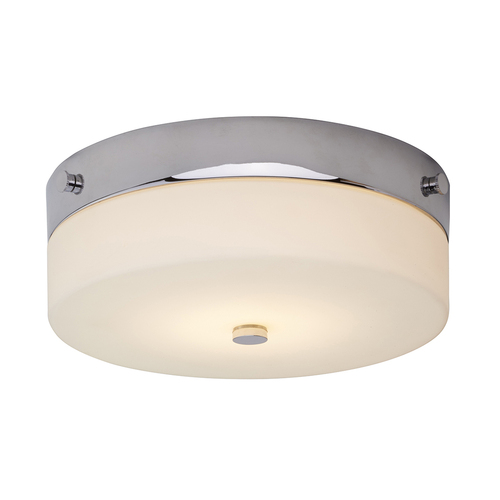
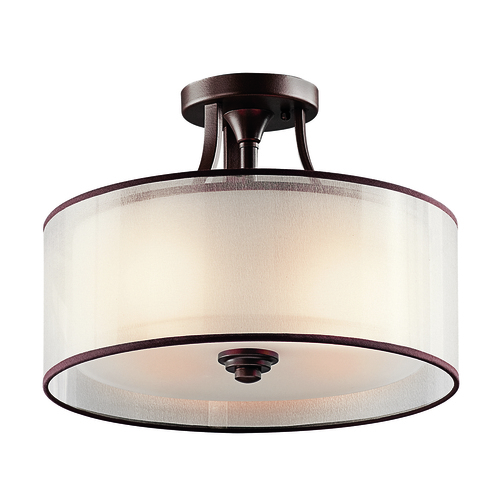
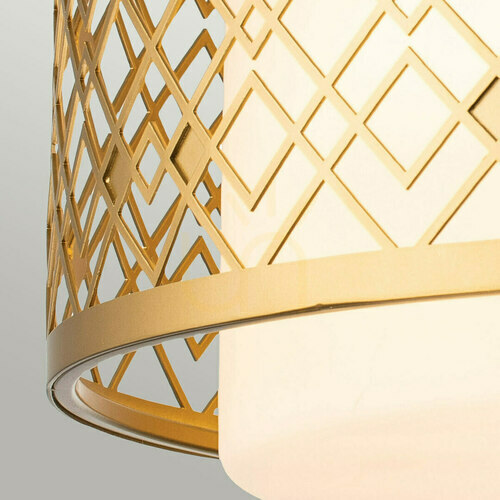
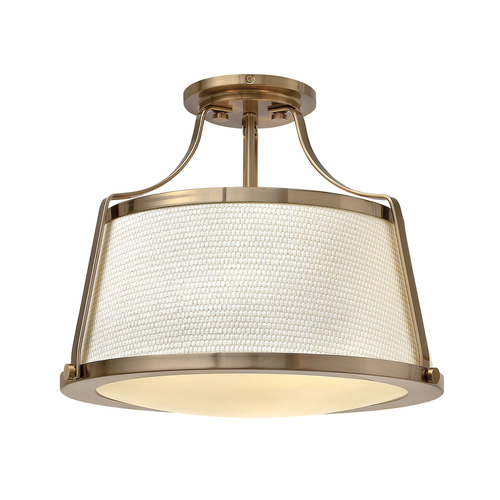
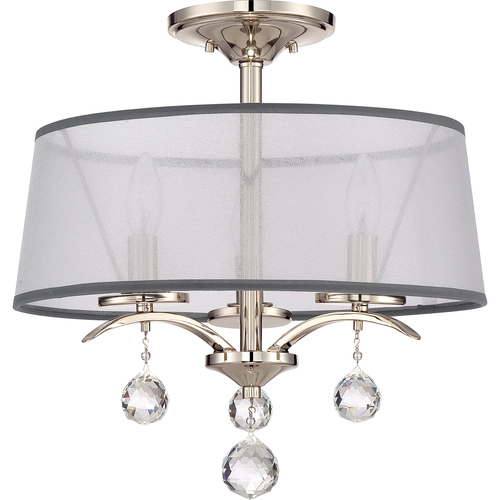
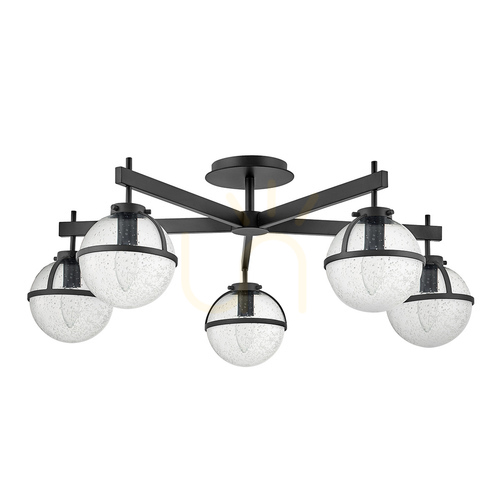
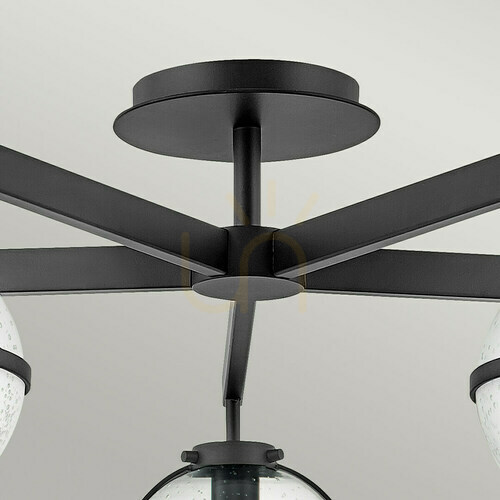
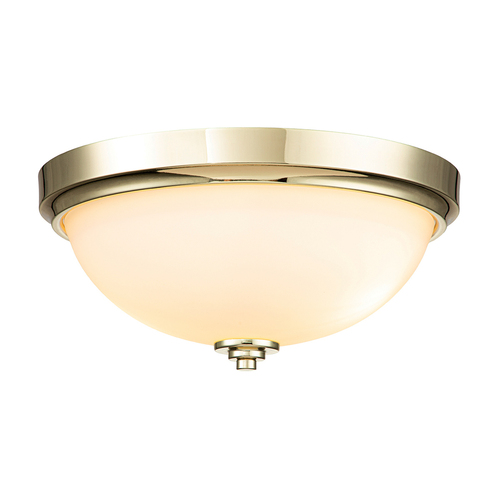
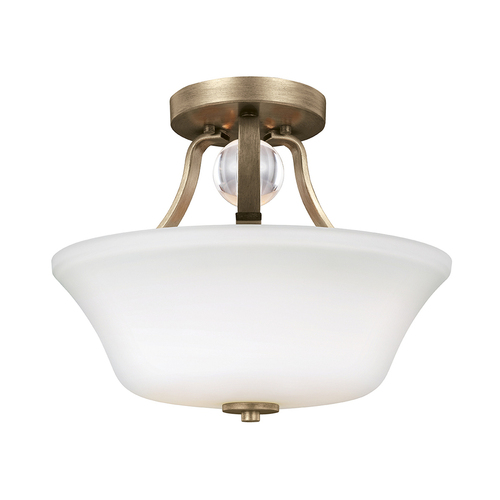
A flush light with a standard ceiling light bulb fitting takes an ordinary, replaceable bulb rather than a built-in LED panel. When the bulb dies, or you simply fancy warmer light, you change the bulb and keep the fitting; with an integrated LED fitting the light source and the fitting age together.
That one detail decides a lot: how bright the room can get, which colour of white you live with, whether you can dim it, and what happens in ten years when something wears out.
Why choose a flush light that takes bulbs
Integrated LED flush lights can be wafer-thin and very efficient, but the light output, colour temperature and colour rendering are fixed at the factory. If the LED board or its driver fails, you are usually looking for a spare part that may no longer exist, or for a new fitting. A flush light with lampholders is deeper, because a bulb needs room under the shade, but it stays flexible:
- swap 2700 K for 4000 K when a spare room becomes a home office;
- add a dimmable or smart bulb without rewiring;
- go brighter or softer by changing bulbs, not lights;
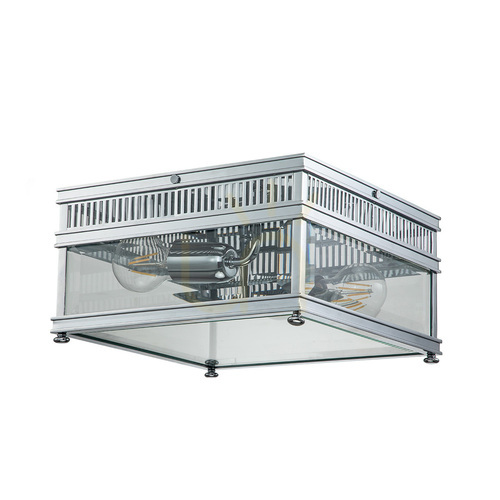
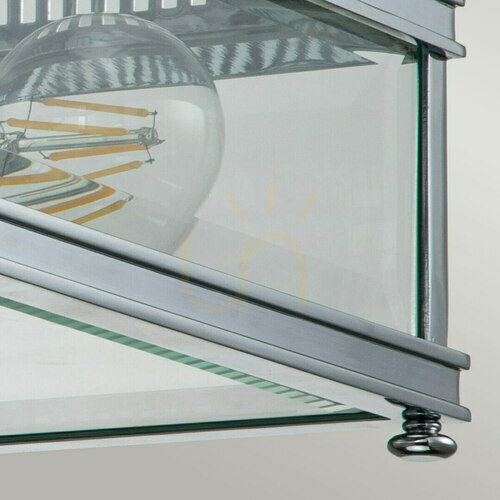
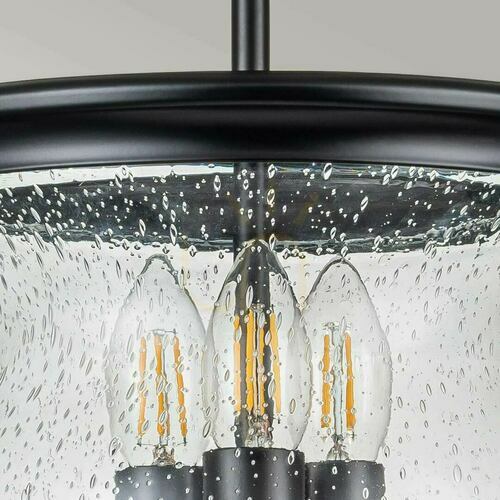
- use decorative filament or globe bulbs where the shade is clear glass.
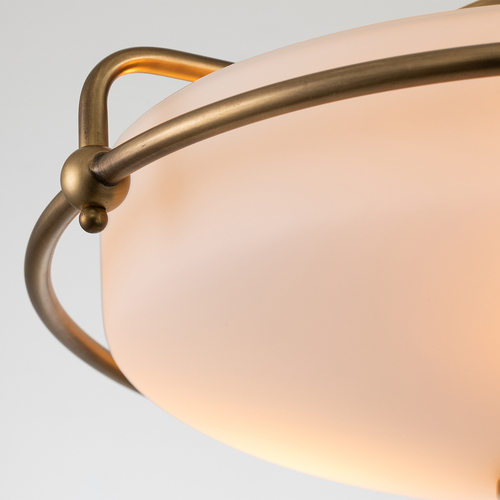
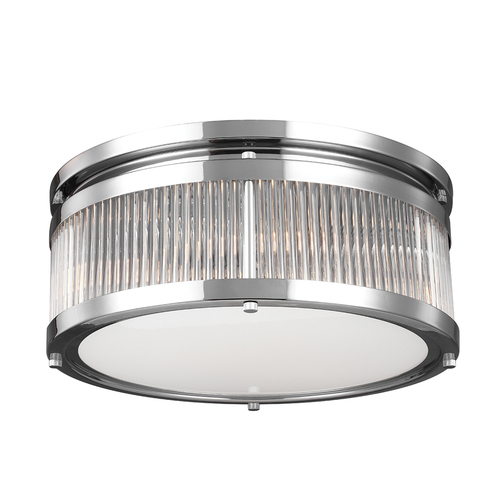
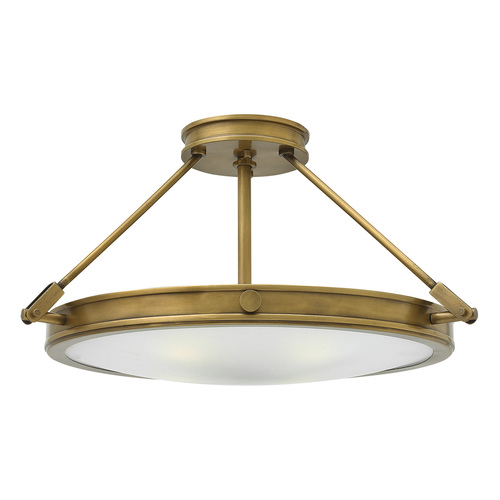
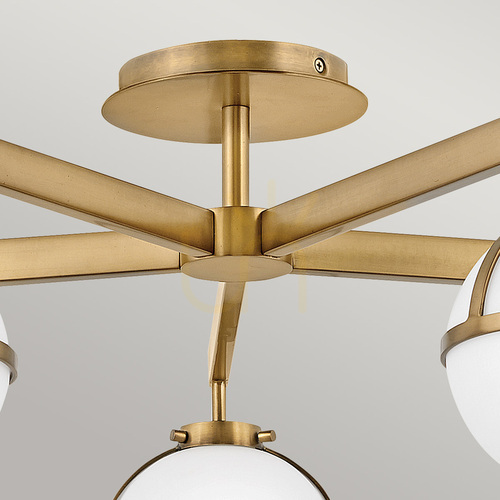
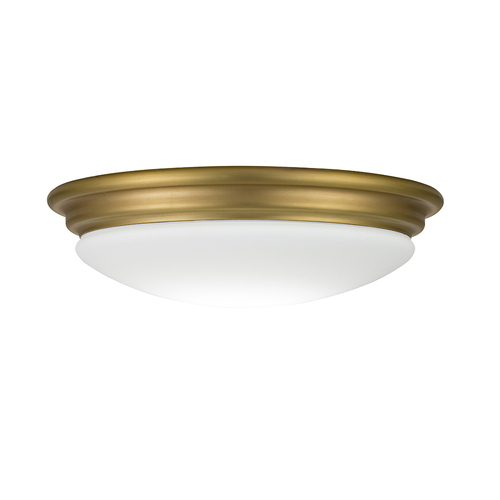
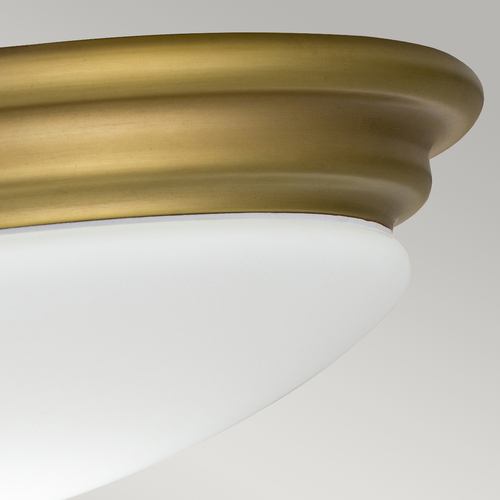
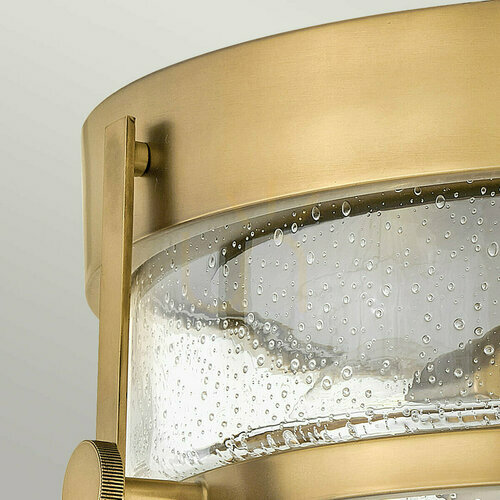
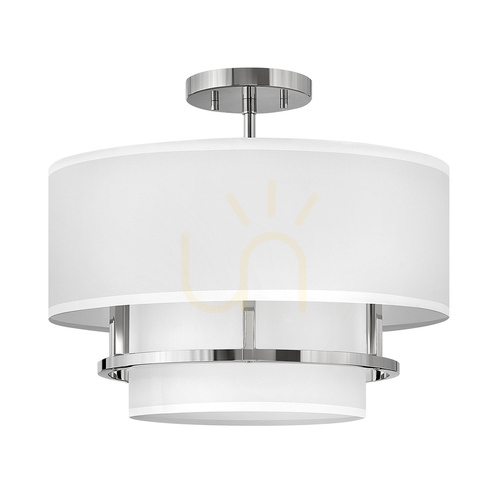
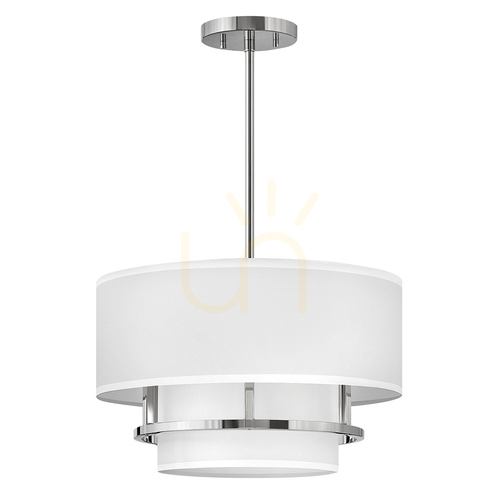
Classic shapes, such as opal glass domes, frosted globes, fabric drums and period-style glass flush lights, are almost always made this way.
Bayonet, screw or pins: check the cap first
In the UK the bayonet cap is still everywhere, so the first thing to read on any flush light is the lampholder type. A B22 bulb will not go into an E27 holder, and the other way round, so the cap must match. Here is how the common caps compare:
| Cap |
How it fixes |
Typical bulbs |
Where it turns up |
| B22 (BC, bayonet) |
push and twist, two pins |
GLS, globe |
traditional UK fittings and pendants |
| E27 (ES, Edison screw) |
screws in |
GLS (A60), globe, filament |
most European-made flush lights |
| E14 (SES, small screw) |
screws in |
candle, mini globe |
decorative and multi-arm designs |
| B15 (SBC) |
small bayonet |
candle, pygmy |
older or compact fittings |
| G9 |
two pins, push in |
small capsule |
slim glass flush lights |
| GX53, GU10 |
twist and lock |
flat disc, spot |
very low-profile fittings |
The fitting's label also gives a maximum wattage per lampholder, such as "max. 60 W". That figure is about heat, and it refers to the bulb's actual wattage, not the "equivalent" printed on LED packaging. A 9 W LED sits far below a 60 W limit.
How bright, and which white
Buy by lumens, not watts. As a rough guide, a 40 W old-style bulb gave about 470 lm, 60 W about 800 lm, 75 W about 1050 lm and 100 W about 1520 lm. For general lighting, allow roughly 100 lm per square metre in a hallway or on the landing, 100–150 in a bedroom, 150–200 in a living room and 200–300 in a kitchen or bathroom. With typical UK ceilings of around 2.4 m, a two- or three-bulb flush light usually covers a 12–15 m² room.
Warm white (2700–3000 K) suits living rooms, bedrooms and hallways; 3000–4000 K works better in kitchens and bathrooms. Opal glass soaks up some of the light, so choose a slightly brighter bulb behind it. Clear glass shows the bulb, which is where a softer filament bulb looks right and avoids glare.
Fitting and wiring
A flush light usually replaces a ceiling rose: the backplate is screwed to a joist or a solid ceiling and the cables are connected in the fitting's terminal block. Isolate the lighting circuit at the consumer unit and test that it is dead before touching anything. Post-2004 wiring uses brown for live, blue for neutral and green-and-yellow for earth; older installations use red and black. Metal Class I fittings must be earthed, while double-insulated Class II fittings, marked with a square inside a square, have no earth terminal. Work on fixed wiring must meet BS 7671, so if you are not confident, or the ceiling has a loop-in rose with several cables, call a qualified electrician. In bathrooms, look for at least IP44 near the bath or shower.
Common mistakes and care
-
Bulb too big for the shade. A standard GLS is about 6 cm across and 11 cm long, while a large globe may not fit under a shallow dome. Leave a little air between bulb and glass.
-
Heat in enclosed shades. LEDs run far cooler than incandescents, but trapped heat still shortens their life. Avoid bulbs marked as unsuitable for enclosed fittings.
-
Flicker on a dimmer. Pair dimmable LED bulbs with an LED-compatible dimmer switch.
-
Dust and insects. Take the shade down now and then; a dirty diffuser can noticeably dull the room.
Frequently asked questions
Is an E27 screw or bayonet?
Screw. E27 is the 27 mm Edison screw (ES). The UK bayonet equivalent is B22, and the two are not interchangeable without an adaptor.
Do flush ceiling lights have bulbs?
Some do and some don't. Integrated LED flush lights have a built-in light source, while flush lights with lampholders need bulbs fitted separately. Check whether bulbs are included before you buy.
What kind of light bulb goes in a ceiling light?
Whatever the lampholder and label allow: match the cap (B22, E27, E14, G9…), stay under the maximum wattage and check the bulb fits under the shade. A frosted LED GLS or globe is the safe all-rounder behind opal glass.
How do you change a bulb in a flush ceiling light?
Switch off and let the bulb cool. The shade is usually held by a twist-lock, a central finial, small screws or spring clips. Support the glass while you release it, swap the bulb and refit the shade.
What is the best LED bulb for a living room ceiling?
Warm white around 2700 K, with a colour rendering index of at least 80, dimmable if you want evening mood lighting, and enough lumens for roughly 150–200 per square metre.
How do you fit a ceiling light with only two wires?
Two wires usually mean live and neutral with no earth, which is safe only with a double-insulated Class II fitting. A metal fitting needs an earth, so ask an electrician to check the circuit.
More on shapes, finishes and sizes beyond the lampholder question: flush ceiling lights. Lighting a long corridor or landing is a topic of its own, covered under hallway flush ceiling lights.