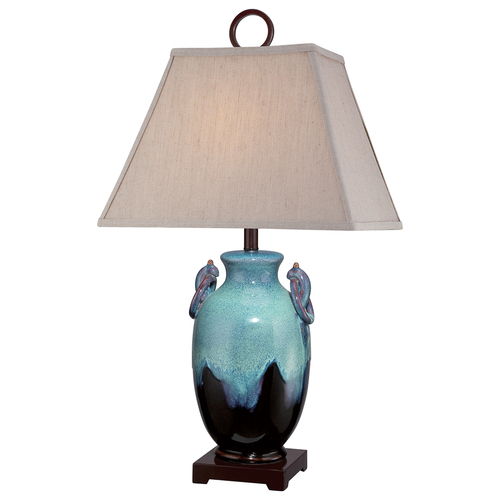
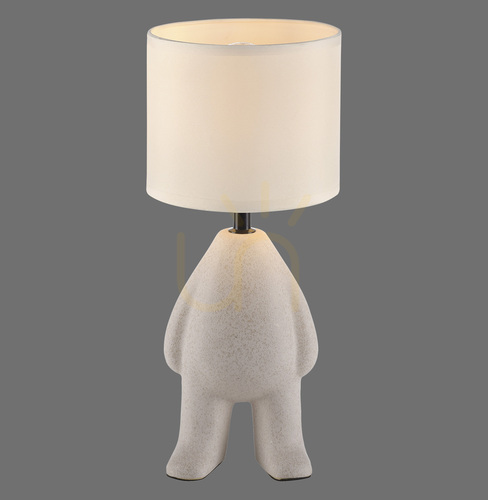
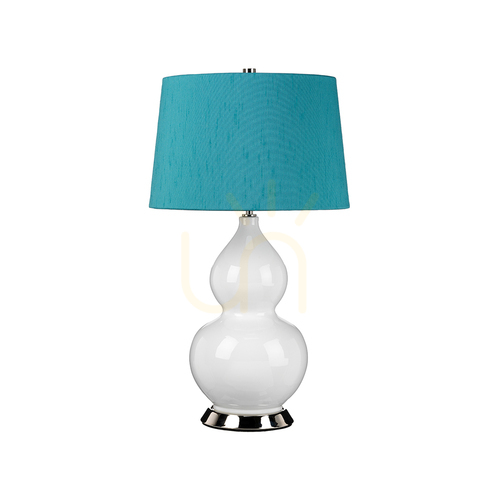
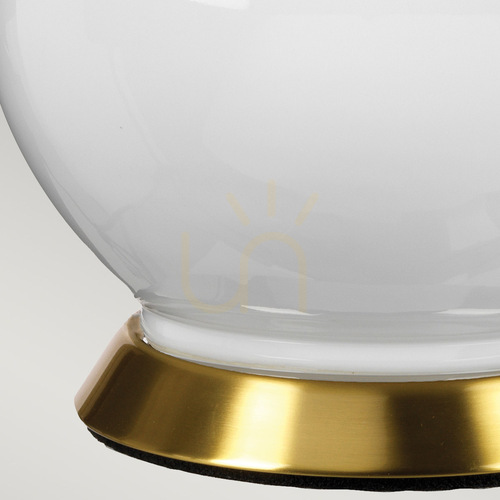
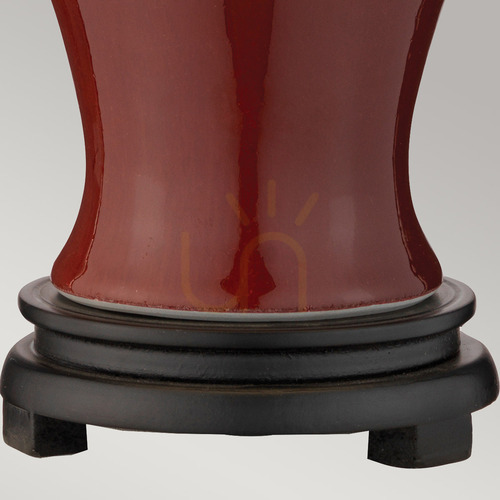
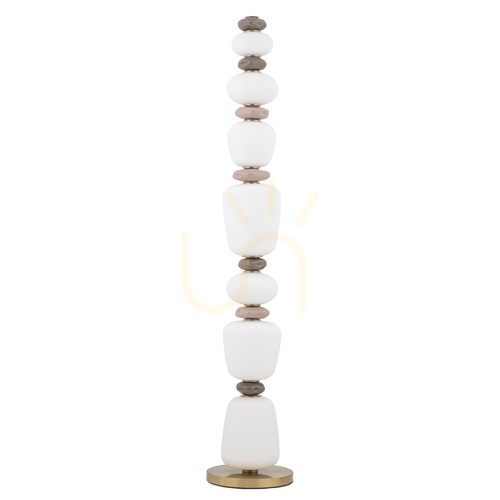
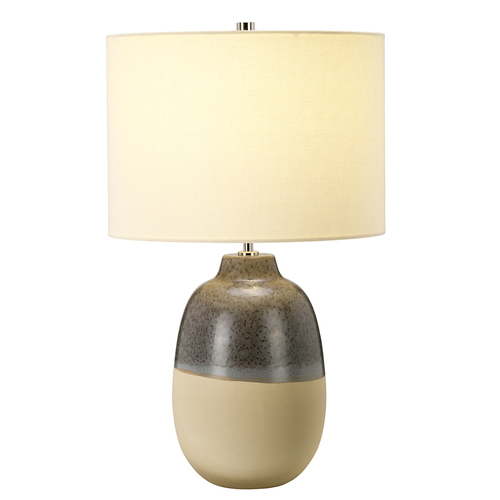
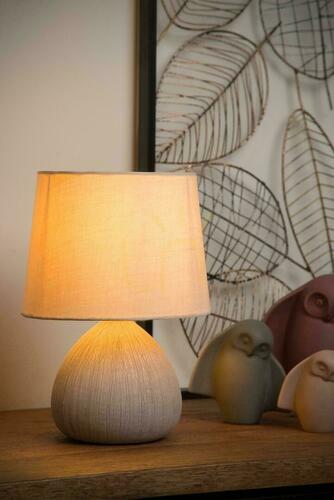
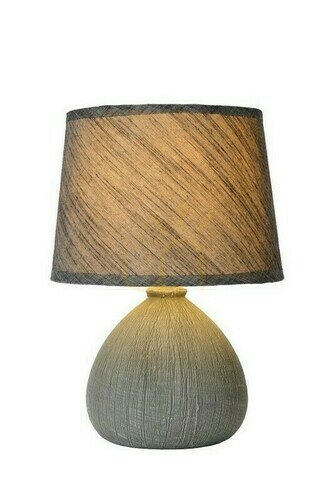
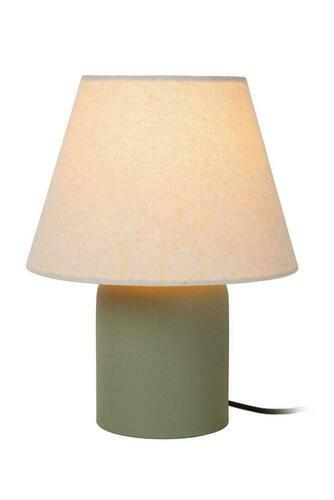
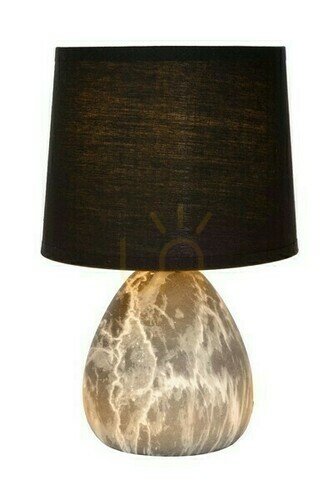
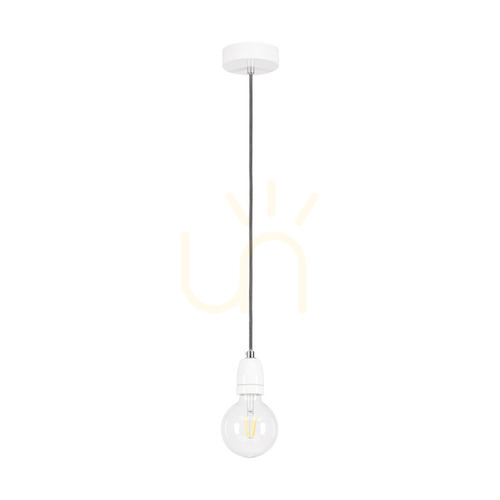
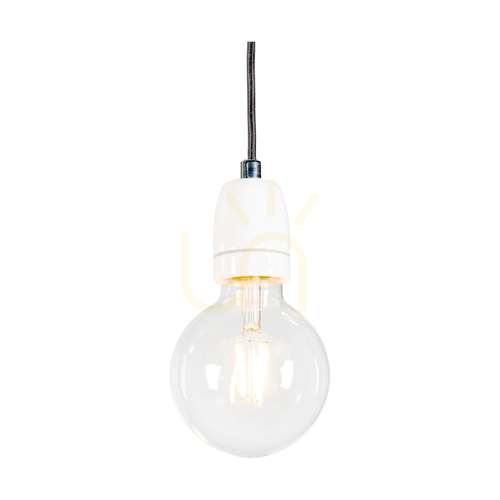
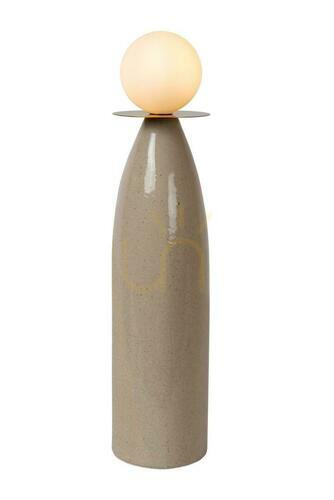
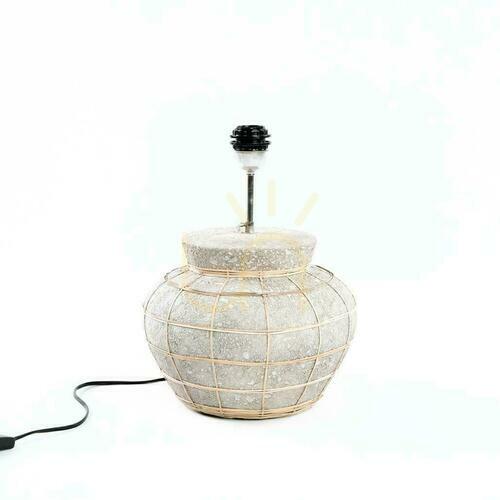
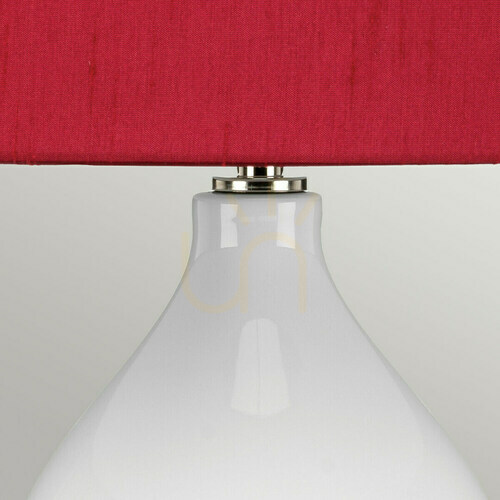
A ceramic lamp is any light whose base, body or shade is made of fired clay – earthenware, stoneware or porcelain, usually finished with a glaze. What the material brings is weight, colour depth and a hand-made surface; what it asks of you is a little care with proportions, bulbs and where you put it.
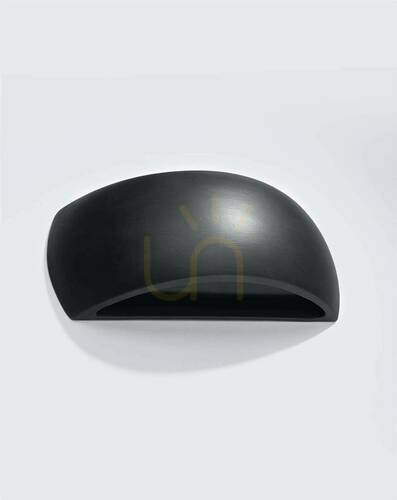
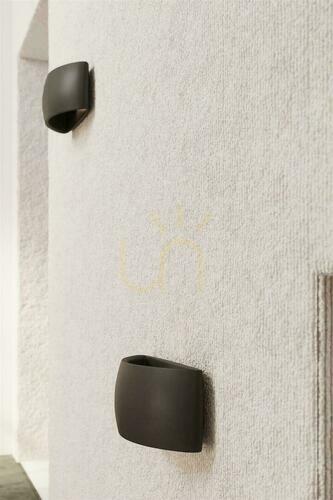
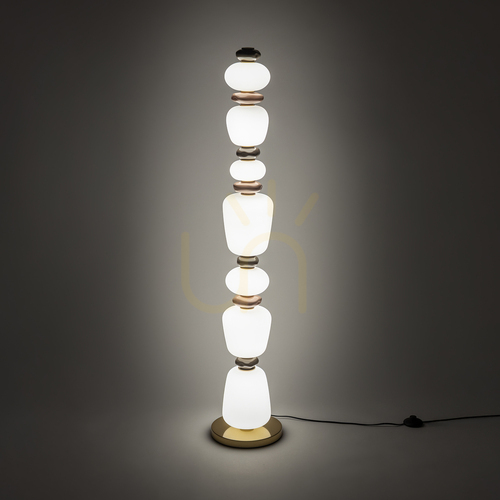
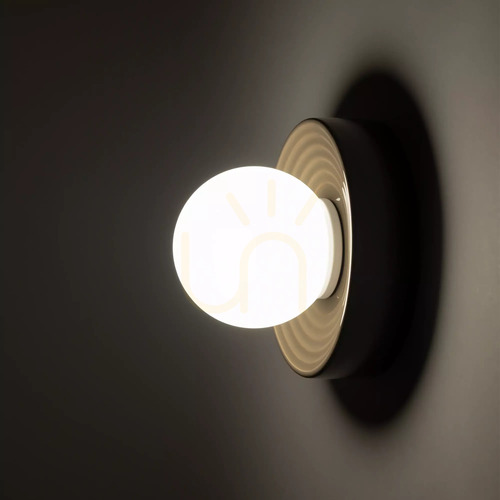
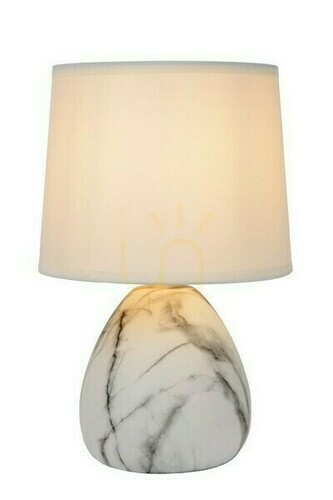
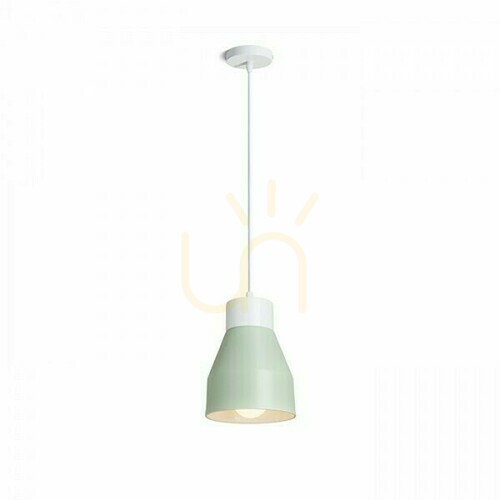
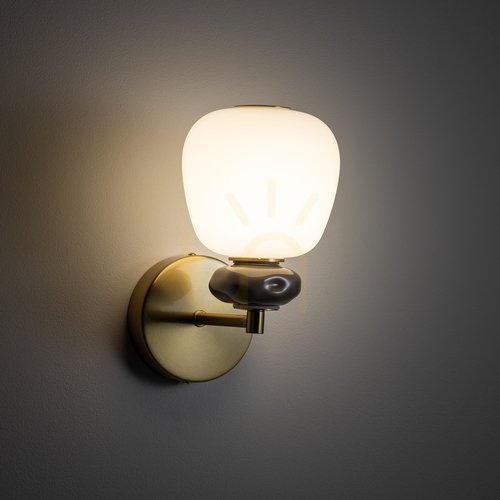
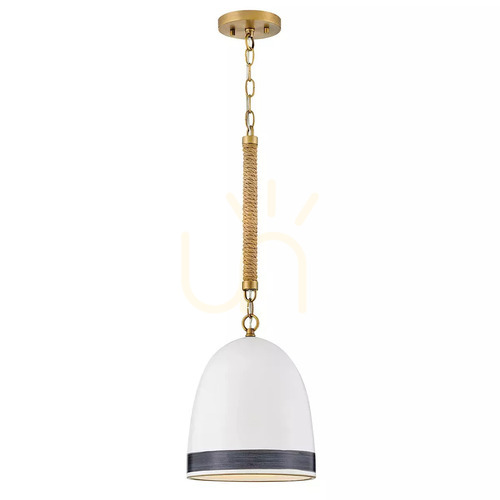
Most people picture a table lamp on a glazed pottery base, and that is the classic form. Ceramic also turns up in bedside lamps, floor lamps with a ceramic foot, wall lights, flush ceiling fittings and pendant shades, so it is worth thinking about how the material behaves in each.
Are ceramic lamps still in style?
They have never really gone away. Ceramic suits almost every look British homes favour: crackle-glazed bases in country and cottage rooms, chunky stoneware in Scandi and japandi schemes, bold gloss colours in maximalist or mid-century interiors. Because glaze doesn't fade or flake, a good ceramic lamp tends to outlast the trend that first drew you to it – change the shade and it reads as a new lamp.
Why choose ceramic over metal or glass?
-
Stability. A heavy base keeps a wide shade steady, which lightweight metal stems often can't.
-
Heat tolerance. Fired clay copes with warmth and doesn't conduct electricity – the same reason lamp holders are often made of ceramic.
-
Light. Earthenware and stoneware are opaque, so the light leaves through the shade, top and bottom. Thin porcelain glows softly when lit.
-
Easy upkeep. A glazed surface is sealed, so dust and kitchen grease wipe off.
The trade-off is fragility. Knock a ceramic lamp off a table and it will probably crack, and a crack never disappears completely. If it runs anywhere near the cable or lamp holder, retire the lamp or have it checked before using it again.
Glazes and finishes at a glance
| Finish |
What it looks like |
Living with it |
Works well in |
| Gloss glaze |
deep colour, catches the light |
shows fingerprints, easy to wipe |
maximalist, glam, mid-century rooms |
| Matt glaze |
calm, velvety surface |
hides dust and smudges best |
Scandi, minimalist, contemporary |
| Crackle glaze |
fine web of hairline crazing, often aged white or cream |
keep moisture to a minimum when cleaning |
country, cottage, traditional |
| Reactive glaze |
pooled, shifting colour; no two alike |
small variations are part of the look |
japandi, boho, rustic |
| Unglazed stoneware or bisque |
raw, chalky or speckled texture |
absorbs oil and water, so wipe spills at once |
natural, wabi-sabi schemes |
Getting size and proportion right
A simple rule keeps a ceramic table lamp looking balanced: the shade's diameter roughly matches the height of the base, and the shade's depth is about two-thirds of it. The lower edge of the shade should hide the bulb and holder from where you sit.
In practice, a bedside lamp works when the bottom of the shade sits around eye level as you sit up in bed, usually 40–50 cm above the mattress. Beside a sofa, an overall height of 55–70 cm feels right. On a console, sideboard or deep windowsill, a smaller 35–45 cm lamp does the job without blocking the view. Large and extra-large ceramic lamps, with bases taking shades of 45 cm and more, make sense on a long sideboard or in a high-ceilinged living room, where a small lamp would look lost.
Buying a ceramic lamp base on its own and adding your own shade is common. With a busy pattern or strong glaze, keep the shade plain; a simple base can carry a textured, pleated or printed shade.
Bulbs, fittings and plugs
Most ceramic lamps made for the European market take an E27 (Edison screw) or, for smaller lamps, an E14 (small Edison screw) bulb, while many UK-made lamps use a B22 bayonet cap – check which one you are buying so your spare bulbs fit. Always respect the maximum wattage on the label. An LED bulb runs far cooler than a halogen, which protects a fabric shade and the holder. For relaxed evening light, 2700 K and 250–450 lm is plenty; to read by it, you'll want at least 400–500 lm and a shade open at the bottom.
Plug-in table and floor lamps sold in the UK should come with a fused plug to BS 1363, and a 3 A fuse is the usual choice for a lamp. Wired-in ceramic wall and ceiling lights are fixed installations, so have a qualified electrician fit them in line with BS 7671. Heavy ceramic pendants also need a ceiling fixing rated for their weight – there is more on those under ceramic pendant lights.
Common questions
How do you clean a ceramic lamp?
Switch off, unplug and let the bulb cool. Dust the base with a soft, dry cloth, then use a lightly damp cloth with a drop of mild washing-up liquid for anything stubborn. A soft brush gets into ridges and relief work. Skip abrasive creams and scourers, and go easy on water with crackle glazes and unglazed surfaces.
Is a ceramic lamp good for a living room?
Yes, as side or accent lighting. A pair of ceramic lamps on a sideboard or either side of a sofa layers warm light under the main ceiling light, but on its own a table lamp rarely lights a whole room.
Can I use a ceramic lamp in the bathroom?
Only if it carries the right IP rating for its zone. A glazed surface shrugs off splashes, but most ceramic table and wall lamps are rated IP20, which means dry rooms only.
Are vintage ceramic lamps safe to use?
The ceramic itself doesn't age, but old flex, switches and holders do. Have an electrician check or rewire a second-hand lamp before you plug it in; modern retro-style lamps give you the look with current wiring.
Why is my ceramic lamp slightly different from the photo?
Handmade and reactive-glazed pieces vary in tone, pooling and small marks from the kiln. That variation is the point of the material rather than a defect.
What colour shade goes with a ceramic lamp base?
Linen in white, oatmeal or stone is the safe bet. Pick up a colour from the glaze for a bolder pairing, or go darker if you want a more intimate pool of light.
Finding the right one
Ceramic sits comfortably next to wood, linen, rattan and brass, which makes it one of the easiest materials to mix into an existing room. More on other materials and types of fitting: indoor lights.