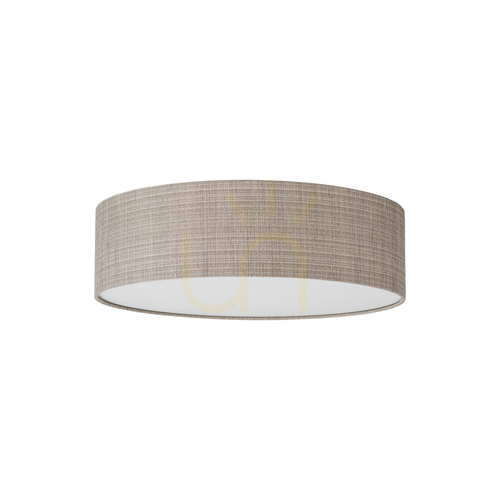
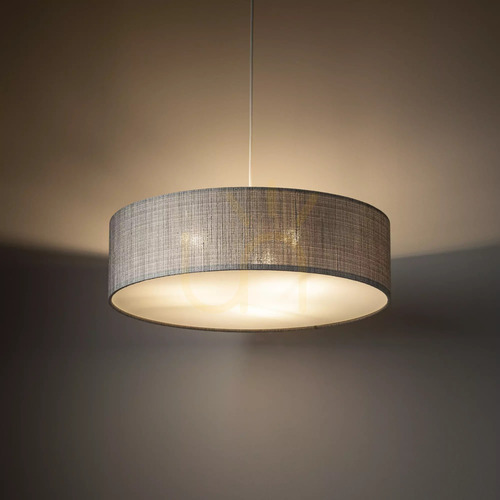
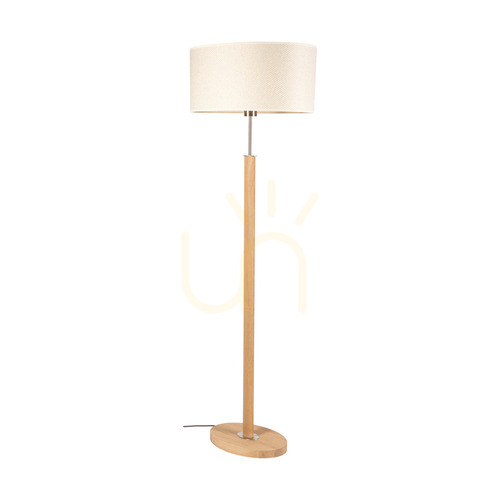
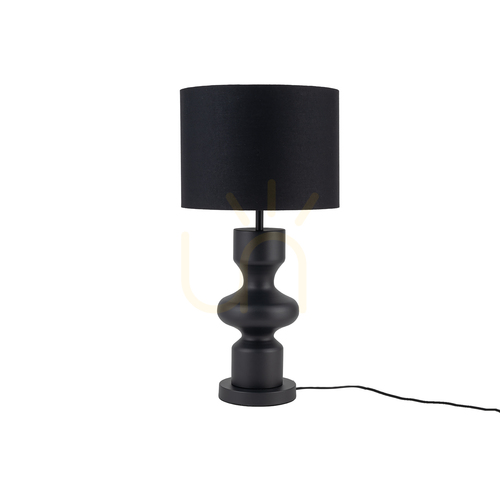
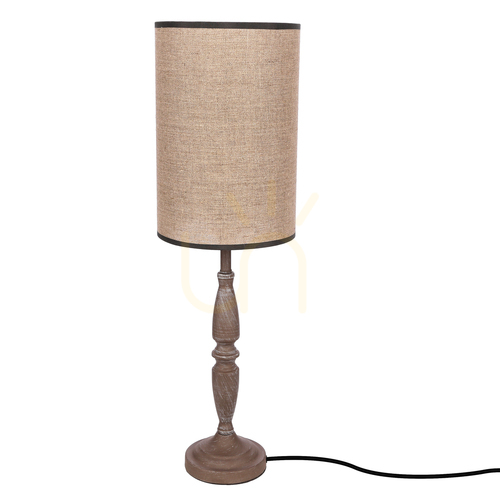
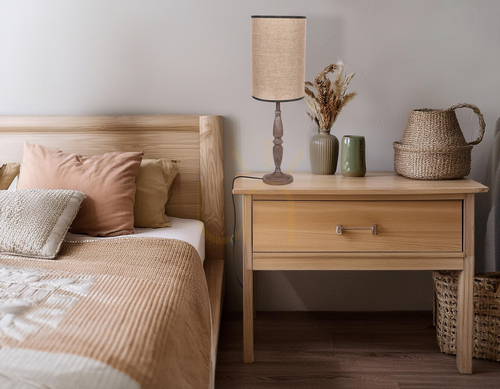
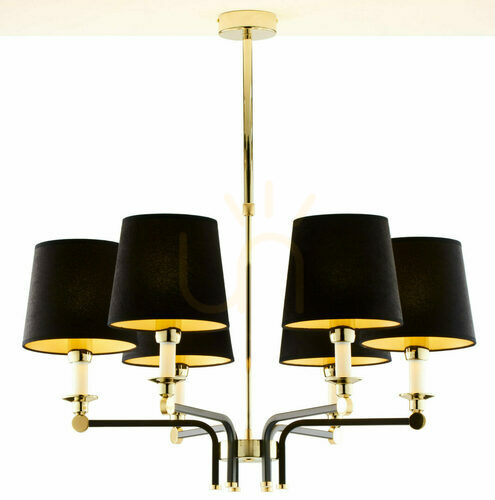
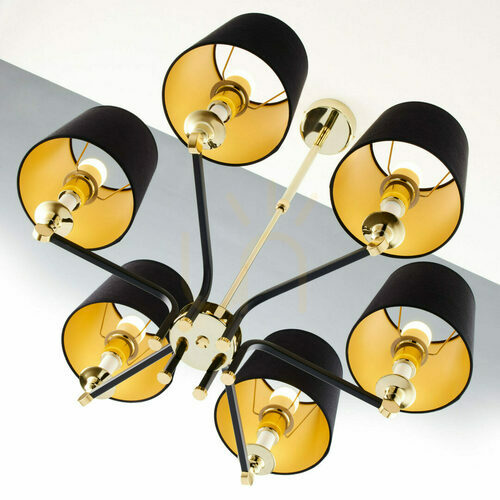
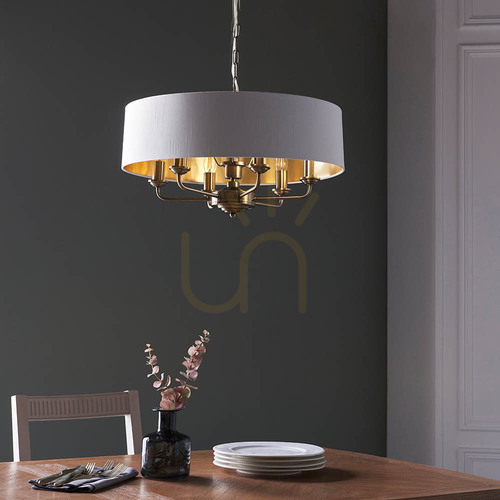
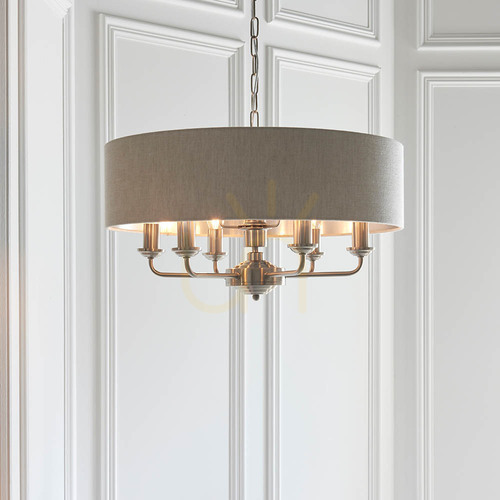
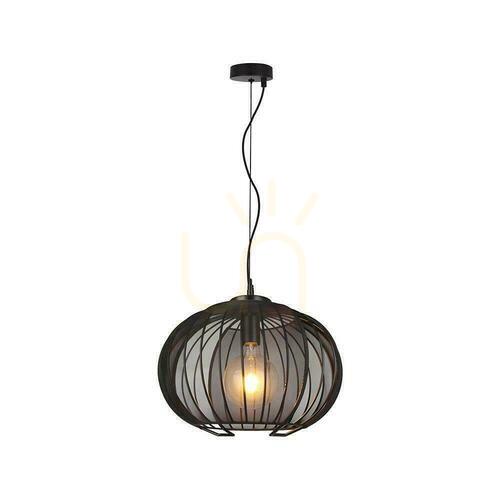
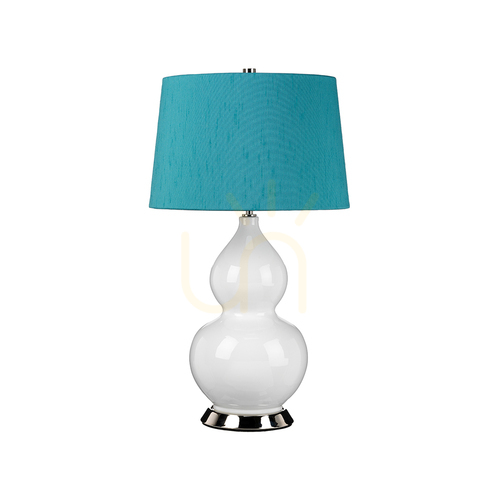
Fabric shade lamps turn a bare bulb into a soft, even glow: cotton, linen or velvet scatters the light, takes away the glare and blurs the shadows. The fabric you pick decides how the lamp behaves in the room – a pale, thin weave lights the whole space, while a dense or dark one sends light down and up and leaves the shade itself glowing gently.
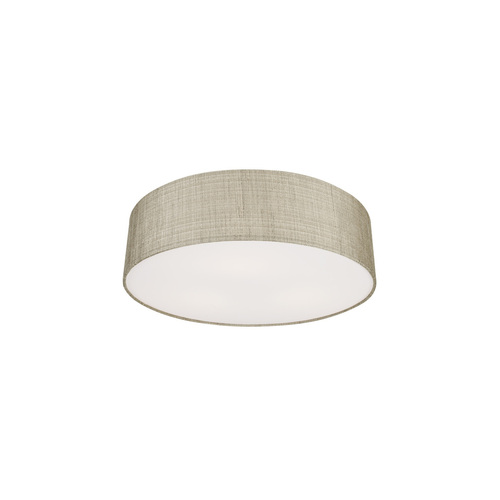
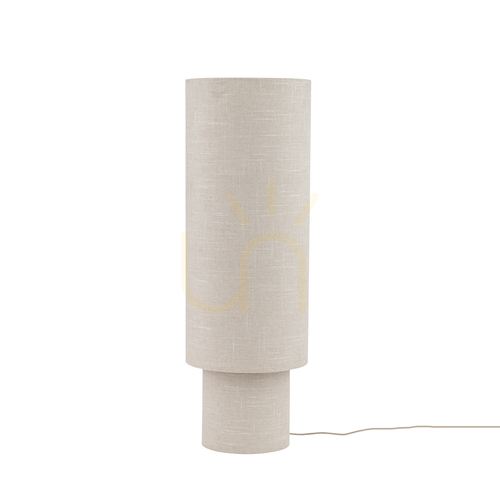
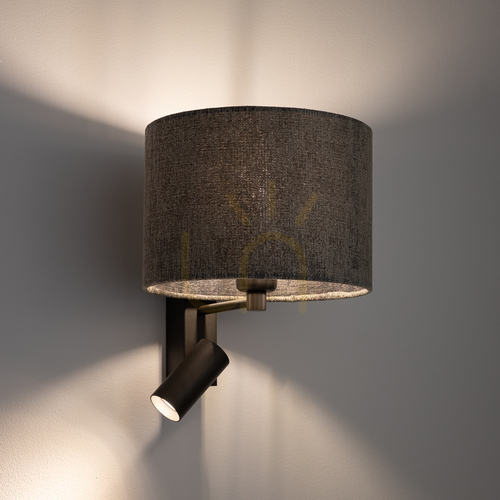
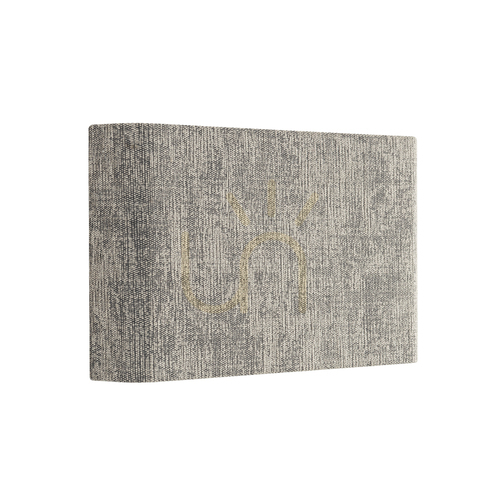
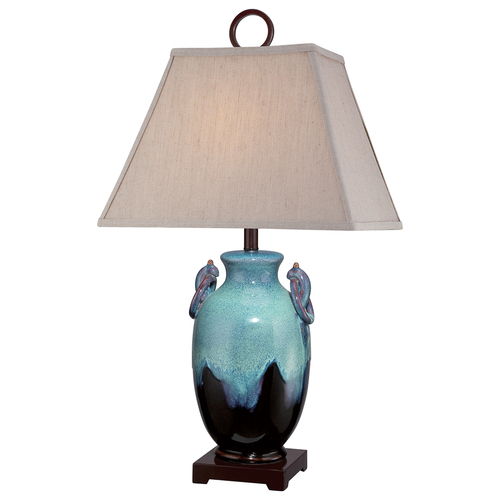
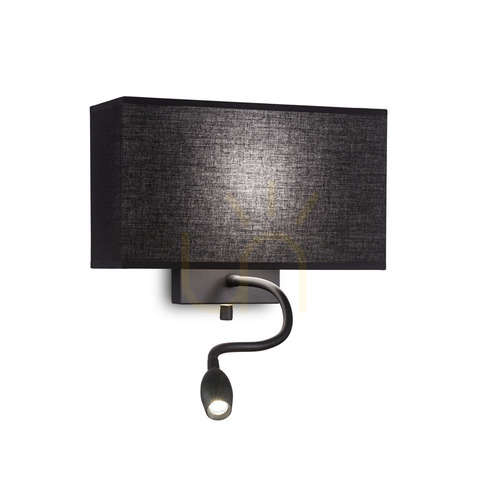
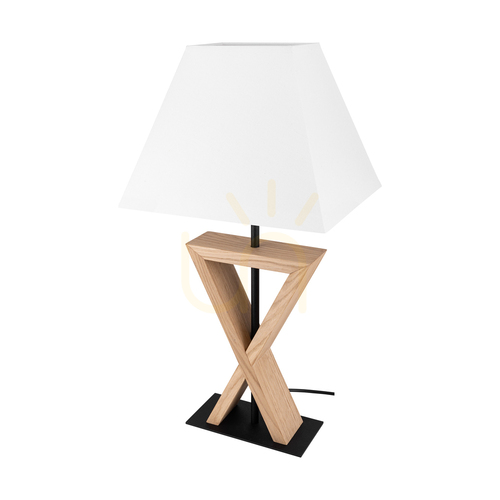
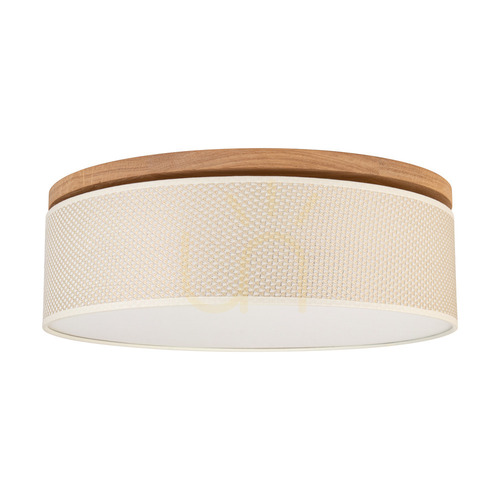
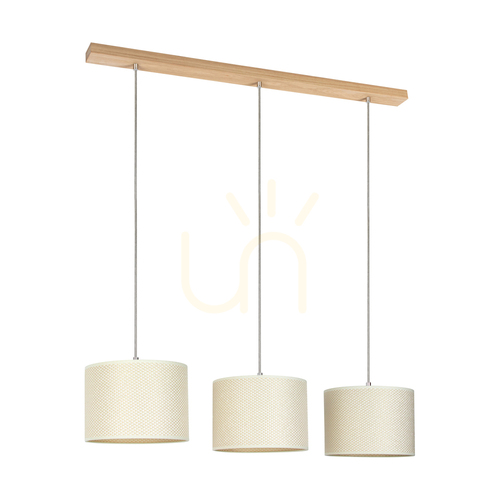
A fabric shade can sit on almost any indoor fitting: a ceiling pendant over the dining table, a flush ceiling light in a low hallway, a floor lamp by the armchair, a bedside or table lamp, a wall light or a multi-arm chandelier. The fabric pendant light is the best-known version, yet the same rules about weave, lining and bulb apply to every one of them.
What the fabric does to the light
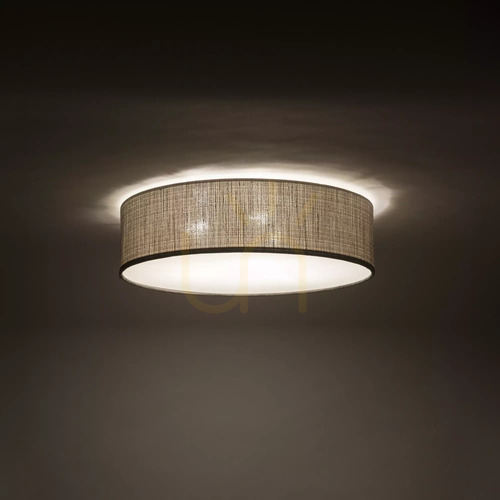
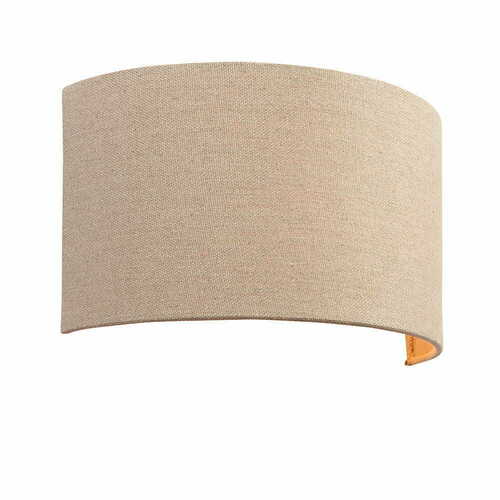
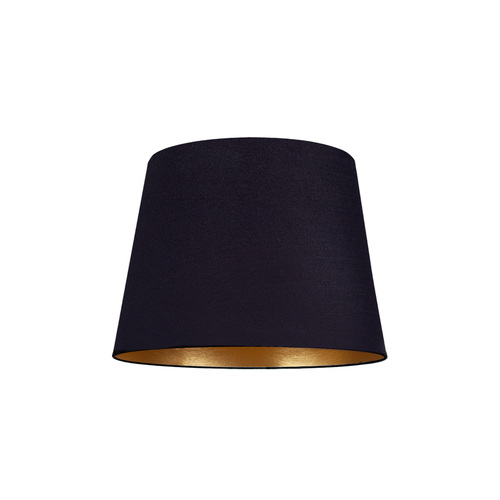
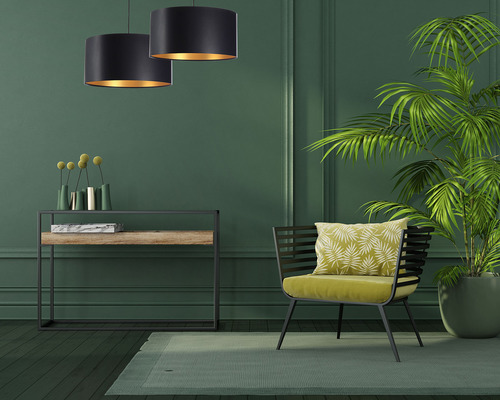
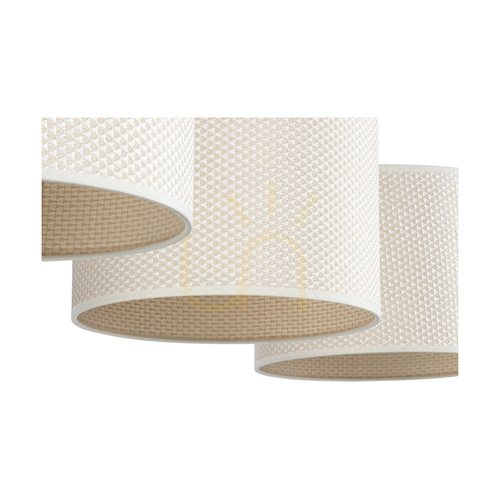
Think of the shade as a filter with two open ends. Some light passes through the fabric and makes the whole shade glow; the rest escapes from the top and bottom as two direct pools. Thin white cotton tips that balance towards glow, heavy velvet towards the pools. The lining matters too: a white or metallic inner surface (gold, copper, silver) bounces more light out, and gold or copper also warms it. Outer colour tints the room – oatmeal and terracotta feel warm, slate and navy feel cooler and moodier.
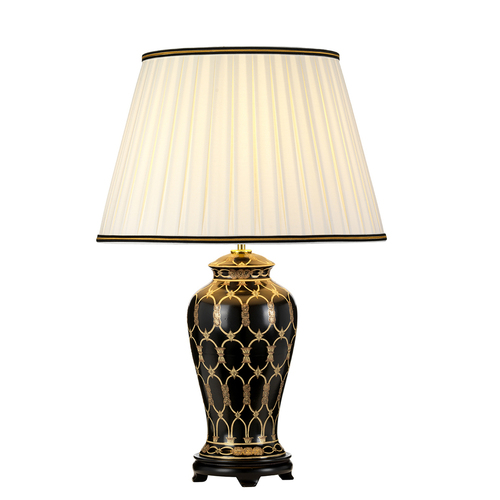
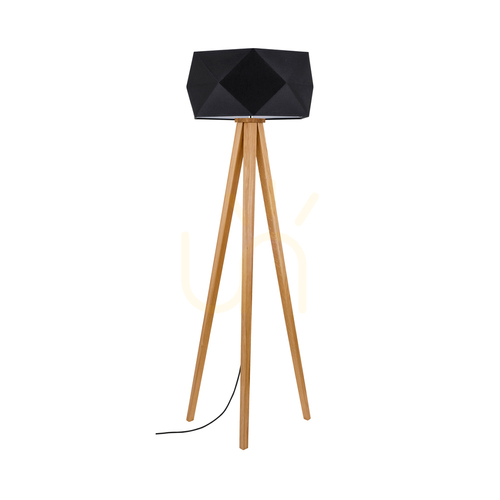
Shape changes the spread. A drum gives an even, all-round light; a tapered empire or coolie shade pushes more light down onto a table or a book; an oval suits a long dining table; pleated, gathered and scalloped shades add texture, with output that depends on the base fabric.
Choosing the right fabric shade lamp
| Where |
Typical choice |
Worth checking |
| Living room, ceiling around 2.4 m |
flush or semi-flush fabric ceiling light, 40–60 cm |
drops only about 15–25 cm, so no head-bumping |
| Dining table for four (about 120 cm) |
pendant, 50–60 cm across |
bottom of the shade roughly 60–80 cm above the tabletop |
| Long table (180–220 cm) |
oval shade or a pair of pendants |
denser fabric so nobody stares into the bulb |
| Period home, high ceiling |
large drum pendant, 60–80 cm |
a longer drop keeps it in proportion |
| Reading chair |
floor lamp with a tapered shade |
pale lining, dimmable, 2700–3000 K |
| Bedside |
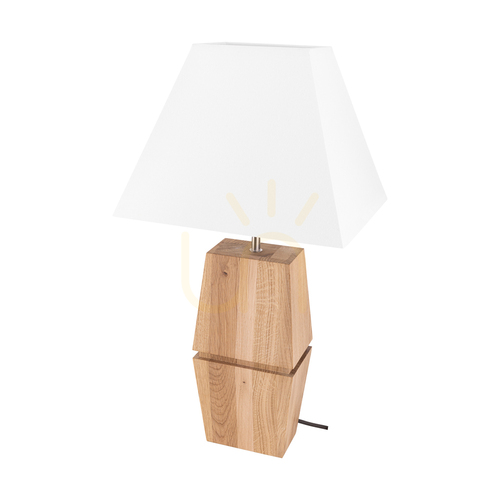
table lamp, shade 20–30 cm |
lower edge near eye level when sitting up in bed |
Dark velvet and coarse linen let through noticeably less light than white cotton, so plan a brighter bulb or a second lamp in the same room. Around 800–1000 lm is a sensible starting point for a main living-room light.
Bulbs, lamp holders and UK fittings
British homes still use the B22 bayonet cap (BC) widely, alongside E27 (ES) and the smaller E14 (SES) screw caps; some multi-arm fittings take G9 capsules and some fabric lights have built-in LED. Check the cap before you order bulbs or a replacement shade, because the shade ring has to match the lamp holder.
Under fabric, use LED. It runs far cooler than incandescent or halogen, so the shade will not scorch or yellow. The maximum wattage marked on the fitting is a hard limit – under textile shades it is often around 10–15 W LED – and the bulb must never touch the fabric. Oversized decorative globes in a narrow drum are a bad idea. For dimming you need LED bulbs marked as dimmable and a compatible dimmer switch.
Fitting it and where it works
Table and floor lamps simply plug in. Wiring a new ceiling fitting to the mains is a job for a qualified electrician working to BS 7671. Many ceiling shades, however, are easy-fit designs that slip over an existing pendant lamp holder, so changing the look of a room need not involve rewiring at all.
Fabric suits living rooms, bedrooms, dining rooms, hallways, studies and children's rooms. In a kitchen, keep it over the table rather than the hob, where grease settles into the weave. Bathrooms are generally a no: most fabric lights are IP20, and the occasional IP44 version still belongs outside the zones around the bath and shower.
Fabric lamps: questions people ask
What is the best fabric to use for lampshades?
For a bright main light, a fine cotton or linen in white, ivory or a pale natural tone. For atmosphere, velvet or a darker linen. Whatever the fabric, it is normally laminated onto a stiff backing so it holds its shape and keeps its distance from the bulb.
What size lampshade does a table lamp need?
A common rule is a shade diameter roughly equal to the height of the base, with the lower edge low enough to hide the lamp holder when you are seated beside it.
Can I put a fabric lampshade on a ceiling light?
Yes. Easy-fit ceiling shades go onto an existing pendant lamp holder; check the cap type and the maximum wattage, then use an LED bulb that sits clear of the fabric.
Does a large fabric pendant light work in a small room?
It can, if the ceiling allows it. A 60–80 cm shade looks best over a table where nobody walks underneath; in a room with a 2.4 m ceiling, a flush fabric light of a similar diameter gives the same presence without the drop.
Can I get a plug-in fabric pendant?
Plug-in pendants exist: the flex runs to a ceiling hook and down the wall to a socket. They are handy for renters or where there is no ceiling point, but the cable route needs planning.
How do I clean a pleated or ruffle lampshade?
With the lamp off and cool, dust along the pleats with a soft brush or a vacuum brush on low. Dab marks with a barely damp cloth after a test on a hidden spot, and never soak the shade – water loosens the glue between fabric and backing. Strong sun fades colour over time.
For lights that hang over a dining table or kitchen island, read on about fabric pendant lights. For lighting the rest of the home, see indoor lighting.