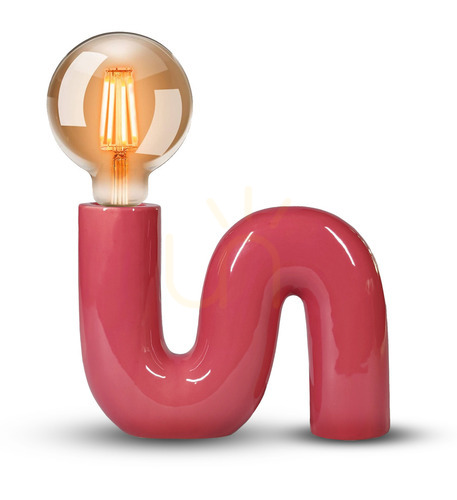
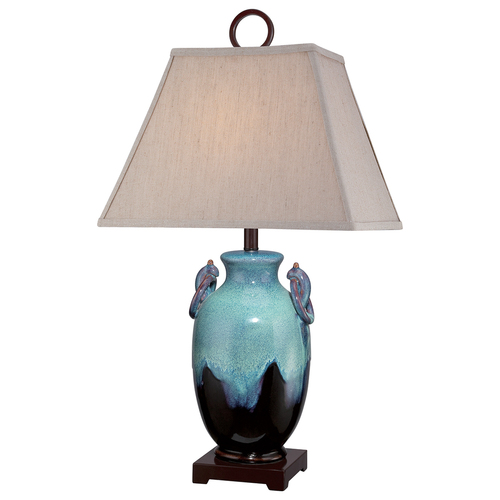
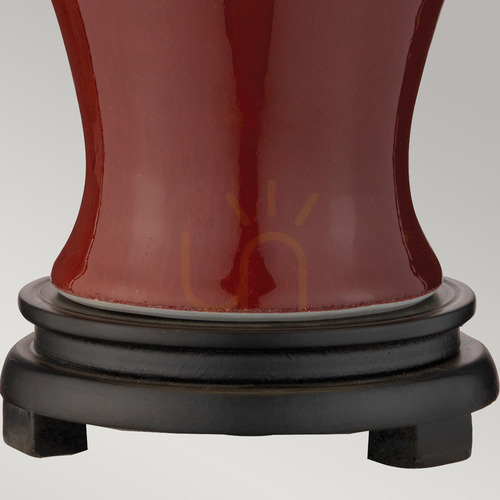
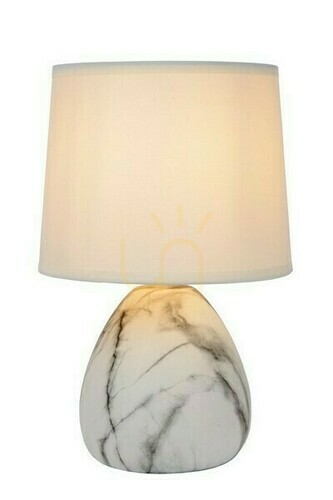
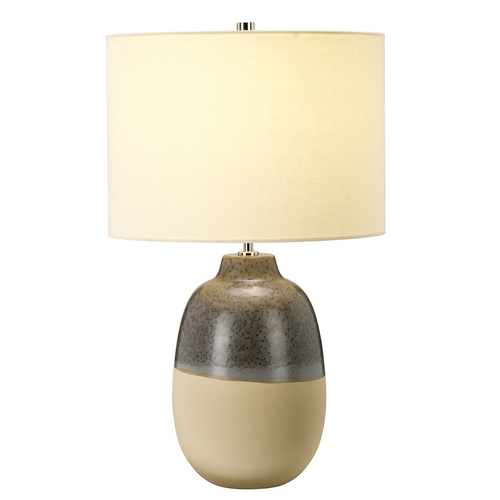
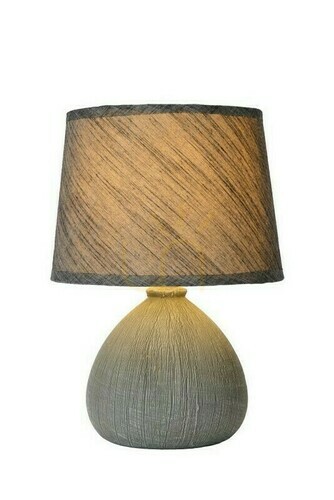
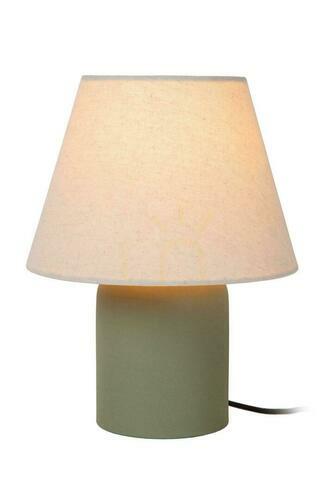
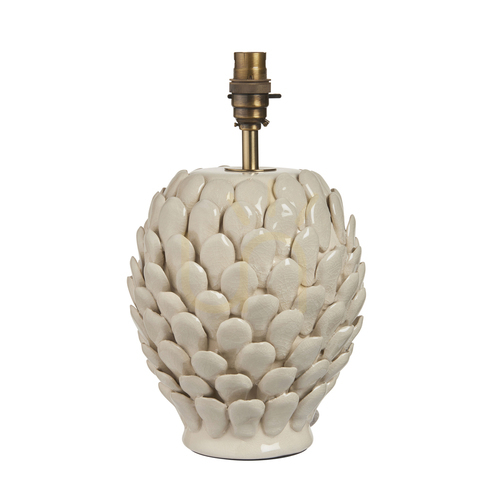
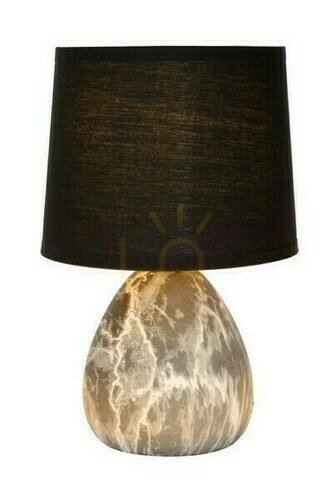
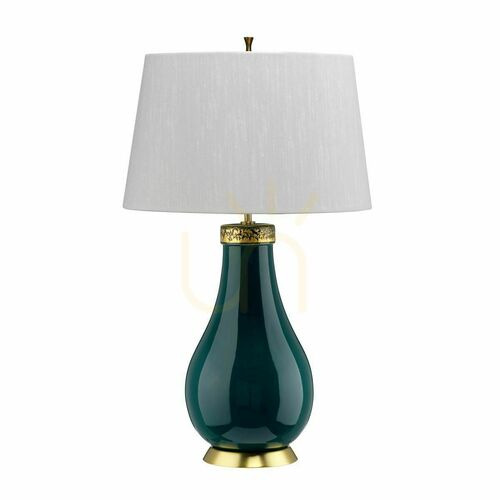
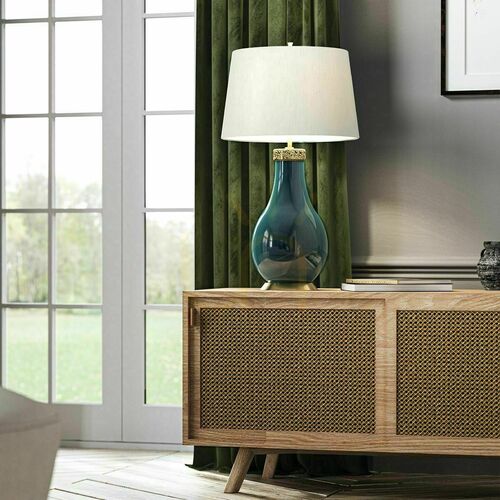
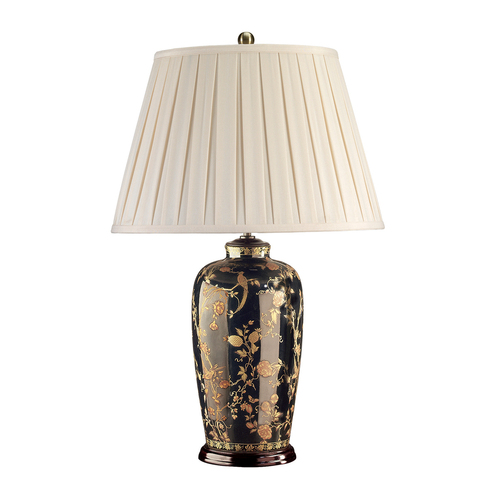
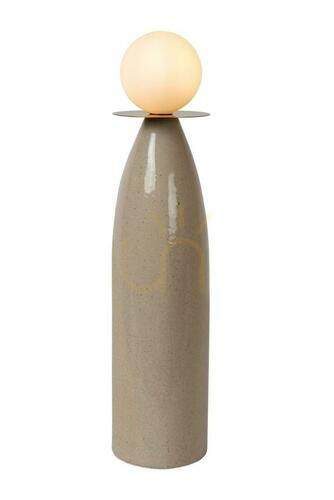
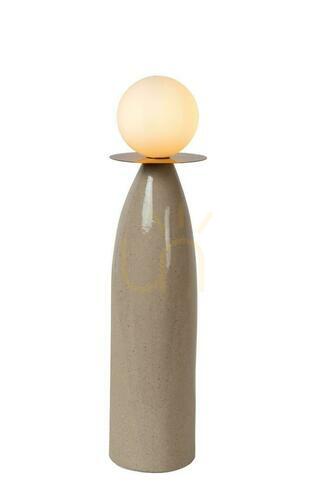
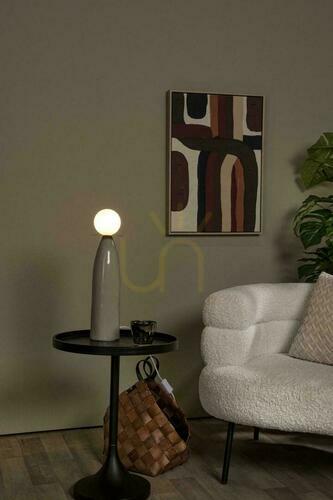
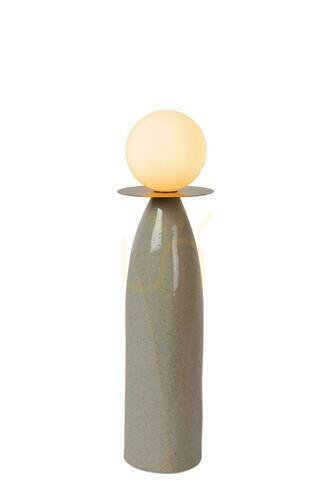
Ceramic table lamps are the ones that survive being knocked. The clay body is thrown or slip-cast, fired, glazed and fired again, and what comes out is a base with real mass in it — which is exactly what a lamp on a side table needs when somebody catches the flex with their foot. The glaze is the other half of the appeal: it is the only lamp material that can be glossy, matte, speckled and crackled in the same shape.
What ceramic means on a lamp base
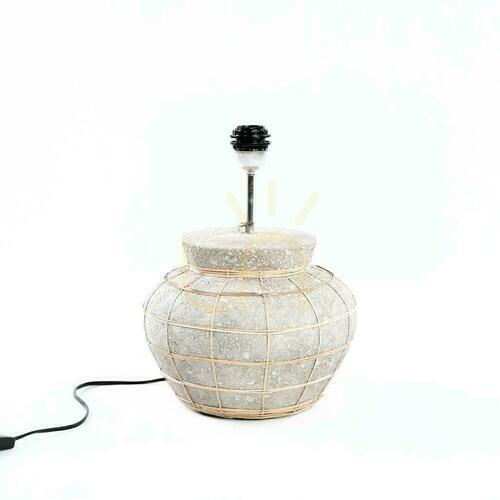
Most of what is sold as ceramic is stoneware — clay fired hot enough to vitrify, so the body itself is dense and non-porous even before the glaze goes on. Porcelain is finer, whiter and usually thinner-walled, and it will let a little light through at the rim. Earthenware is softer, fired cooler, and depends entirely on its glaze to stay sealed. Unglazed or biscuit surfaces feel wonderful and mark easily, so keep those away from the coffee ring zone.
Glazes, and how they behave under a warm bulb
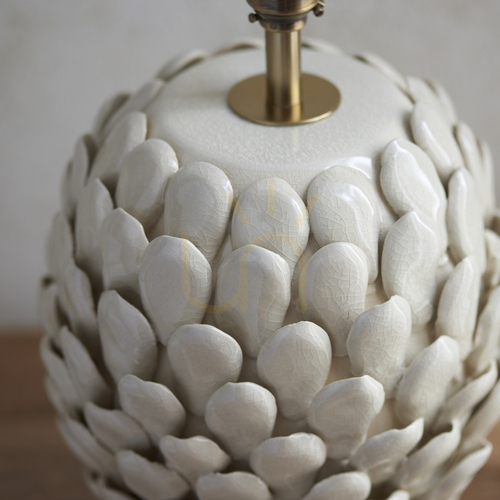
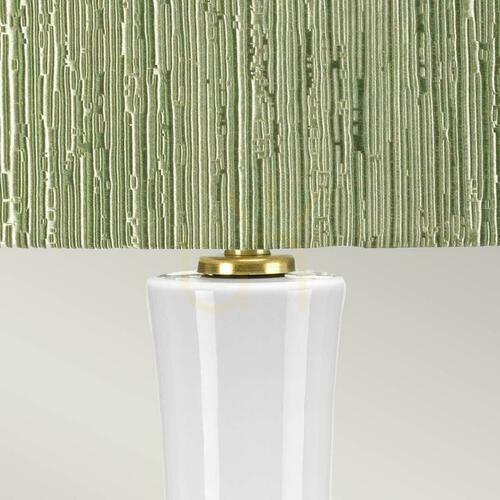
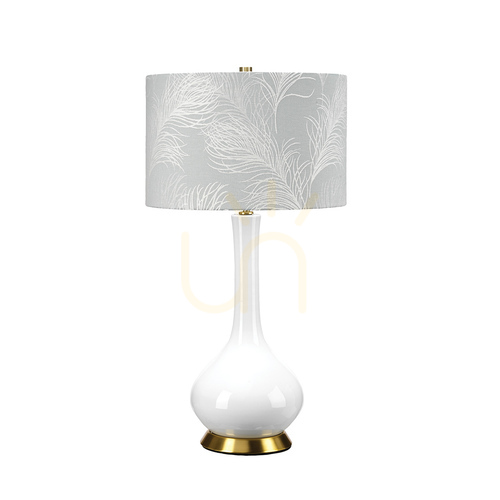
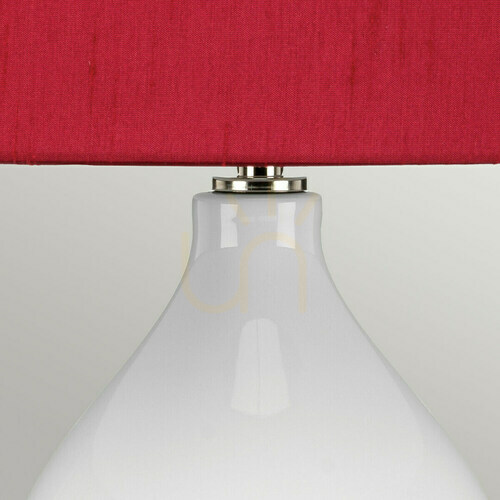
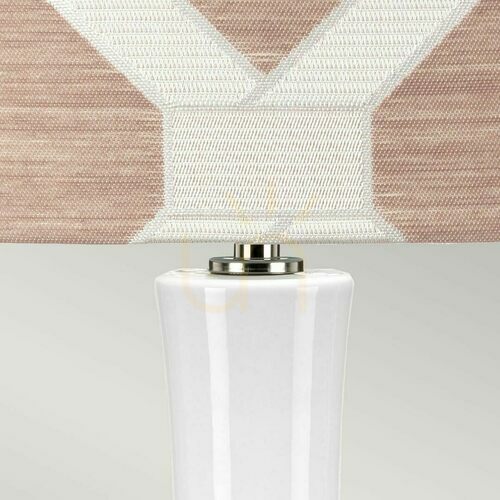
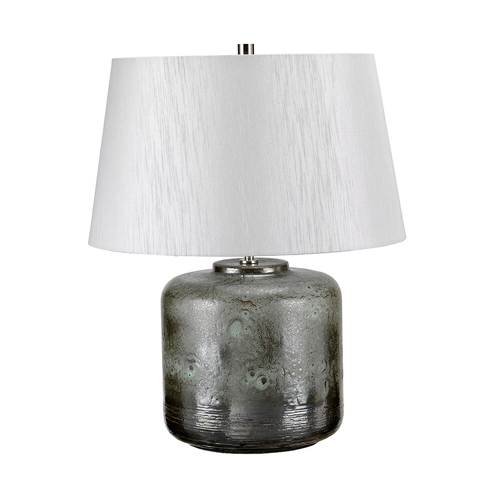
A gloss glaze reflects the room and picks up a highlight from the shade, which makes a plain shape look sculptural. Matte glaze absorbs and reads softer, closer to plaster. Reactive and crackle glazes pool in the hollows and break over the edges, so no two pieces match — that is the point of them, not a fault. Worth knowing before you commit to a colour: at 2700 K everything shifts warm. A cool grey-blue glaze looks noticeably greener under a warm lamp than it does in daylight, and a cream glaze goes properly buttery.
Weight is the quiet advantage
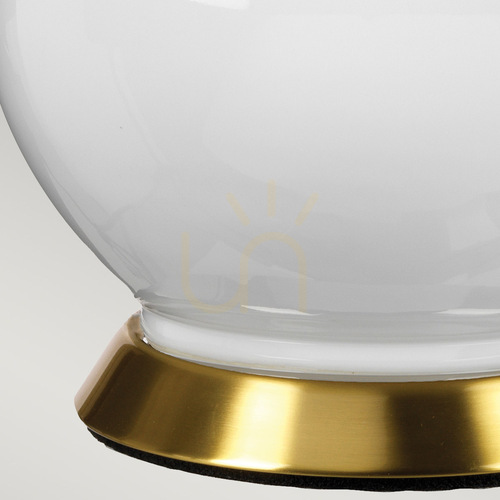
A ceramic base is heavy for its size, which lets designers get away with a wide drum shade on a narrow body without the whole thing tipping. It also means you should check what the base sits on. A glazed foot on a polished console will slide and can scratch; most good lamps ship with a felt or cork ring underneath, and if yours does not, add one. Ceramic is an insulator, so the base stays cool no matter how long the lamp is on.
Choosing a shade for a ceramic base
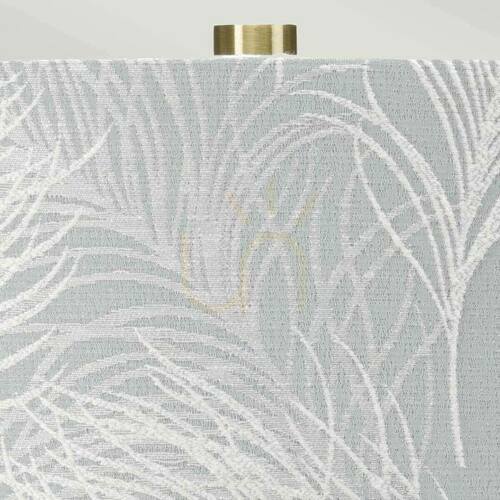
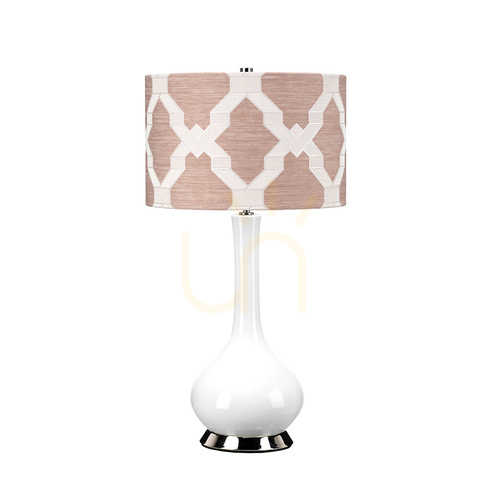
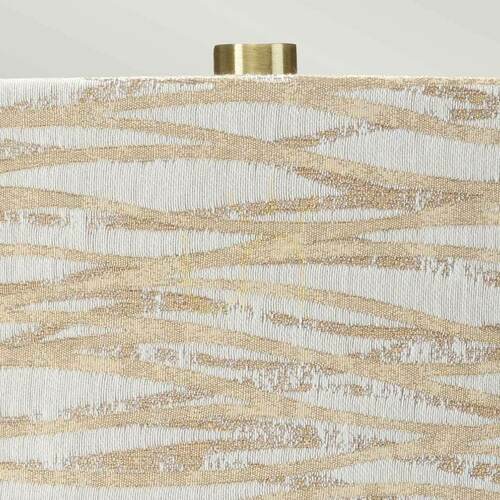
The base is opaque, so the shade does all the work of shaping the light. Linen and cotton drums glow and throw a soft wash — right for a bedside or a sofa table. An opaque card shade with a pale lining gives two clean cones, up and down, and no glare at eye level. Pleated and empire shapes suit rounded, ginger-jar style bodies; a straight cylinder suits a column. As a rough proportion, the shade wants to be about the height of the base and a little wider than its broadest point.
Chips, crazing and cleaning
The failure mode of ceramic is a chip at the rim or foot, and it is not repairable in any way you will be happy with, so transport the lamp base and shade separately. Fine crazing in the glaze — a web of hairlines — is a normal ageing of some glaze recipes and does not weaken the body. Clean with a damp cloth and dry it; skip abrasive creams, which dull a gloss glaze permanently, and keep water away from the socket and the cord entry.
Common questions
Are ceramic table lamps heavy to move?
Heavier than wood or metal of the same size, which is what makes them stable. Lift from the body, never by the shade or the harp.
Can a ceramic lamp go in a bathroom?
Only if the lamp itself carries a suitable IP rating and is installed accordingly. The ceramic does not mind moisture; the socket and cable do.
Will the glaze colour fade in sunlight?
Fired glaze is stable and will not fade. A fabric shade on the same lamp will, so rotate the lamp if it stands in a bright window.