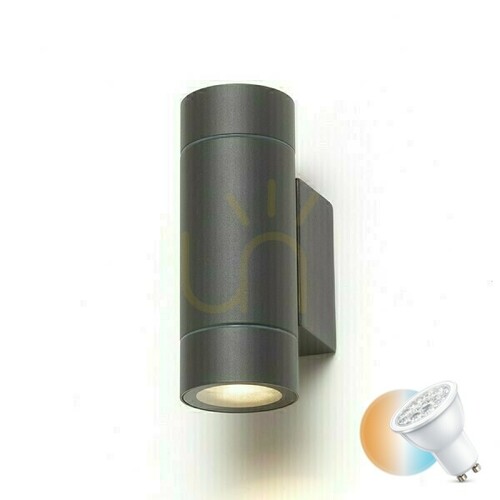
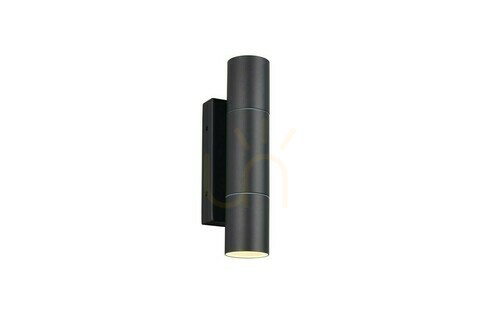
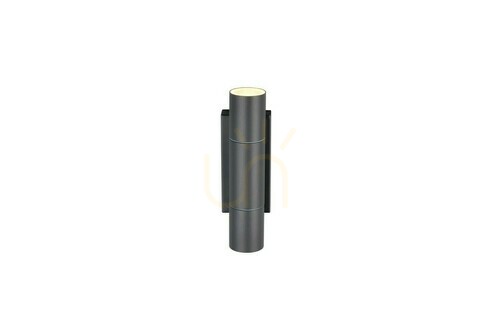
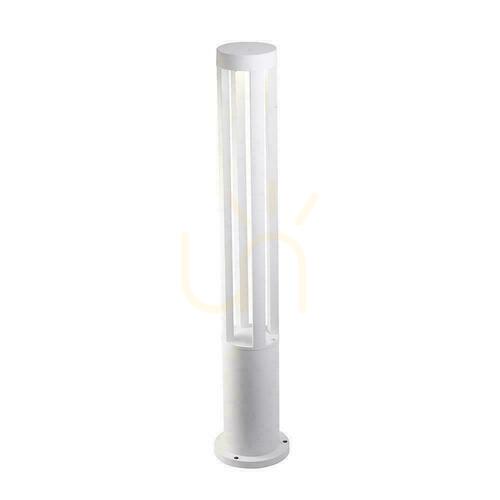
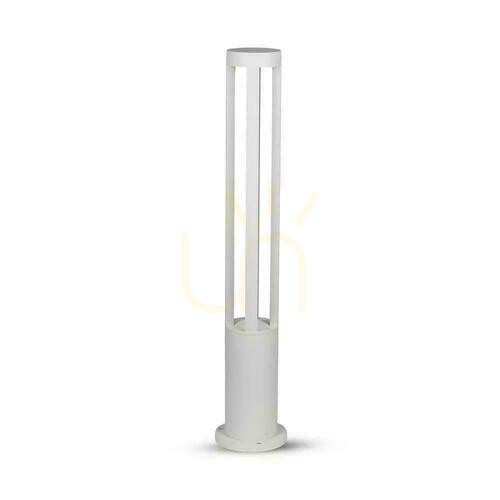
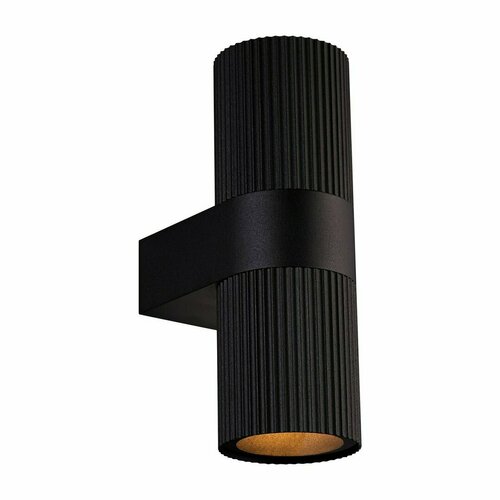
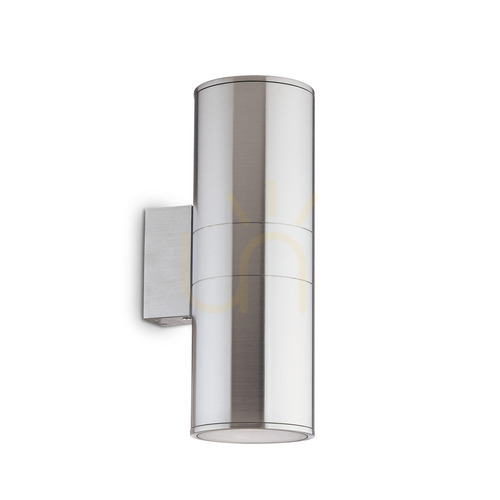
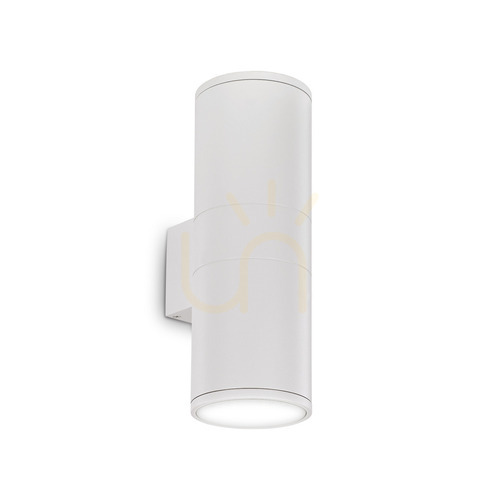
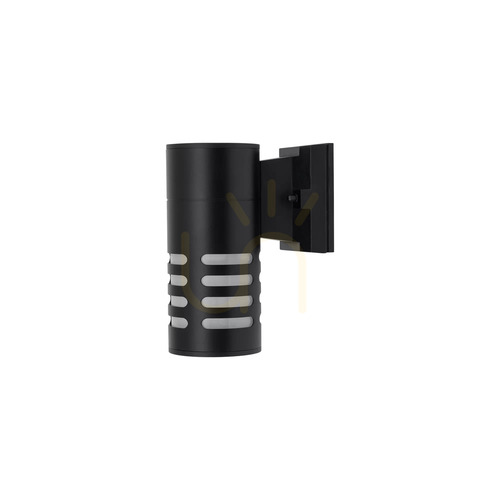
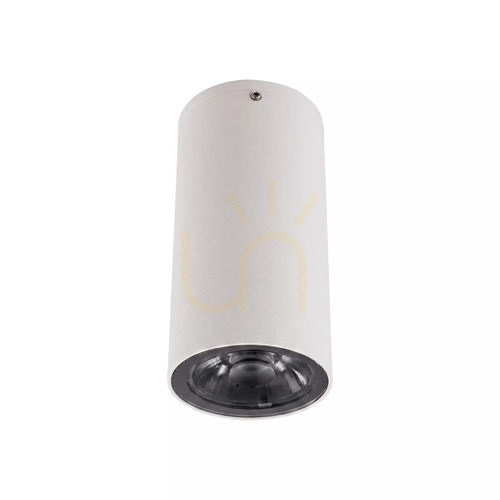
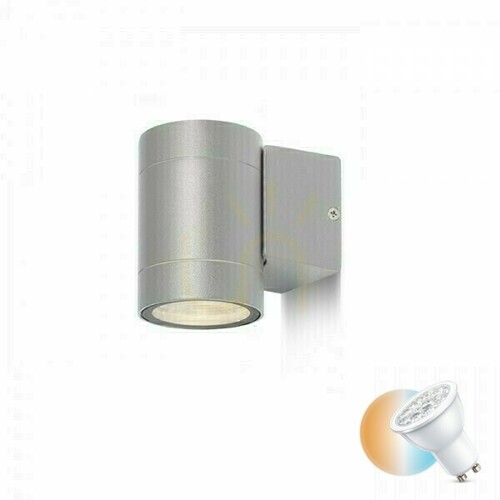
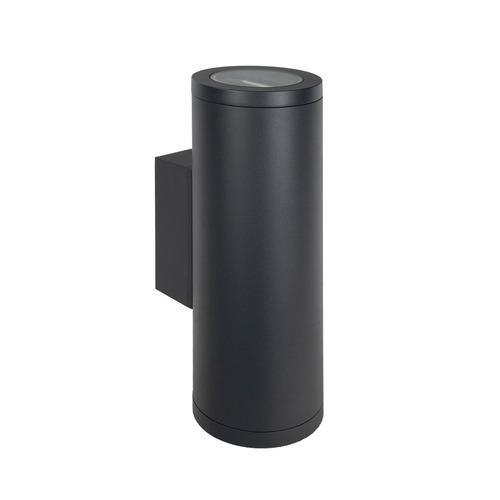
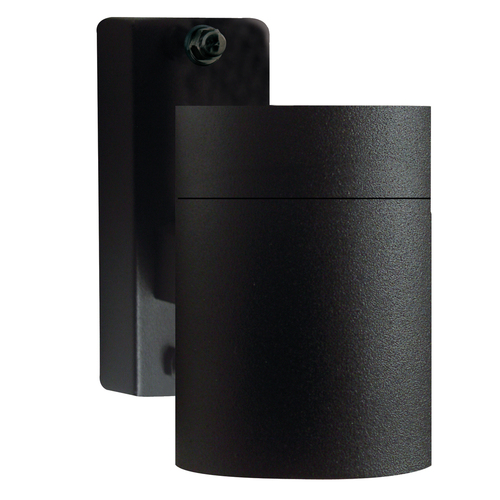
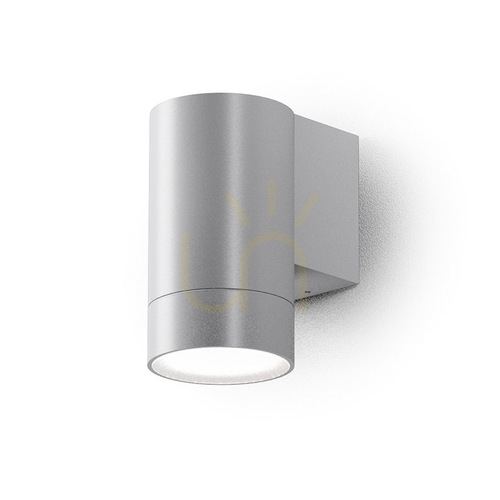
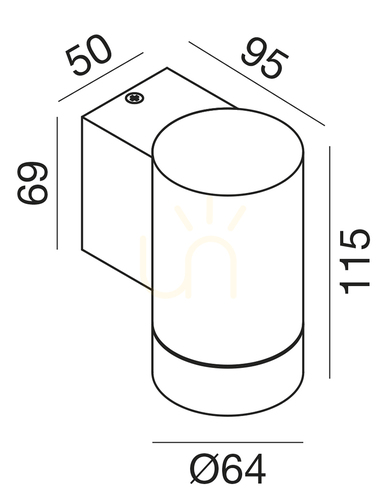
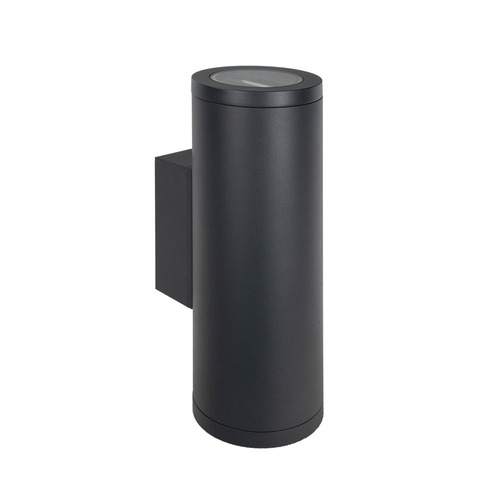
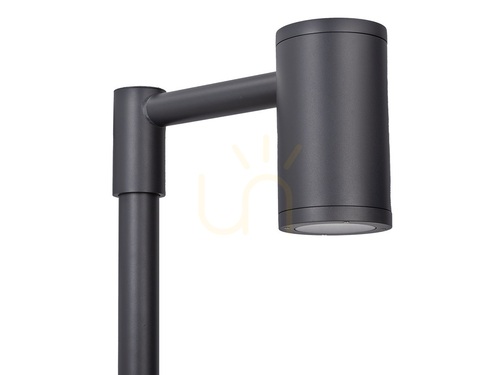
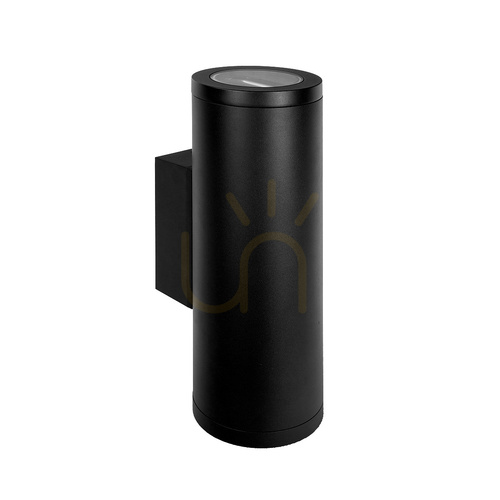
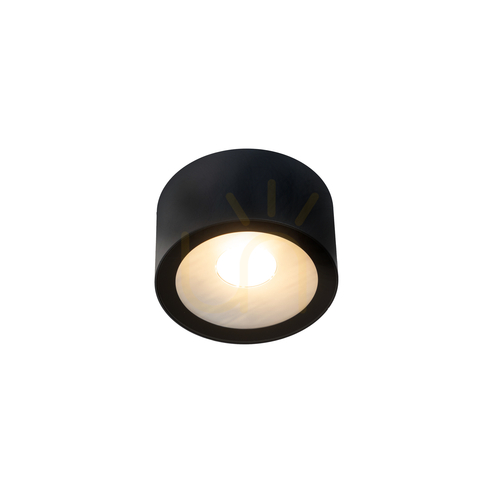
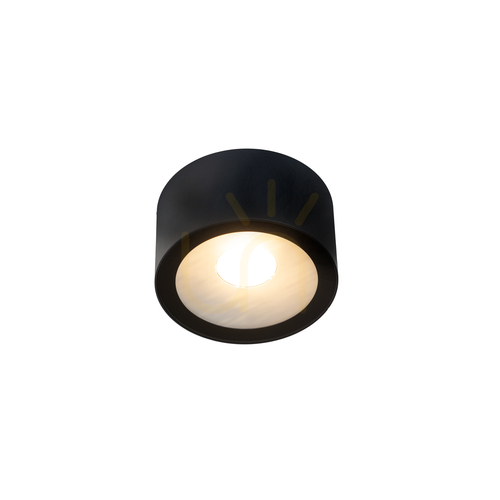
Tube outdoor lights are defined by a shape rather than by a mounting method: a plain cylinder of extruded or cast aluminium, open at one end or at both, with the light source set back inside the bore. That same cylinder turns up as a wall fitting, as a surface-mounted ceiling or soffit light, as a bollard standing 45 or 80 cm out of the ground, and occasionally on a cord as a pendant over a porch or a terrace table. Picking one starts with deciding which of those jobs you need done, because a tube behaves very differently once it is pointing down from a soffit instead of sideways off a wall.
The same cylinder in four positions
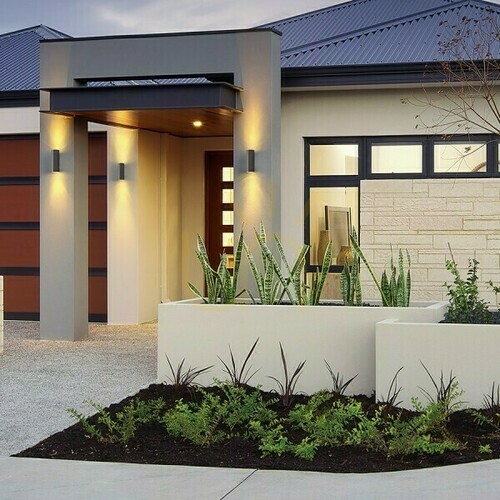
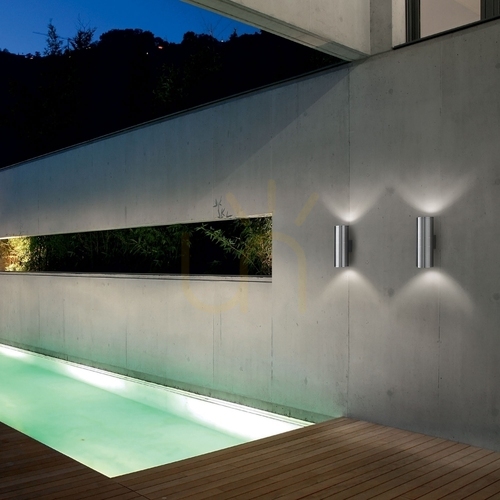
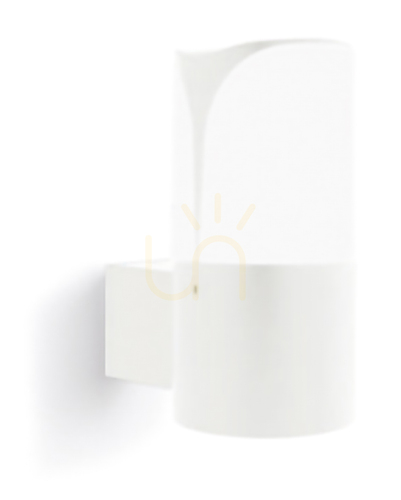
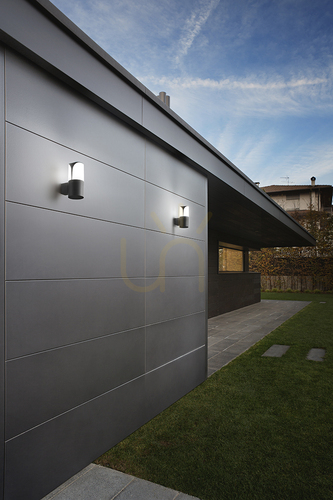
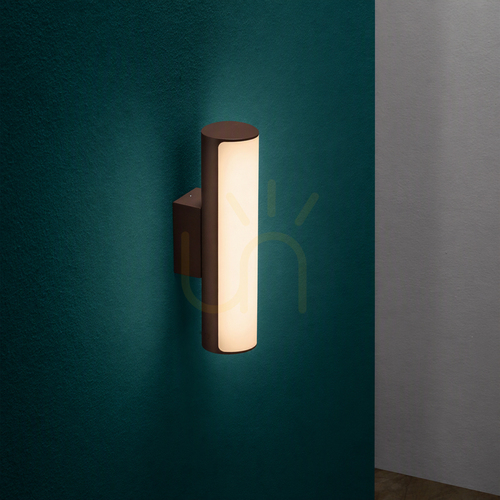
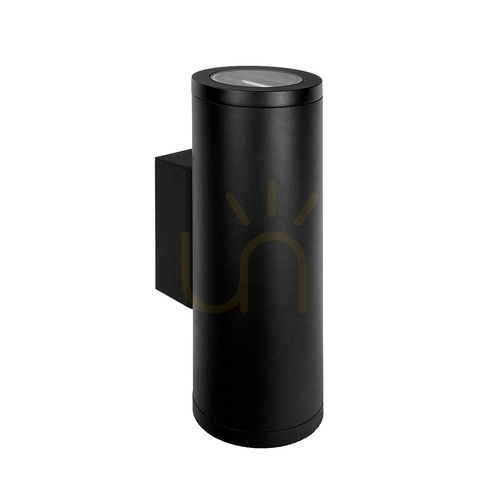
On a wall, a tube produces a hard-edged cone. A down-only version marks a doorway or a house number without lighting the neighbour's bedroom window; an up-and-down version draws two mirrored cones and is the quickest way to give a plain elevation some rhythm, provided you repeat it at even spacing — one on a wide wall looks like an accident.
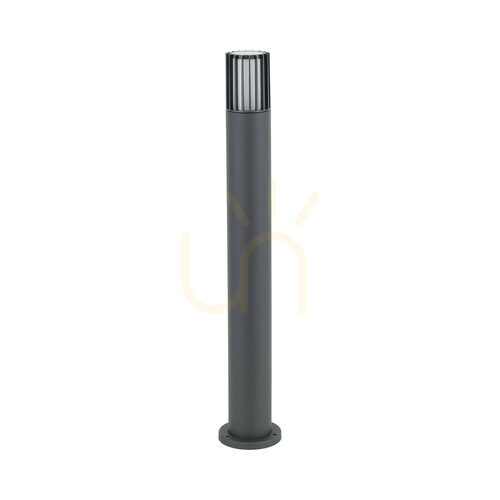
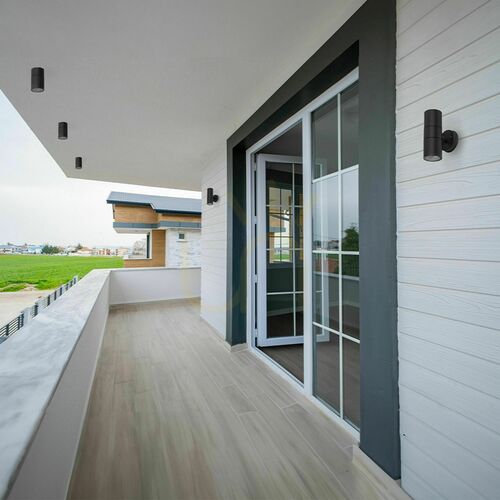
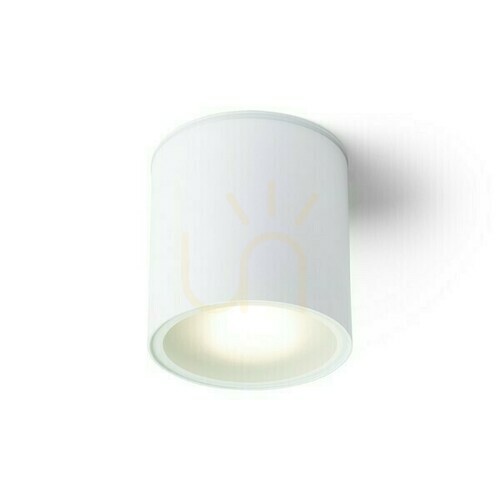
Fixed to a porch ceiling or under a soffit, the same body points straight down and works as a spot: a pool of light on the doormat, the steps or the parking bay, with the whole cone falling on the horizontal surface. A bollard puts the cylinder on end in the ground and lights the metre or so of paving around its own base, which is what makes a run of them read as a path rather than as decoration. And a pendant hangs the tube over a table or a seating area, where the deep recess of the LED is doing most of the work in keeping glare out of people's eyes.
Beam angle decides the effect, not lumens
Most of these fittings are modest in output, typically well under 1000 lumens, and the visual result comes from how tightly the light is gathered. A narrow 10–24° beam gives a long, sharp column and is what you want on a tall façade. A wider 35–60° beam gives a shorter, softer scallop and suits a low wall, a soffit spot or a position close to a doorway. Distance from the surface matters as much as the optic: mounted close, the cone grazes brick or render and shows its texture; further out it flattens and shows nothing. Keep the colour temperature at 2700–3000 K outdoors — cooler light at night reads as harsh from a neighbouring garden and washes out planting.
Sealing, impact and voltage
An open-ended cylinder is a water trap and a glare source at once, so look for the LED recessed well back from the rim rather than sitting flush with it. IP54 is only enough under a deep eave; on an exposed elevation, on a soffit that catches driven rain, or anywhere near a pool, choose IP65 with a gasketed backplate and a clear drainage path. A bollard in a driveway wants an IK rating as well — glass and thin pressed steel do not survive a reversing car or a snow shovel. Mains 230 V versions are fixed wiring and, in most markets, an electrician's job once the cable leaves the house; 12/24 V systems on a transformer let you bury shallower and extend a run yourself later. Salt matters too: within reach of coastal air, or on a drive that gets de-icing salt, specify 316 stainless or powder-coated aluminium and stainless fixings, because the mounting plate is where corrosion always starts.
Questions people ask
Will a tube on the wall light a path?
Not usefully. A wall cylinder lights the wall. For the path itself, use the bollard form of the same shape, a soffit-mounted downward tube, or a spike spot — the horizontal work needs a fitting aimed at the ground.
Integrated LED or a replaceable lamp?
A GU10 lampholder lets you change the beam angle later by changing the lamp, which is genuinely useful on a façade you are still experimenting with. Integrated versions seal better and fix the beam for good.
How far apart should wall tubes go?
Roughly at the height they are mounted at, so the cones neither merge into one band nor leave obvious gaps. Bollards along a path sit closer, around three to four metres.
Can I put one on a sensor?
Yes — a dusk switch or a PIR suits the wall and soffit versions, where a short burst is all you need. Bollards marking a route are usually better on a timer, since a path that only lights once you are on it defeats the point.
The cylinder is one shape among many out here; for lanterns, spike spots and pole-mounted fittings see the full outdoor lighting range.