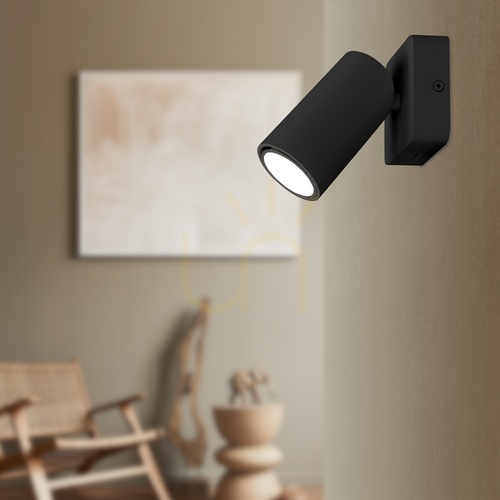
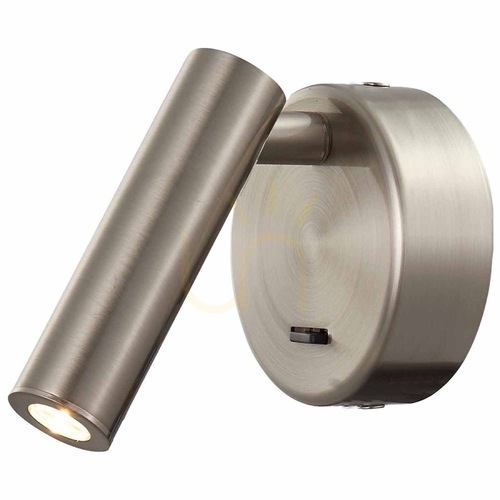
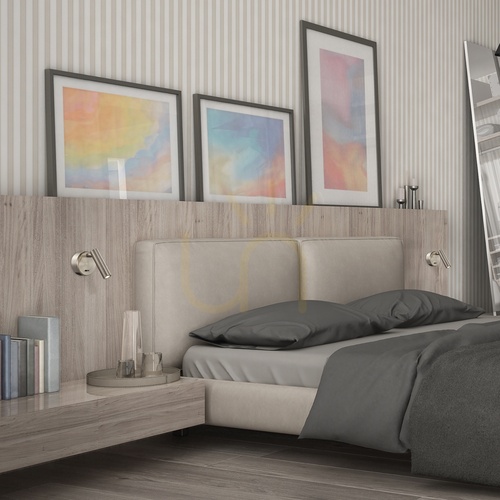
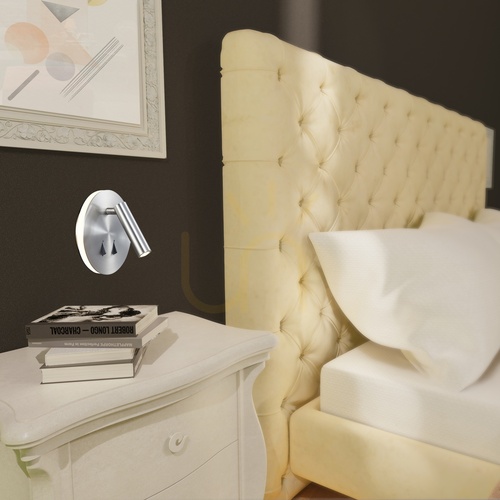
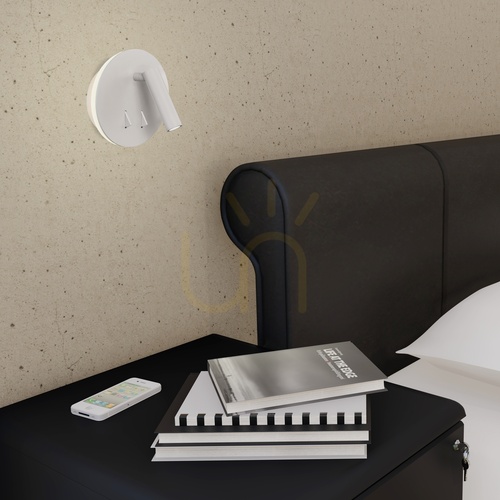
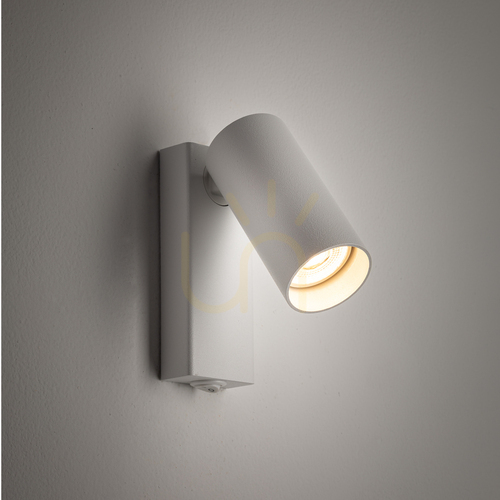
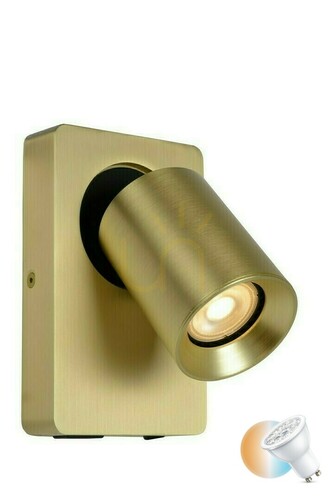
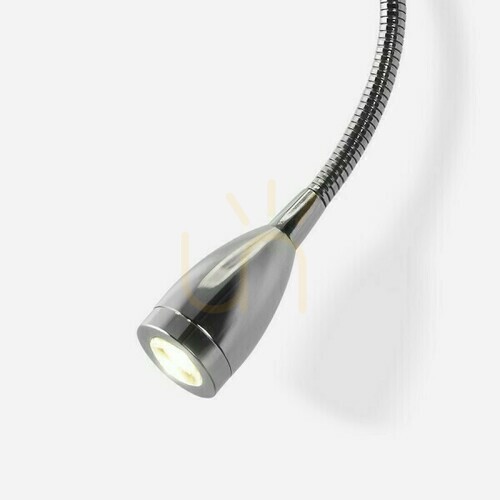
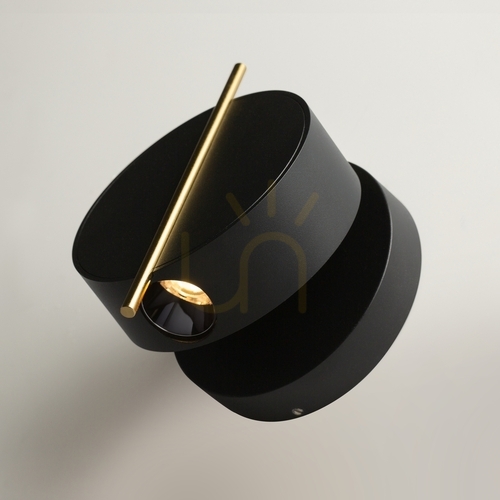
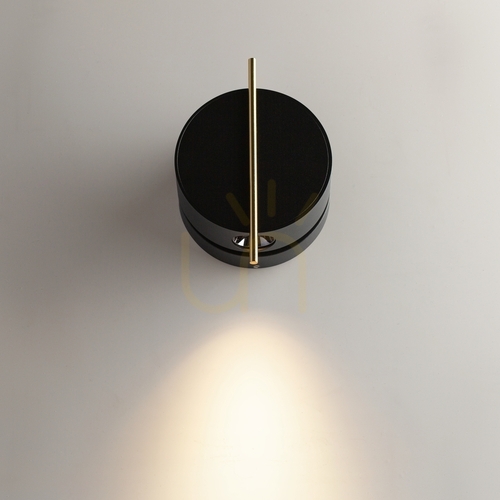
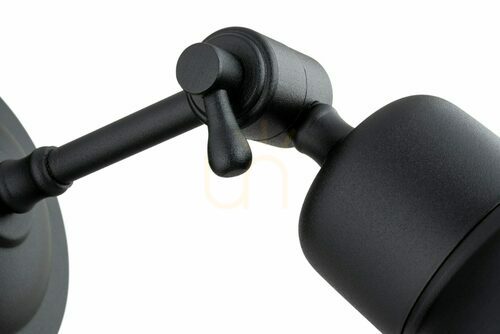
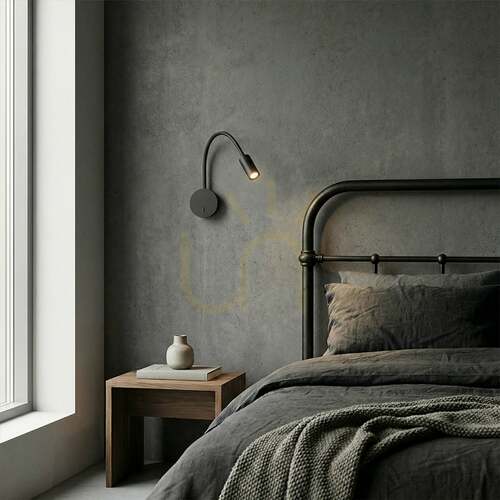
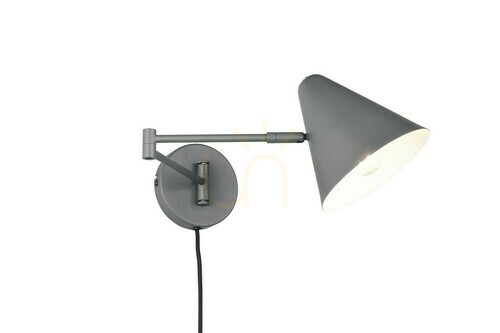
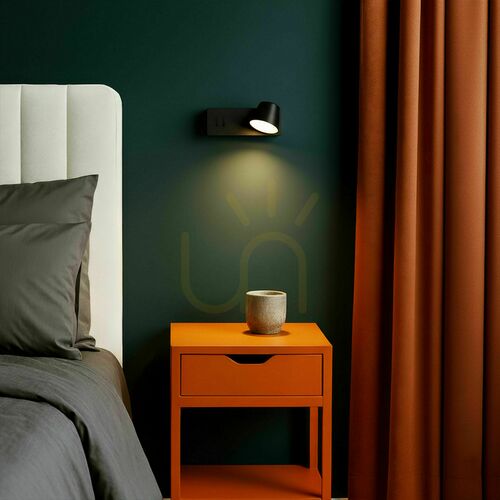
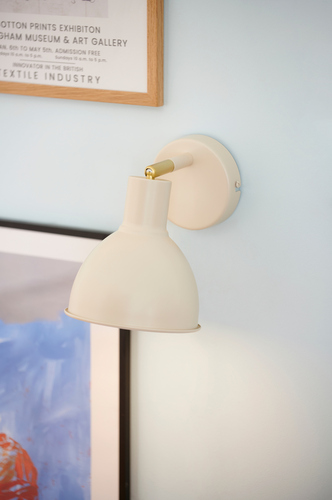
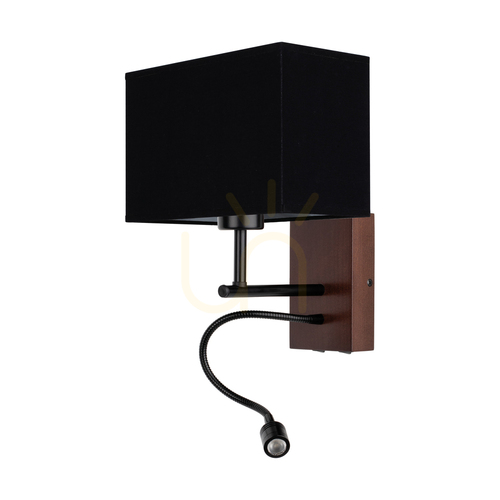
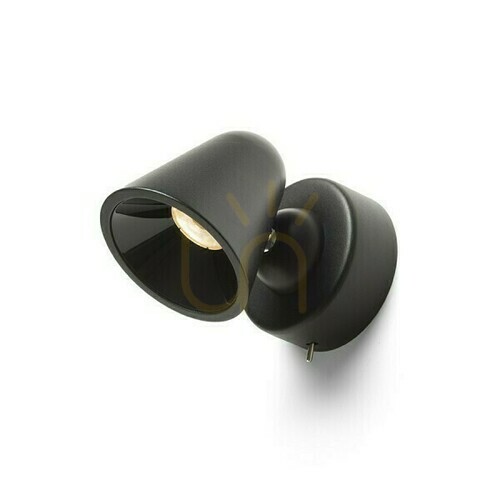
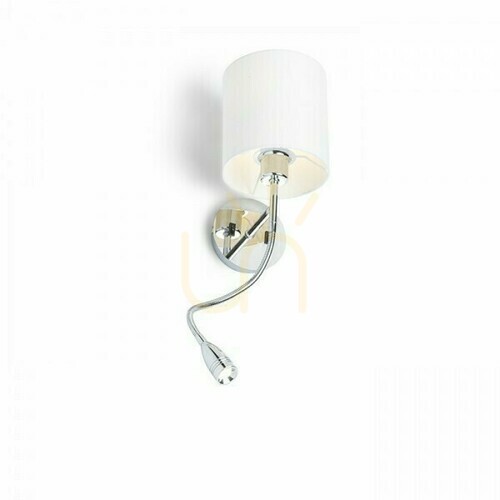
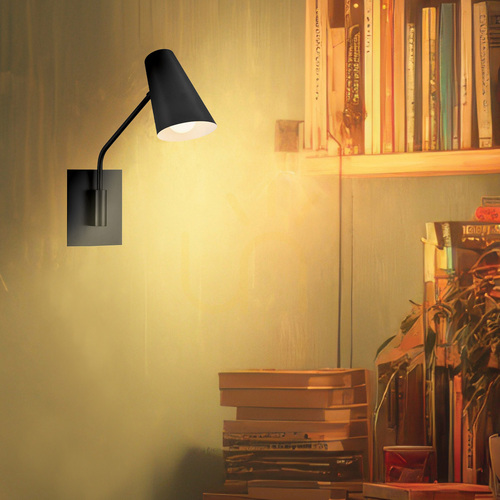
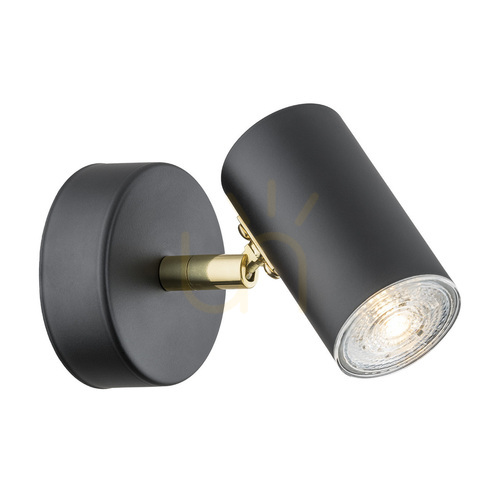
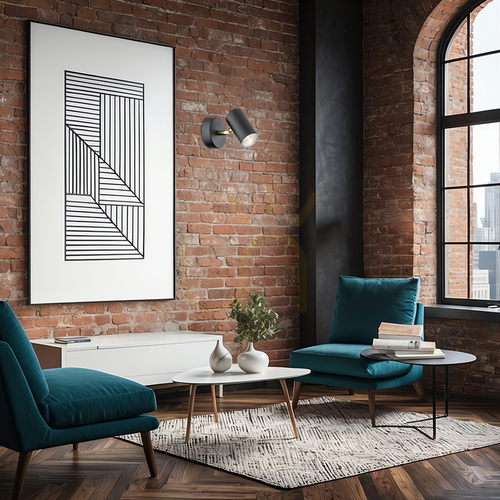
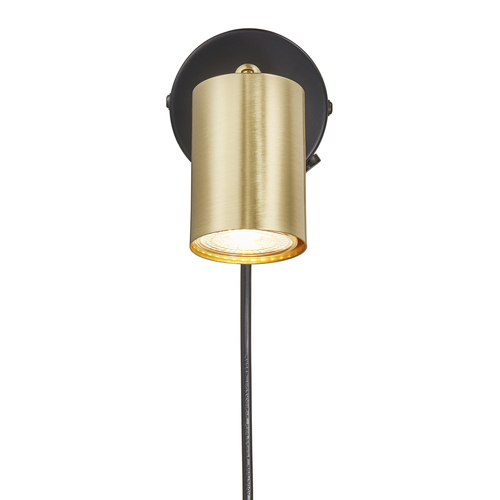
A wall mounted reading light puts a tight pool of light on the page and keeps it off the pillow next to you. What sets it apart from an ordinary wall light is that you can aim it: a swing arm, a flexible neck or a tilting head lets you steer the beam exactly where the book is, and the switch is usually within reach without getting up.
Most decorative wall lights wash light up and down the wall. Lovely for atmosphere, not much use for reading – the page stays dim and your partner gets the glare. A wall reading light does the opposite: small, directional and close to the bed, armchair or window seat.
Hardwired, plug-in or rechargeable?
Start with the power, because it decides which lights are even an option. If there is already a wired point above the bed, a hardwired fitting gives the cleanest look. In England and Wales, adding a new circuit or working in a bathroom is notifiable under Part P of the Building Regulations, and all fixed wiring should follow BS 7671, so this is a job for a qualified electrician. Check the fitting's class too: Class I lights need an earth connection, Class II (double insulated) ones must not be earthed.
No wiring behind the headboard? A plug-in wall light is screwed to the wall and runs a cable down to a standard 13 A socket. Paintable trunking hides the flex, and nobody needs to chase plaster. Rechargeable, wireless versions go one step further and can even clip to a headboard, though their output is usually lower and the battery needs regular charging.
Arms, necks and heads
-
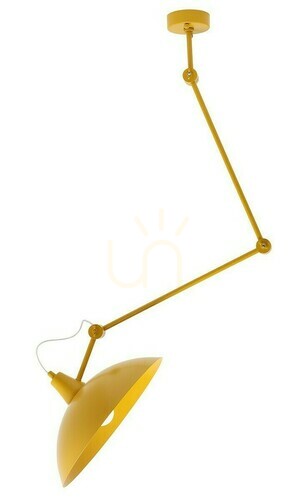
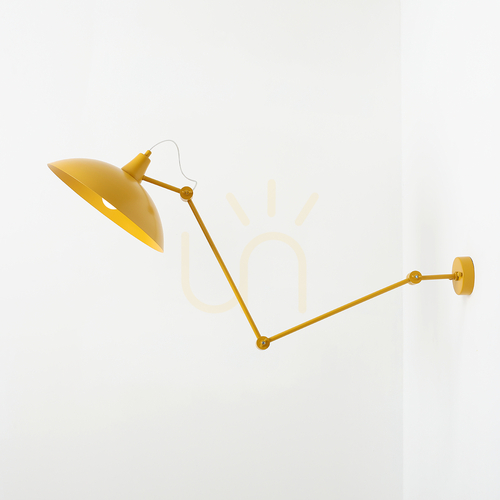
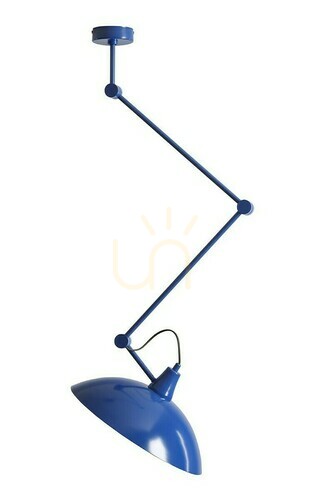
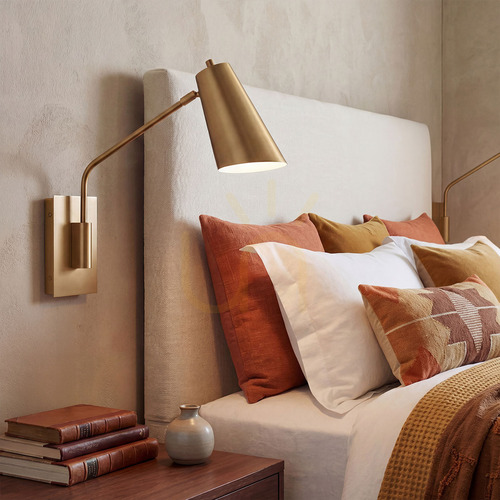
Swing arm – one or two hinged sections that fold flat against the wall during the day. Reach typically runs from around 15 cm to 60 cm.
-
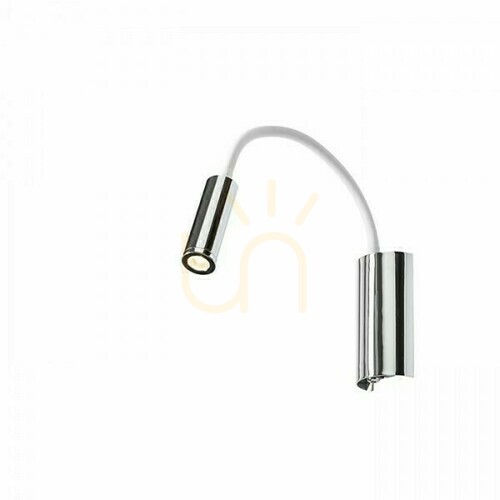
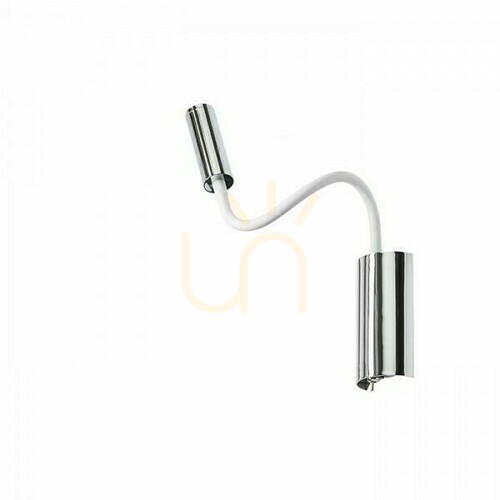
Flexible or gooseneck arm – bends to any angle, handy if you read sitting up one night and lying on your side the next.
-
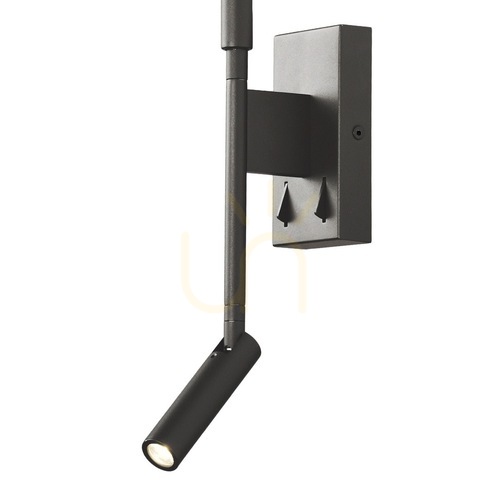
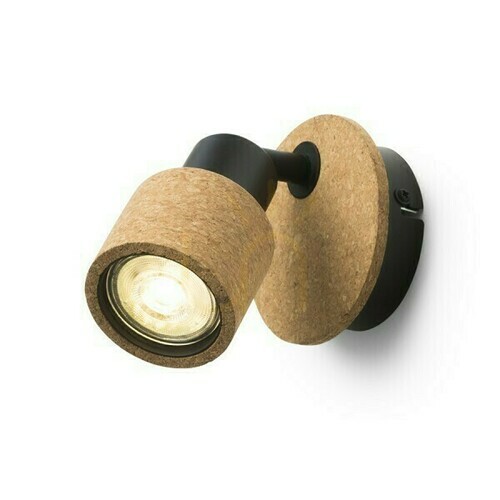
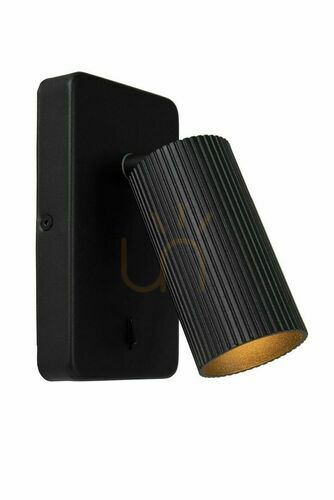
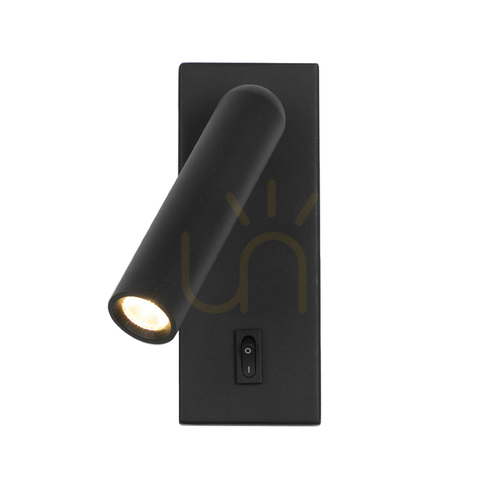
Tilting spot – the body stays flush, only the head or a short tube rotates. Neat where bedside tables are narrow.
-
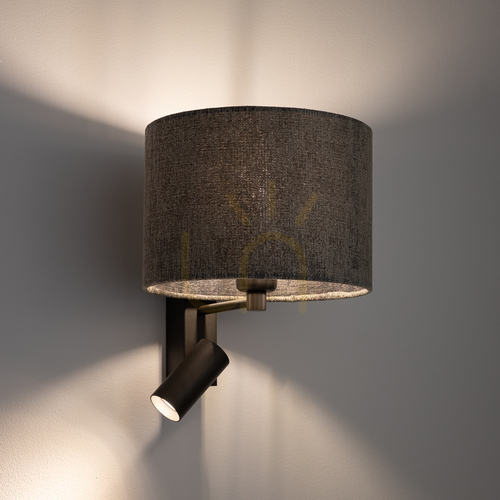
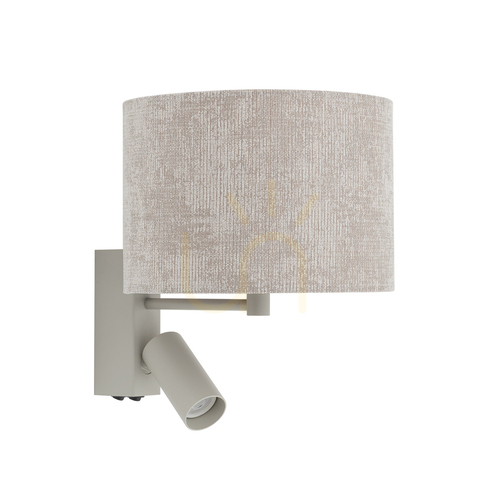
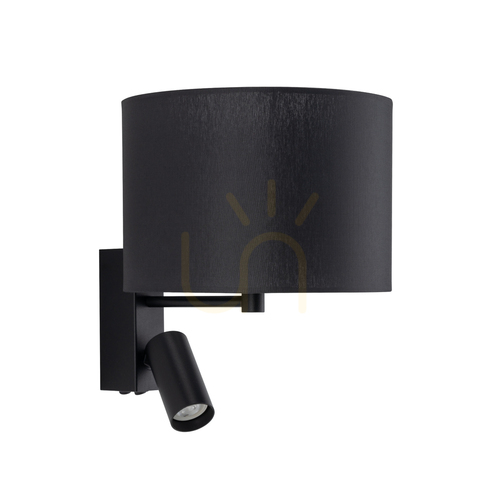
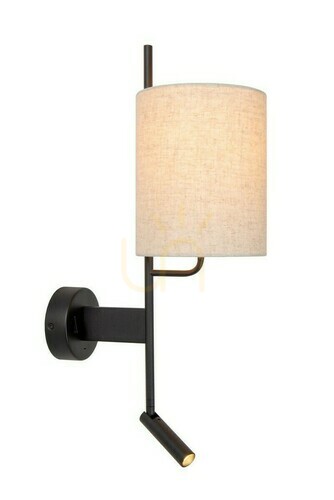
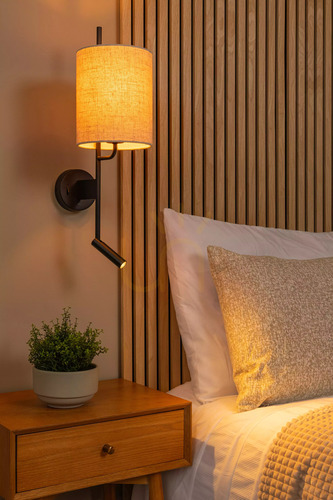
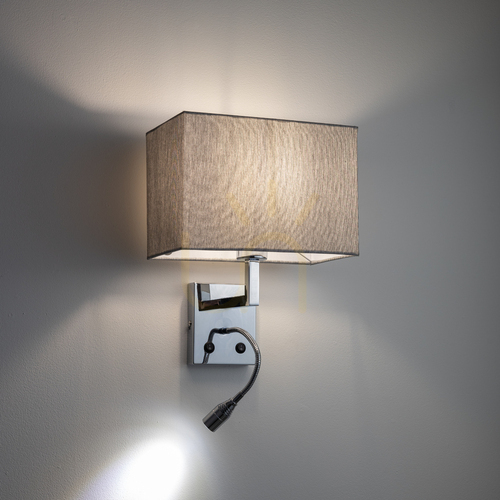
Dual light – a shaded main light for the room plus a small LED reading arm on its own switch, so one person can read while the other sleeps.
Some designs add a USB port or a small shelf for glasses and a phone, which is worth having if there is no bedside table.
Light that suits reading
| Feature |
Typical value |
Why it matters |
| Colour temperature |
2700–3000 K (warm white) |
Easy on the eyes late at night; 4000 K and above keeps you more alert |
| Light output |
about 250–450 lm |
Plenty when focused; more just bounces off white paper |
| Colour rendering |
CRI 80+, CRI 90 for illustrated books |
Truer colours, less eye strain |
| Beam angle |
roughly 25–40° |
A narrow beam keeps light off the other side of the bed |
| Switch |
on the body, inline or pull cord |
You should reach it lying down |
| Light source |
integrated LED, or GU10, E14, G9 |
A replaceable GU10 lets you pick a narrower reflector |
A dimmer on the fitting is worth more than it sounds. Turn it down as your eyes tire and it becomes a soft glow for the last few pages.
Where to fix it
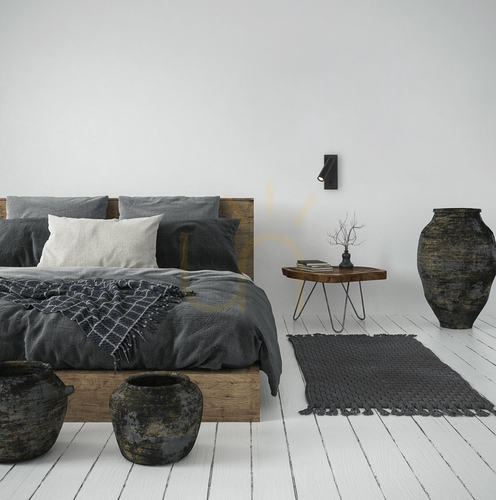
Over a bed, a good starting point is the light source about 50–70 cm above the mattress – roughly 100–130 cm from the floor on a standard-height bed, a little more on a divan or box-spring – and roughly 20 cm out from the edge of the headboard, so your head does not shade the page. With a double bed, fit a matching pair at the same height, each on its own switch. Beside an armchair, place the light to the side and slightly behind your shoulder at about 120–140 cm. Directly behind you, your head casts a shadow; in front, it shines in your eyes.
Before drilling, sit or lie where you read, hold a book and have someone hold the light against the wall in a few positions. Two minutes of this saves filling holes later.
Common mistakes and care
- A bare LED at eye level – choose a deep reflector or shade that hides the source.
- A short arm against a wide upholstered headboard – the light lands on the pillow, not the book.
- Fitting one in a bathroom – most reading lights are IP20 and belong in dry rooms only.
Hinges loosen with use; tightening the tension screw usually sorts it. Wipe the head with a dry or barely damp cloth, with the power off.
FAQ
Can I get a wall reading light with a plug?
Yes. Plug-in models are fixed to the wall like any light but take power from a socket, so they suit rented flats and rooms without a wired point.
Are switched wall lights better for reading?
For reading, yes. A switch on the fitting, on the cable or a pull cord means you can turn it off without leaving bed. Unswitched lights rely on a wall switch elsewhere in the room.
Do wireless or rechargeable reading lights work well?
They are fine for occasional reading and where cables are impossible. For nightly use, a mains light gives steadier brightness and no charging routine.
How high should a reading light be above the bed?
Aim for the light source 50–70 cm above the mattress. An adjustable arm forgives a few centimetres either way; a fixed light does not.
Swing arm or flexible neck?
A swing arm folds away neatly and looks tidier. A flexible neck adjusts more precisely but can look busier on the wall.
Do I need an electrician to fit one?
For a hardwired fitting, yes. A plug-in light only needs screws, wall plugs and a socket nearby.
For wall lighting across the rest of the house, see wall lights. If there is no wiring where you read, plug-in wall lights are the natural next step.