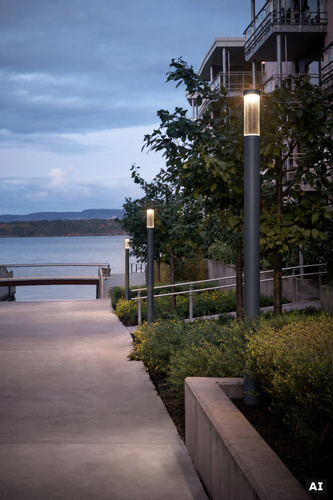
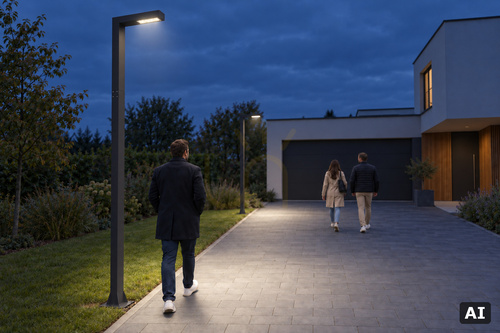
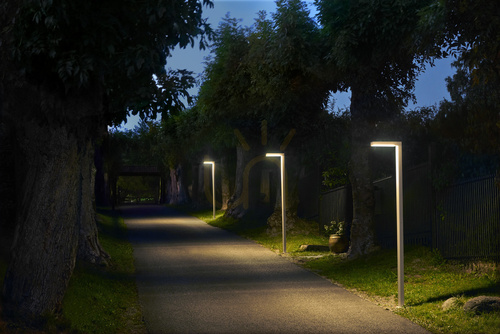
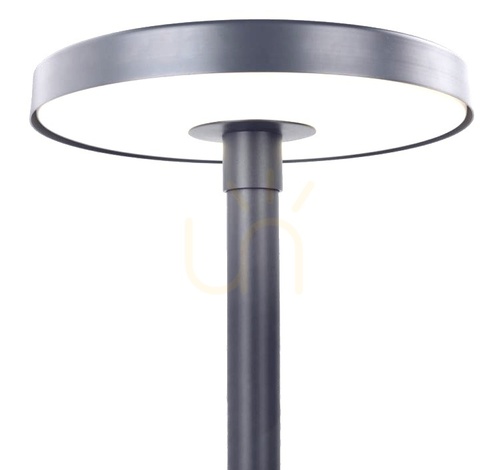
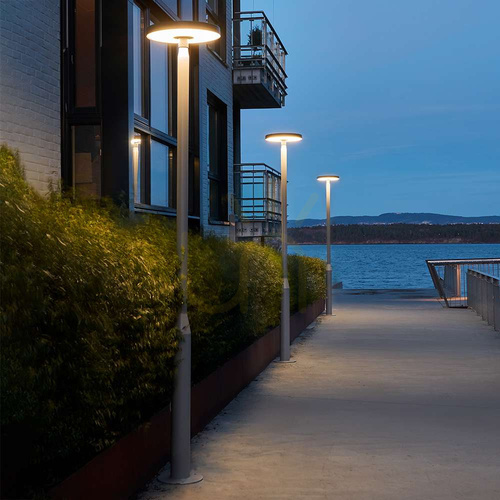
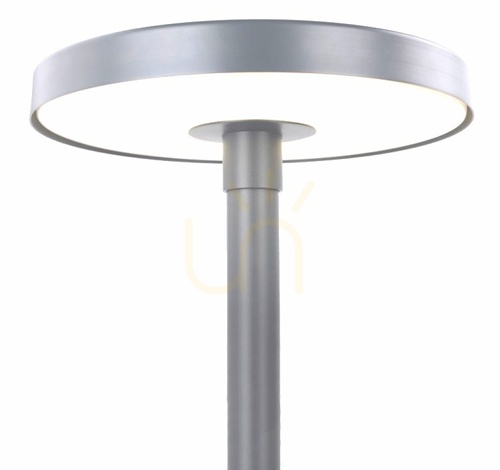
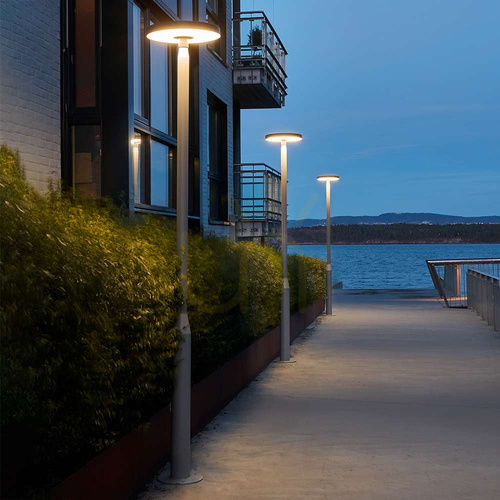
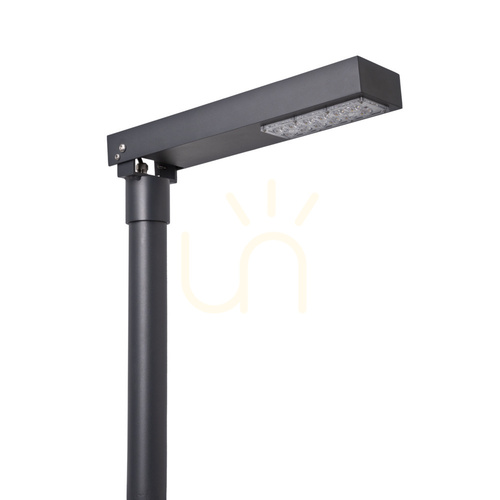
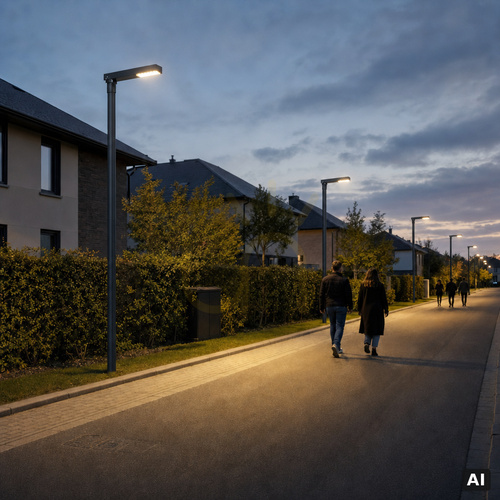
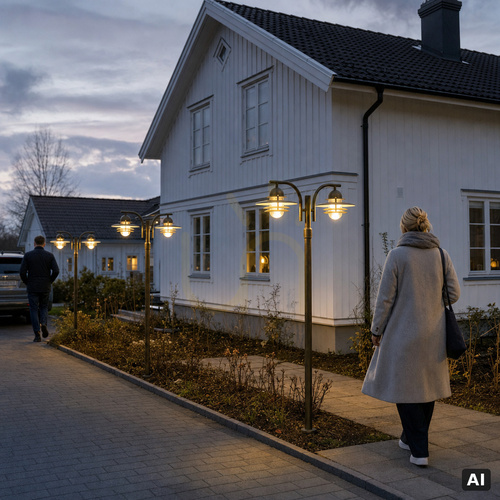
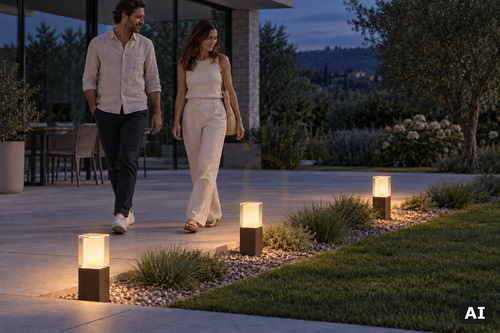
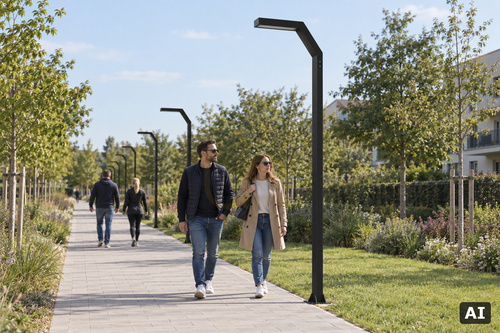
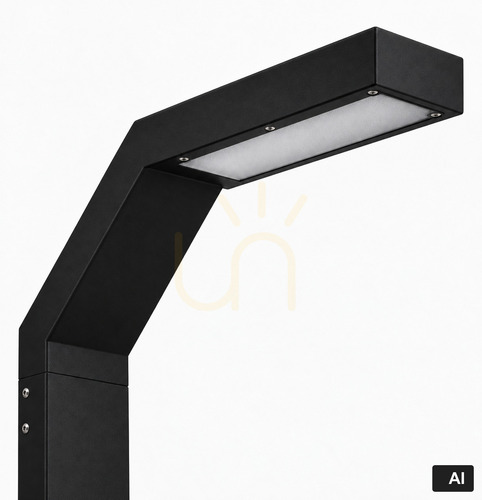
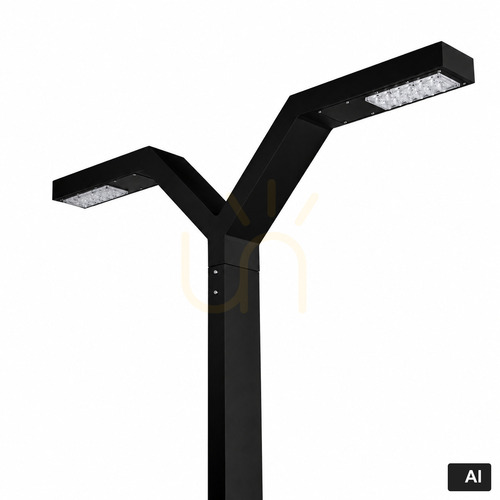
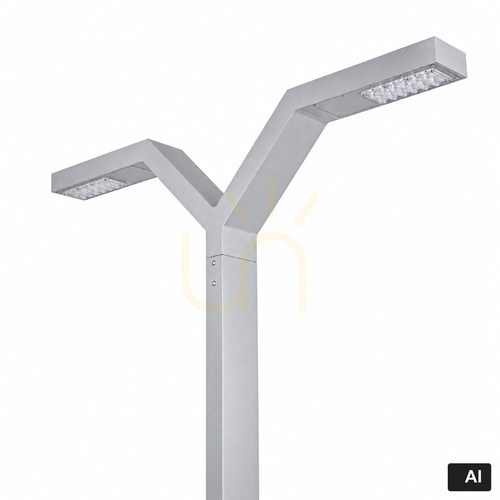
Good driveway lights show you where the edge of the drive is, light the spot where you get out of the car and make the front door easy to find, without glaring at you as you pull in or shining into next door's bedroom. The trick is not to floodlight the whole drive but to mark the route softly and put stronger light only where something happens: the gate, the garage, the step up to the house.
A driveway is harder on a light fitting than a garden border. Tyres throw up water and grit, winter brings road salt and snow shovels, and anything set into the surface may end up under a wheel. So strength, sealing and position matter as much as looks.
Start with the surface you have
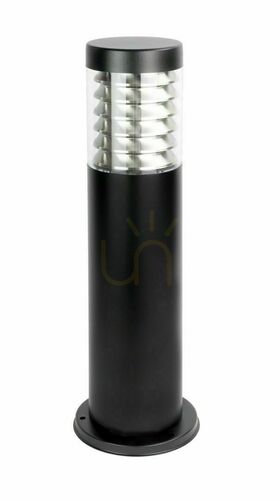
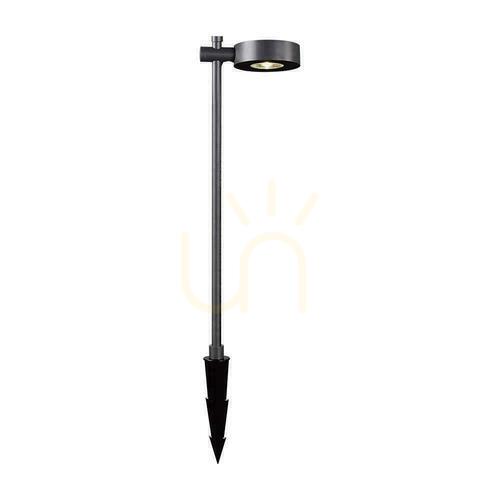
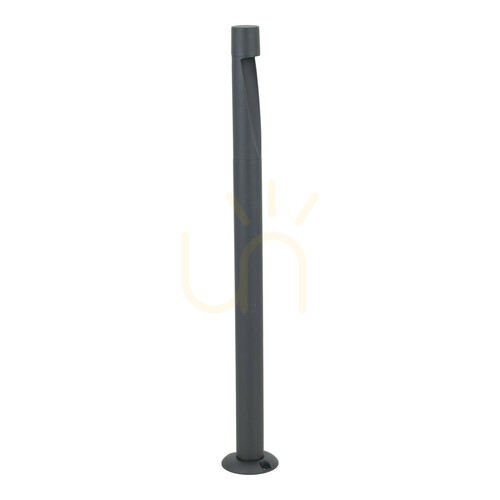
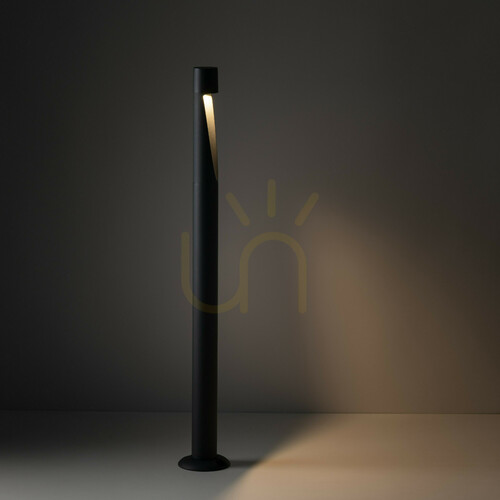
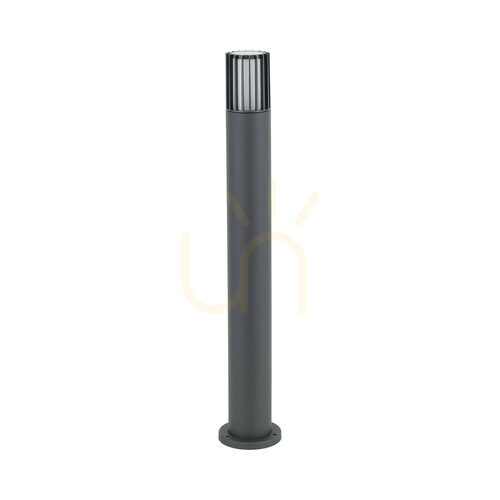
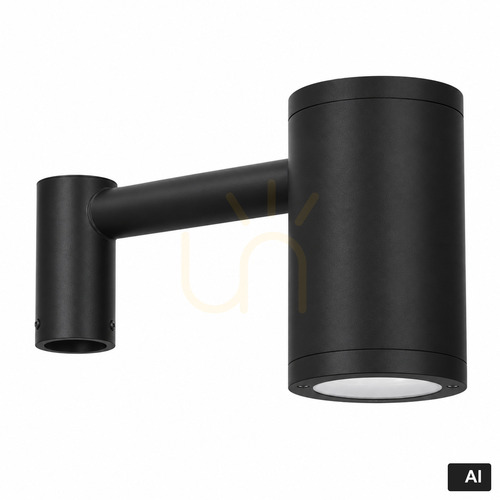
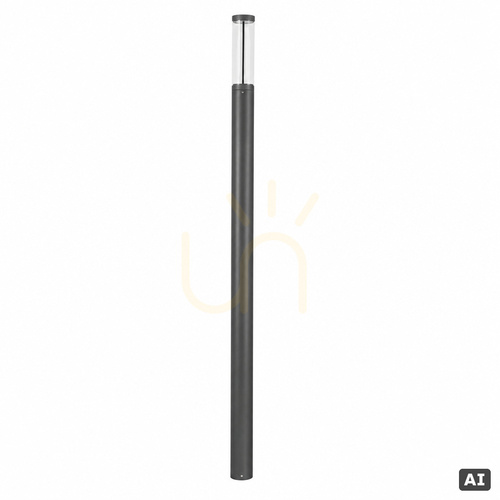
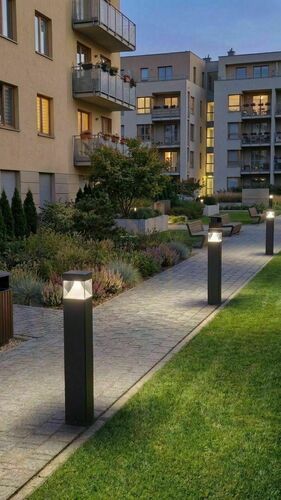
The drive itself often decides the fitting. On block paving and resin-bound drives, recessed ground lights can sit flush with the surface, but they are far easier to fit while the drive is being laid than afterwards. On gravel, recessed lights tend to get buried, so low bollards or lights set into the kerb or edging work better. Tarmac and concrete are hard to cut neatly, which usually points to bollards along the side and wall lights on the house or garage.
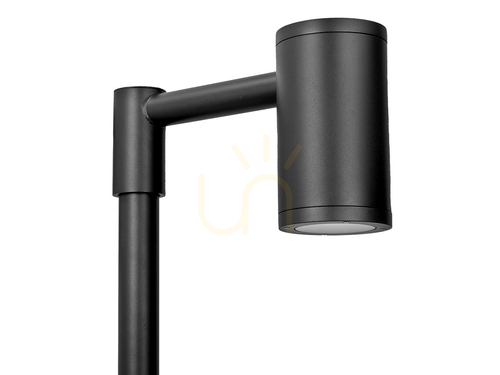
Brick or stone gate piers are the other classic spot. Pillar lights on top of the piers frame the entrance and help visitors and delivery drivers find the right house.
Choosing fittings: typical values
| Fitting |
Where it goes |
Typical spacing |
Typical output |
Minimum IP |
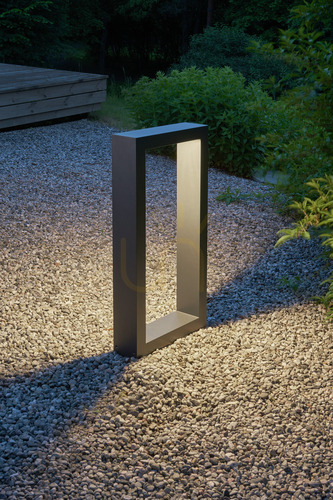
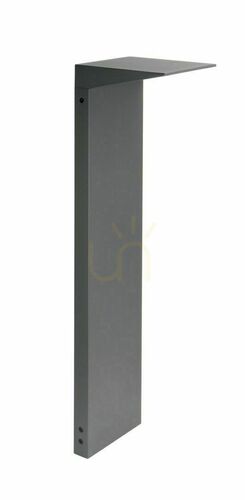
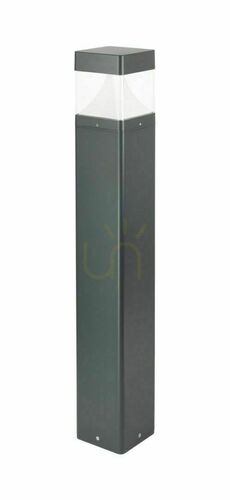
| Bollard |
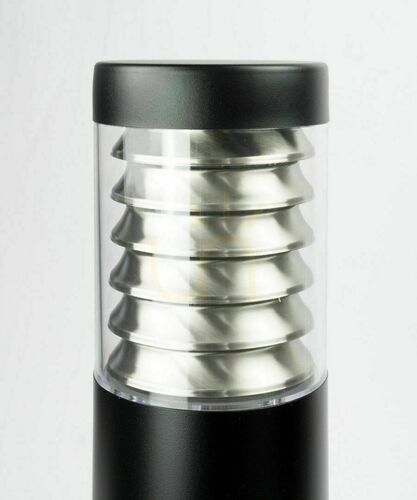
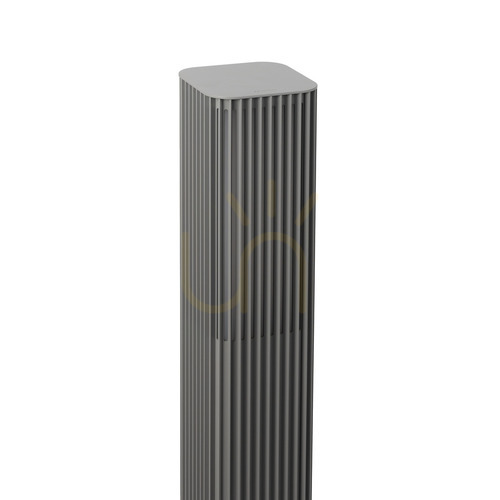
along one edge, 50–100 cm tall |
every 2.5–4 m |
150–500 lm |
IP65 |
| Drive-over ground light |
flush in paving or kerb |
every 1.5–3 m |
50–300 lm |
IP67 |
| Wall light by the garage |
1.8–2.2 m up the wall |
one or two per door |
400–1000 lm |
IP44 under a canopy, IP65 if exposed |
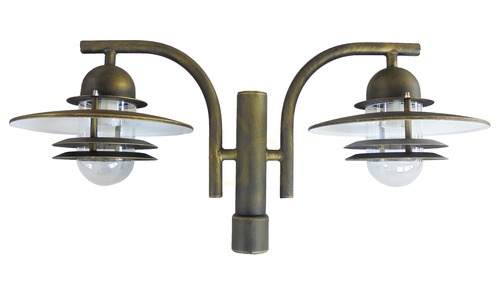
| Pillar light |
on top of gate piers |
one per pier |
200–600 lm |
IP44–IP65 |
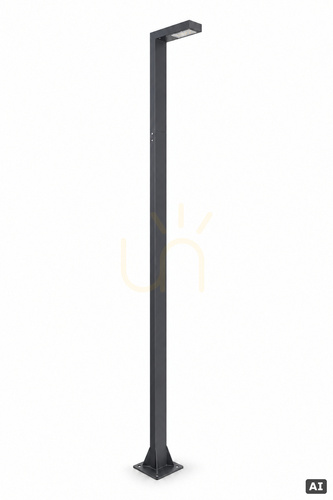
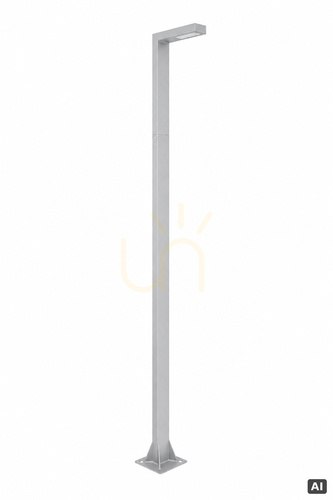
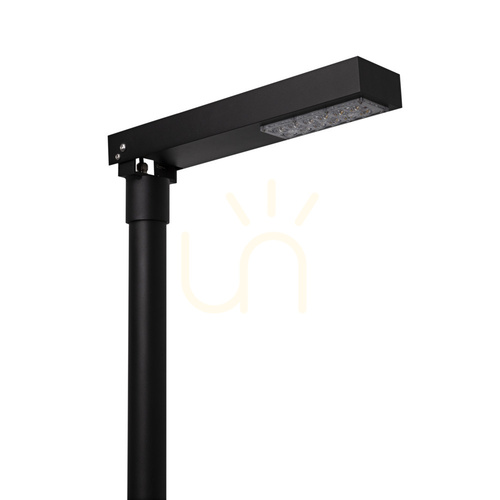
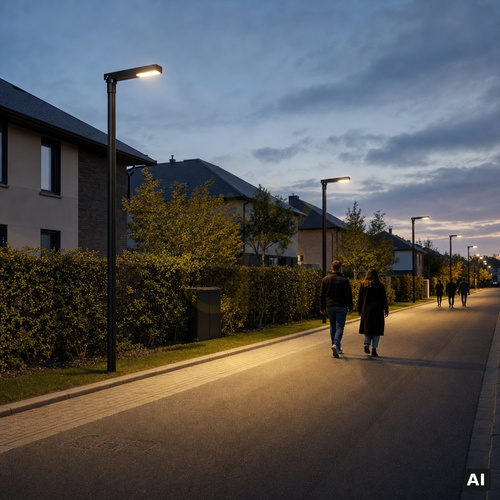
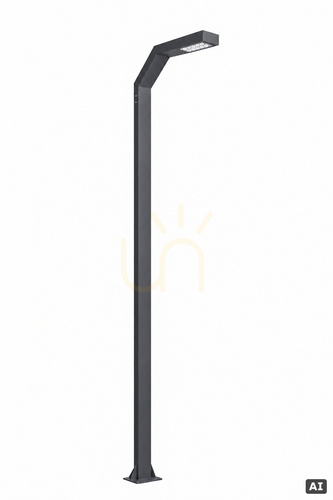
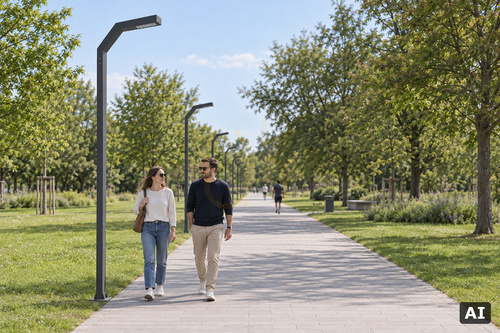
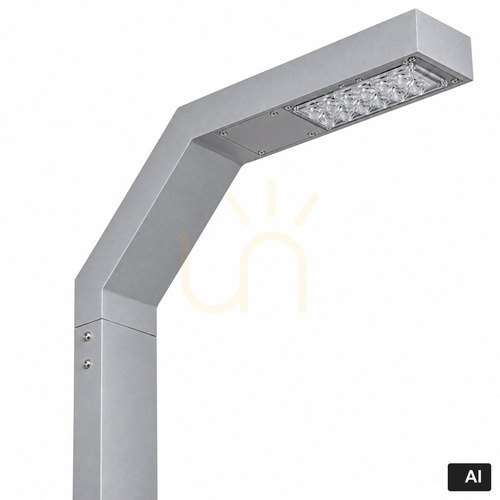
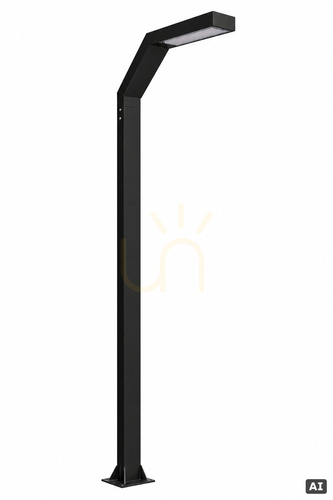
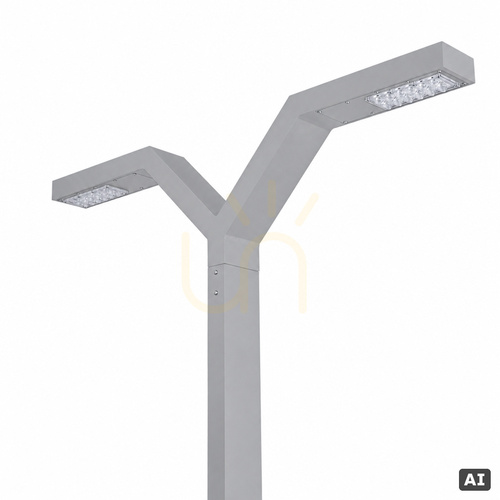
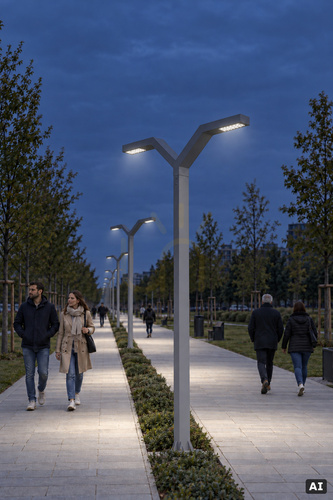
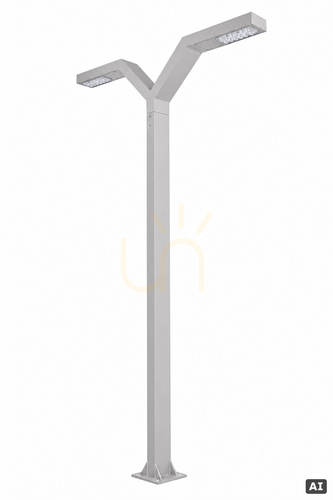
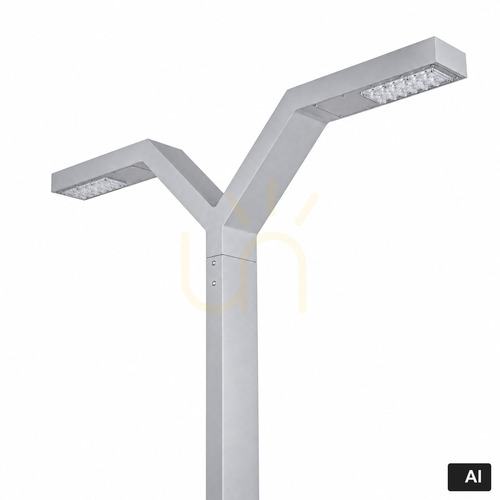
| Lamp post |
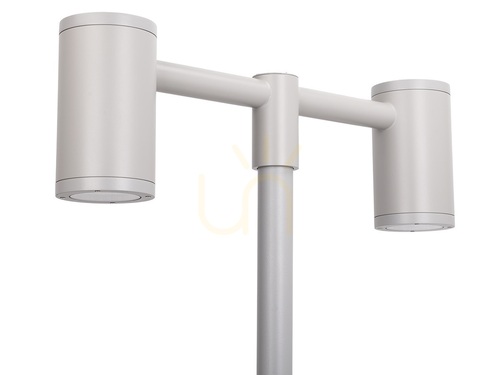
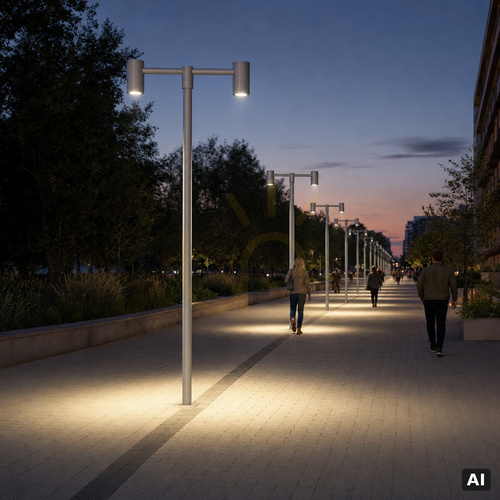
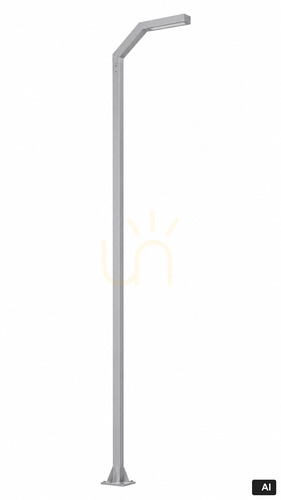
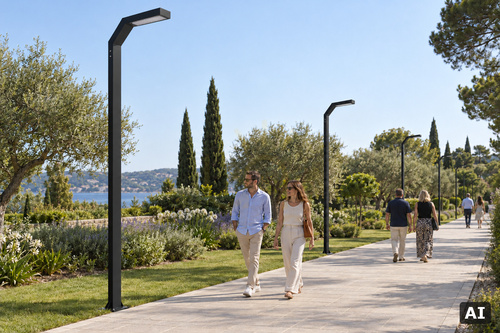
2–3.5 m, long or wide drives |
every 8–12 m |
800–2000 lm |
IP65 |
Warm white at 2700–3000 K suits most homes and planting. By the garage door, 3000–4000 K shows obstacles and colours a little more clearly. Keep one colour temperature along a single run, as mixed tones look patchy at night.
Drive-over or walk-over?
This is the most common mistake with in-ground lights. Walk-over lights for patios and paths are built for foot traffic, not a car. For a driveway, choose fittings the manufacturer describes as drive-over and gives a static load rating for, along with an impact rating (IK08–IK10 is typical) and toughened glass. Set them on a free-draining gravel bed so water doesn't sit around the housing, and stagger them slightly on each side if you light both edges, so the drive doesn't look like a runway.
Power, sensors and the rules
Most driveway lighting runs on 230 V mains. Outdoor cable is usually steel-wire armoured, buried well clear of digging (often around 450–600 mm, deeper under the drive itself) with warning tape above, and the circuit should have 30 mA RCD protection under BS 7671. Adding a new outdoor circuit is notifiable work under Part P in England, so use a registered electrician. Low-voltage 12 V or 24 V systems need a transformer or driver, which can sit dry in the garage.
For control, a dusk-to-dawn photocell or timer handles the low background light along the drive, and a PIR sensor by the garage or front door brings up the brighter light only when someone arrives. Aim the PIR so passers-by on the pavement don't trigger it.
Lighting a private drive normally falls under permitted development, but listed buildings and conservation areas are an exception worth checking with your local planning authority. Light spilling onto the road or into neighbouring windows can also become a nuisance complaint, so keep beams pointed down.
Looking after them
Every couple of months, wipe sand, leaves and tyre grime off ground-light lenses, which lose a surprising amount of light when dirty. Check seals and cable glands after winter, and set bollards back from the edge so they survive snow clearing and reversing cars. Stainless steel or powder-coated aluminium shrugs off road salt better than thin painted steel.
Frequently asked questions
What are some good lights for outside a garage?
A wall light on each side of the door, or one above it, with downward light and around 400–1000 lm. A built-in PIR keeps it off until you pull up.
What is the rule of thumb for outdoor lighting?
Light the route, not the sky. Use several soft points rather than one bright floodlight, keep beams below eye level and add brighter light only at steps, doors and gates.
What are the best solar lights for a long driveway?
Solar markers with a decent battery and panel are fine for outlining a long drive in summer. On short, dull winter days they charge little and fade early, so mains or low-voltage lighting is more dependable near the house.
Are driveway lights with a sensor worth it?
By the garage and gate, yes. Along the drive, a steady low light from a dusk sensor is more pleasant than bollards that flick on for every fox.
Can you drive over ground lights?
Only fittings rated as drive-over, with a stated load rating. Standard walk-over uplighters can crack under a wheel.
How far apart should driveway lights be?
Bollards usually sit 2.5–4 m apart and recessed lights 1.5–3 m, depending on the beam. One side of the drive is often enough.
For lights that come on only when someone approaches, see outdoor lights with a motion sensor. For paths, patios and the rest of the garden: outdoor lights.